Introduction:
The automotive industry is undergoing a profound transformation, with Artificial Intelligence (AI) emerging as a driving force behind innovation and efficiency. From autonomous vehicles to smart manufacturing processes, AI technologies are reshaping the landscape of the automotive sector. This article delves into the myriad benefits that AI brings to the industry, revolutionizing the way vehicles are designed, manufactured, and operated.
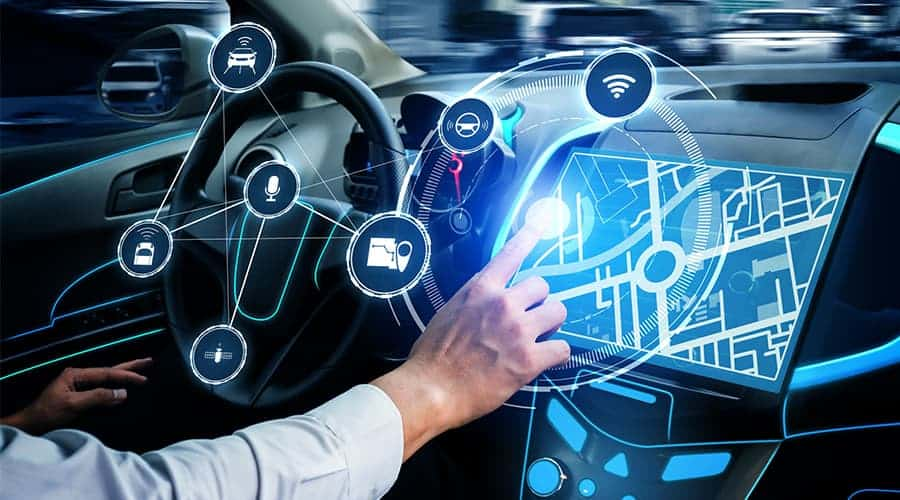
- Autonomous Driving:
One of the most notable applications of AI in the automotive industry is the development of autonomous vehicles. AI algorithms, including machine learning and computer vision, enable vehicles to perceive their surroundings, make real-time decisions, and navigate safely. The benefits of autonomous driving extend beyond convenience, offering enhanced safety, reduced traffic congestion, and increased accessibility for individuals with mobility challenges.
- Enhanced Safety Features:
AI contributes significantly to the improvement of safety features in modern vehicles. Advanced driver-assistance systems (ADAS) leverage AI to analyze data from sensors and cameras, providing features such as lane-keeping assistance, adaptive cruise control, and automatic emergency braking. These AI-powered safety features not only reduce the likelihood of accidents but also enhance overall road safety, making driving a more secure experience for both drivers and pedestrians.
- Predictive Maintenance:
AI-driven predictive maintenance is transforming the way automotive manufacturers and service providers approach vehicle upkeep. By analyzing data from sensors and monitoring the performance of various components, AI algorithms can predict when parts are likely to fail. This allows for proactive maintenance, reducing downtime and preventing unexpected breakdowns. Predictive maintenance not only enhances vehicle reliability but also lowers operational costs for both consumers and fleet operators.
- Smart Manufacturing:
AI in automotive manufacturing streamlines and optimizes production efficiency. Robotic systems equipped with AI algorithms can handle complex tasks, such as assembly and welding, with precision and speed. AI-driven quality control systems identify defects in real-time, ensuring that only high-quality components make their way into the final product. Smart manufacturing powered by AI results in increased production throughput, reduced errors, and enhanced overall efficiency on the assembly line.
- Customized User Experiences:
AI is revolutionizing the way users interact with their vehicles, providing personalized and intuitive experiences. Natural Language Processing (NLP) allows for voice-activated controls, enabling drivers to operate various functions without taking their hands off the wheel. AI algorithms analyze user preferences, learning from behavior patterns to customize in-vehicle settings, such as climate control, entertainment, and navigation. This level of personalization enhances user satisfaction and creates a more enjoyable driving experience.
- Fuel Efficiency and Emissions Reduction:
AI contributes to improving fuel efficiency and reducing emissions in traditional and electric vehicles alike. Machine learning algorithms optimize engine performance, predicting the most efficient operating conditions based on driving patterns and environmental factors. In electric vehicles, AI manages battery usage, optimizing energy consumption and extending battery life. By fine-tuning these parameters, AI helps reduce the environmental impact of transportation, contributing to sustainability efforts within the automotive industry.
- Supply Chain Optimization:
AI is playing a pivotal role in optimizing the automotive supply chain. Predictive analytics and machine learning algorithms analyze data related to demand, inventory levels, and production schedules. This enables manufacturers to make data-driven decisions, minimizing stockouts, reducing excess inventory, and streamlining logistics. A well-optimized supply chain not only lowers costs but also enhances overall agility, allowing manufacturers to respond more effectively to market fluctuations.
- Cybersecurity:
As vehicles become more connected and reliant on digital technologies, the need for robust cybersecurity measures becomes paramount. AI is employed to detect and prevent cyber threats, safeguarding vehicle systems from unauthorized access and potential attacks. Advanced AI algorithms continuously monitor in-vehicle networks, identifying anomalies and potential security breaches. This proactive approach ensures the integrity and safety of the increasingly interconnected automotive ecosystem.
Conclusion:
The integration of AI into the automotive industry is propelling the sector into a new era of innovation and efficiency. From autonomous driving to smart manufacturing and personalized user experiences, the benefits of AI are diverse and impactful. As automotive manufacturers continue to embrace and invest in AI technologies, we can anticipate further advancements that will shape the future of transportation. The automotive industry’s journey towards a safer, more efficient, and sustainable future is accelerated by the transformative power of Artificial Intelligence, ensuring that the vehicles of tomorrow are not just modes of transportation but intelligent, connected, and adaptive companions on the road.


Leave a Reply