The manufacturing sector is evolving rapidly, fueled by technological breakthroughs. Among these advancements, generative AI has emerged as a transformative force, offering manufacturers the ability to innovate designs, optimize operations, and enhance productivity. This cutting-edge technology is reshaping how products are developed and how production lines operate, heralding a new era of efficiency and creativity.
What is Generative AI?
Generative AI is a specialized form of artificial intelligence that creates new data, designs, or simulations by learning from existing patterns. Unlike traditional AI, which focuses on analyzing data, generative AI produces novel solutions tailored to specific challenges. In manufacturing, this capability is applied to streamline processes, improve designs, and drive innovation.
Redefining Product Design with Generative AI in Manufacturing
Generative AI in manufacturing is transforming product design by enabling manufacturers to create optimized solutions quickly. By inputting design criteria such as material constraints, structural requirements, and weight limits, this technology generates multiple design options in a fraction of the time required by traditional methods.
For instance, industries like automotive and aerospace benefit from lightweight yet durable components designed by generative AI. These AI-driven innovations often surpass traditional designs in terms of functionality and cost-efficiency, enabling faster production cycles and quicker market launches.
Improving Manufacturing Processes
Generative AI extends its impact beyond design, playing a vital role in refining manufacturing processes. It analyzes vast amounts of production data to identify inefficiencies, suggest improvements, and predict potential disruptions.
In assembly line operations, for example, generative AI can simulate various configurations to identify the most effective workflow. By minimizing resource usage and maximizing output, manufacturers can significantly enhance productivity and reduce operational costs.
Enhancing Supply Chain Management
Generative AI is also revolutionizing supply chain operations. It can accurately forecast demand, optimize inventory levels, and provide real-time insights into potential disruptions.
During supply chain disruptions, generative AI helps manufacturers adapt quickly by identifying alternative suppliers or adjusting production plans. This responsiveness ensures continuity and minimizes the impact of unforeseen challenges.
Predictive Maintenance with Generative AI
Keeping equipment in optimal condition is essential for smooth operations. Generative AI excels in predictive maintenance by analyzing sensor data and historical trends to forecast equipment failures before they occur.
This proactive approach allows manufacturers to schedule maintenance efficiently, reducing unplanned downtime and extending the lifespan of machinery. As a result, facilities operate more reliably and cost-effectively.
Driving Sustainability with Generative AI
Sustainability is increasingly critical in manufacturing, and generative AI supports eco-friendly initiatives by optimizing resource usage and minimizing waste.
Generative AI can design products with reduced material waste, choose energy-efficient production methods, and simulate the environmental impact of manufacturing decisions. By integrating sustainability into operations, manufacturers can achieve their environmental goals while maintaining high-quality standards.
Challenges of Implementing Generative AI
Despite its benefits, implementing generative AI in manufacturing requires careful planning. The technology demands significant investments in hardware, software, and skilled personnel capable of interpreting AI-driven insights.
Integration with existing systems must be seamless to avoid disruptions, and data security measures must be robust to protect sensitive manufacturing information. Addressing these challenges is crucial for successful adoption.
The Future of Generative AI in Manufacturing
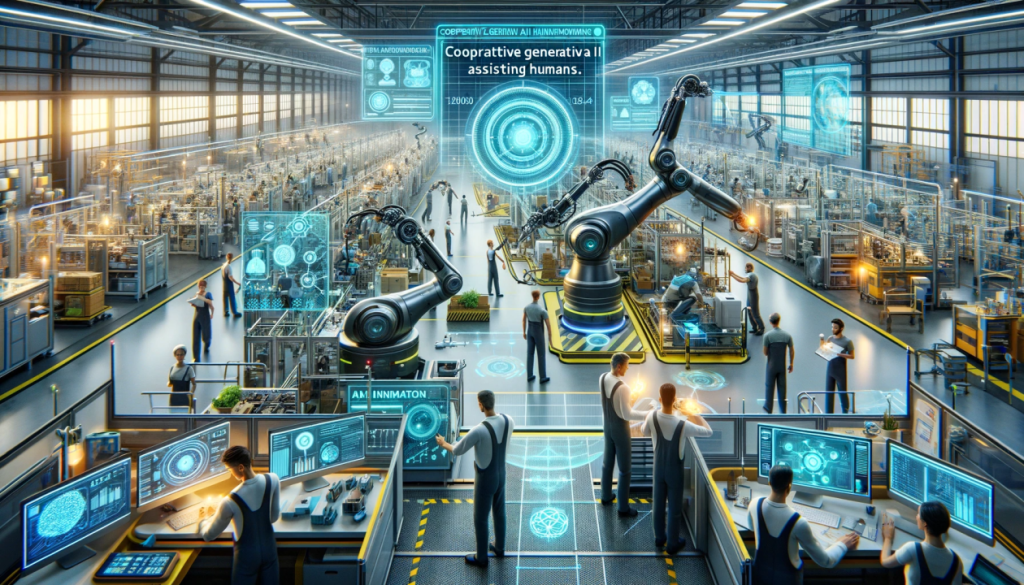
Generative AI is poised to play an even greater role in manufacturing as its capabilities continue to expand. Future advancements may include deeper integration with IoT and 5G technologies, enabling smarter factories and more collaborative workflows between humans and AI systems.
By adopting generative AI now, manufacturers position themselves to lead in a future driven by innovation, efficiency, and adaptability.
Conclusion
Generative AI is reshaping the manufacturing landscape, offering groundbreaking solutions for design, process optimization, and sustainability. While challenges exist, the potential rewards make this technology indispensable for forward-thinking manufacturers.
By embracing generative AI, businesses can streamline operations, reduce costs, and achieve new levels of innovation. This transformative technology is shaping the future of manufacturing, where efficiency and creativity converge to define success.
 Tech blog
Leave a comment