Introduction
The integration of AI agents in IT operations has emerged as a transformative force, revolutionizing how businesses manage and optimize their IT infrastructures. As organizations increasingly rely on digital solutions, the ability to leverage artificial intelligence (AI) for operational efficiency, system monitoring, and problem resolution has never been more critical. This article explores the role of AI agents in IT operations, how they work, and the advantages they offer to businesses.
What are AI Agents in IT Operations?
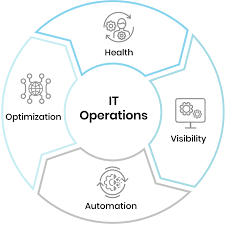
At its core, AI agents in IT operations are autonomous systems powered by artificial intelligence and machine learning algorithms designed to perform tasks that traditionally required human intervention. These tasks include monitoring system performance, detecting anomalies, automating routine processes, and resolving issues without human oversight. AI agents operate within an IT environment, analyzing data, predicting potential problems, and providing real-time insights into system health.
Unlike traditional IT management tools, AI agents possess the ability to learn from historical data and adapt to changing environments. This self-learning capability makes them highly effective in managing complex IT ecosystems where rapid decision-making is necessary for optimal performance.
The Benefits of AI Agents in IT Operations
- Automation of Routine Tasks
One of the most significant advantages of AI agents in IT operations is the automation of routine tasks. Tasks such as system updates, software patches, backups, and monitoring of network traffic can be tedious and time-consuming for IT teams. AI agents can handle these operations efficiently, freeing up human resources for more complex problem-solving. By automating mundane tasks, businesses can improve productivity, reduce errors, and ensure that systems remain up-to-date without manual intervention.
- Proactive Issue Detection and Resolution
AI agents excel in their ability to predict and detect issues before they cause significant disruptions. By analyzing large volumes of data in real-time, AI agents can identify anomalies and potential problems, such as server overloads, network failures, or security breaches. When an issue is detected, AI agents can take corrective actions automatically, such as reallocating resources, triggering alerts, or even restarting a failed service. This proactive approach minimizes downtime and ensures the smooth operation of IT systems.
- Improved Decision-Making
The vast amount of data generated by IT operations can be overwhelming for human teams to analyze effectively. AI agents can process and analyze data at a scale and speed that would be impossible for humans. By utilizing machine learning algorithms, AI agents can provide insights and recommendations based on patterns in historical data, helping IT teams make more informed decisions. This data-driven approach leads to more accurate forecasting, better resource allocation, and improved overall system performance.
- Scalability and Flexibility
As businesses grow and their IT infrastructures become more complex, maintaining efficiency becomes a challenge. AI agents in IT operations are highly scalable, meaning they can handle the increased load as a company expands. Whether it’s adding new servers, integrating cloud services, or expanding network capabilities, AI agents can adapt to these changes seamlessly. Their ability to scale ensures that IT operations remain smooth and efficient, regardless of how large or intricate the system becomes.
AI Agents in IT Operations and Security
In addition to performance optimization, AI agents in IT operations play a critical role in strengthening security. They are capable of identifying security vulnerabilities and threats in real-time by analyzing network traffic, system logs, and other security-related data. AI-powered agents can detect unusual activity that may indicate a security breach, such as unauthorized access attempts or malware infections. Once detected, AI agents can either respond autonomously to contain the threat or alert human security teams for further investigation.
Moreover, AI agents can continuously learn from past security incidents to improve their threat detection and response capabilities, making them an invaluable tool in the ongoing battle against cyber threats.
Challenges and Considerations in Implementing AI Agents
While the benefits of AI agents in IT operations are substantial, there are challenges to consider when integrating AI into existing IT environments.
- Data Privacy and Security: AI agents rely heavily on data, which can raise concerns about the privacy and security of sensitive information. Ensuring that AI agents adhere to strict data privacy policies and are protected against unauthorized access is paramount.
- Complexity of Integration: Integrating AI agents into an existing IT infrastructure can be complex, especially in organizations with legacy systems. The process may require significant time, effort, and expertise to ensure that AI agents are compatible with the organization’s current tools and workflows.
- Dependence on High-Quality Data: AI agents depend on high-quality data to function effectively. Inaccurate or incomplete data can lead to incorrect decisions or predictions. Organizations must ensure that their data is clean, structured, and reliable before deploying AI agents.
- Human Oversight: While AI agents can operate autonomously, human oversight remains crucial to ensure that the AI systems are functioning as expected. Regular monitoring and maintenance of AI agents are necessary to prevent any potential issues that may arise due to unforeseen circumstances.
The Future of AI Agents in IT Operations
The role of AI agents in IT operations is expected to continue growing as AI and machine learning technologies evolve. With advancements in natural language processing, AI agents will become even more capable of understanding and interacting with human teams, making them more effective in resolving complex issues.
In the near future, we can expect AI agents to play an even more central role in automating not just routine tasks, but also higher-level decision-making processes. With continuous learning and evolving capabilities, AI agents will enable IT operations to become more agile, responsive, and efficient.
Conclusion
The integration of AI agents in IT operations offers significant benefits to organizations, including improved automation, proactive issue detection, and enhanced decision-making. By leveraging the power of AI, businesses can streamline their IT processes, reduce operational costs, and increase overall system reliability. While there are challenges in implementing AI-driven solutions, the future of AI agents in IT operations is promising, with the potential to transform the way businesses manage and optimize their IT environments.
 Tech blog
Leave a comment