Introduction: The Growing Role of AI in Compliance
As businesses face an ever-increasing number of regulations, compliance has become one of the most crucial areas for organizations to address. With the complexities of local, national, and international laws, staying compliant is no small feat. This is where AI agents in compliance are making a significant impact. By automating and streamlining compliance processes, these intelligent systems help companies navigate the regulatory maze with ease, reducing human error and increasing efficiency.
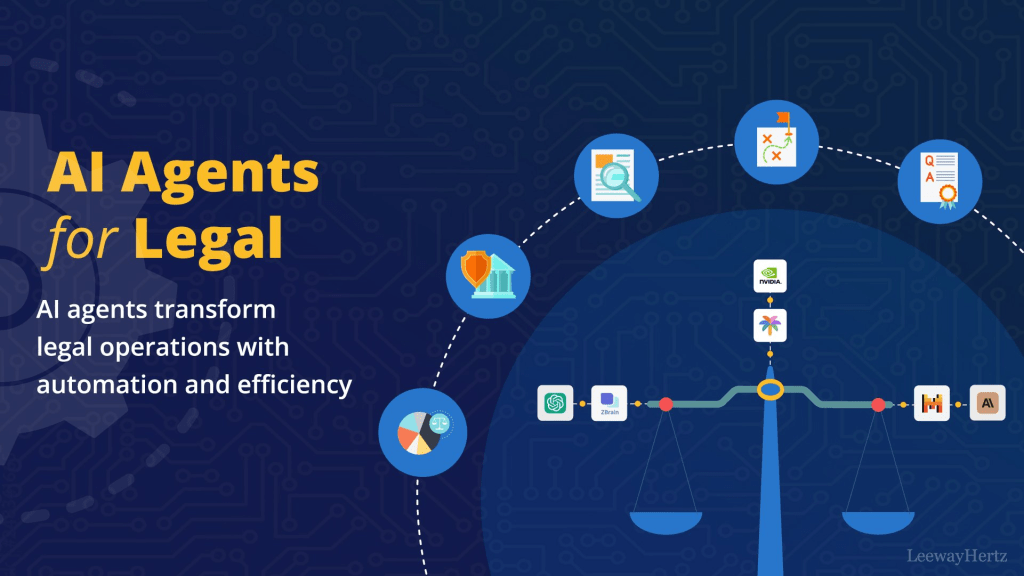
Understanding AI Agents in Compliance
AI agents in compliance are software systems powered by artificial intelligence (AI) and machine learning (ML) algorithms. These agents are designed to monitor, analyze, and enforce regulatory compliance by automating tasks such as reporting, risk assessment, and transaction monitoring. Unlike traditional compliance methods, which often rely heavily on manual processes and human oversight, AI agents in compliance can quickly process vast amounts of data to identify potential issues, helping organizations stay ahead of regulatory changes and potential risks.
AI-powered compliance agents are capable of learning from historical data and patterns, which allows them to continuously improve and adapt to new regulations and compliance challenges. As a result, AI agents in compliance can be both proactive and reactive, ensuring that businesses remain compliant in real-time.
Key Benefits of AI Agents in Compliance
- Increased Efficiency
One of the most significant advantages of using AI agents in compliance is the increased efficiency they offer. Manual compliance processes can be time-consuming and prone to human error. By automating routine tasks such as data collection, reporting, and document verification, AI agents significantly reduce the workload on human teams. This allows compliance professionals to focus on more strategic tasks, improving overall productivity.
AI agents also process large volumes of data much faster than humans, providing real-time insights that are crucial in identifying potential risks and non-compliance issues early on. This can save companies valuable time and resources, which could otherwise be spent dealing with compliance violations or fines.
- Improved Accuracy and Consistency
With AI agents in compliance, the chances of human error are greatly reduced. These systems can process complex regulatory requirements and ensure that all necessary steps are taken to comply with them. Whether it’s ensuring that financial transactions meet anti-money laundering (AML) standards or verifying that products meet safety regulations, AI agents can provide a level of accuracy and consistency that is difficult to achieve with manual compliance methods.
Additionally, AI agents can adapt to changing regulations more quickly than human compliance officers. They can instantly update themselves to reflect the latest regulatory changes, ensuring that businesses stay compliant without the need for constant manual intervention.
- Cost Savings
While the initial investment in AI agents in compliance may seem significant, the long-term cost savings are substantial. By reducing the need for manual labor and minimizing the risk of compliance failures, companies can save on penalties, fines, and legal fees. Moreover, these systems can help optimize resource allocation by automating repetitive tasks and streamlining compliance workflows.
The ability to detect compliance risks early also helps organizations avoid costly corrective actions that may be required when non-compliance is discovered. In this sense, AI agents provide a valuable return on investment by preventing expensive issues before they arise.
- Proactive Risk Management
Another notable benefit of AI agents in compliance is their ability to proactively identify potential risks. By continuously analyzing data from various sources, these systems can detect irregularities and anomalies that could indicate compliance breaches. This enables companies to take immediate corrective actions and prevent serious issues before they escalate.
For example, in the financial sector, AI agents can flag unusual transaction patterns that could indicate money laundering or fraud. In other industries, these agents can monitor operational processes to ensure that businesses are complying with health and safety regulations or environmental standards.
The Future of AI Agents in Compliance
As AI technology continues to advance, the role of AI agents in compliance is only expected to grow. Future developments may include even more sophisticated systems capable of handling increasingly complex regulatory environments. For instance, AI agents may be able to interpret legal language more effectively, enabling them to autonomously draft compliance reports, handle audits, and even engage with regulators directly.
Additionally, the integration of AI with other technologies, such as blockchain, could further enhance the ability of compliance agents to track and verify transactions in real-time. The combination of AI and blockchain may provide a level of transparency and security that is essential for maintaining trust in the regulatory process.
Challenges in Implementing AI Agents in Compliance
Despite their numerous benefits, there are challenges that organizations must consider when implementing AI agents in compliance. One of the primary concerns is data privacy. Since AI agents require access to large amounts of sensitive data to function effectively, businesses must ensure that they are adhering to privacy regulations and maintaining data security.
Another challenge is the potential for bias in AI algorithms. If the data used to train AI agents is biased, the agents themselves may perpetuate these biases in their decision-making processes. Companies must ensure that their AI systems are regularly audited and updated to mitigate any potential risks related to algorithmic bias.
Conclusion: Embracing AI Agents in Compliance
In conclusion, AI agents in compliance offer organizations an efficient, accurate, and cost-effective solution to managing the complexities of regulatory compliance. These systems provide significant advantages, including enhanced risk management, improved accuracy, and time savings, while also allowing businesses to stay ahead of evolving regulations.
 Tech blog
Leave a comment