Introduction
In recent years, the use of AI agents in reconciliation has gained significant traction. From reconciling financial records to managing disputes, these intelligent systems are transforming traditional methods, offering solutions that are faster, more accurate, and highly efficient. This article explores how AI agents are enhancing reconciliation processes across various sectors, ensuring smoother, error-free operations.
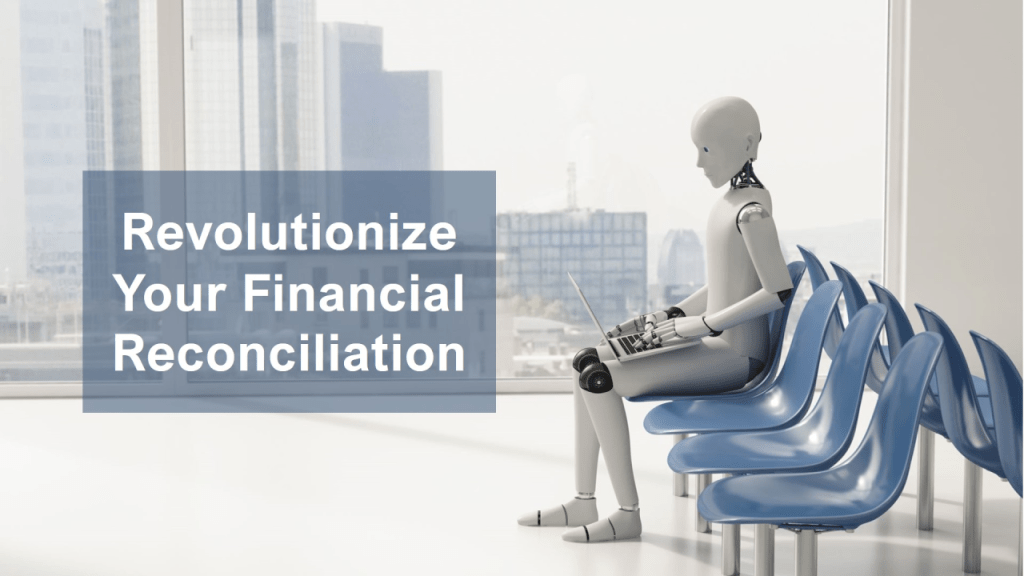
What Are AI Agents in Reconciliation?
AI agents are intelligent software systems designed to perform specific tasks independently. In reconciliation, these agents use artificial intelligence to identify discrepancies, flag errors, and manage data processes, all while reducing human intervention. The reconciliation process, whether for financial records, inventory, or inter-departmental alignment, involves the matching and balancing of two sets of records to ensure consistency. AI agents in reconciliation automate this time-consuming and repetitive task, providing a high degree of accuracy and reliability.
Traditionally, reconciliation required a large amount of manual labor. Professionals needed to check, match, and resolve records one by one, which was prone to human error. However, with AI agents, these challenges are significantly reduced, as they can process vast amounts of data quickly and effectively. This not only ensures a higher level of accuracy but also frees up time for teams to focus on more strategic tasks.
How AI Agents Improve Efficiency in Reconciliation Processes
One of the biggest advantages of using AI agents in reconciliation is efficiency. AI systems can analyze massive data sets at a speed far beyond human capability, which means that reconciliation tasks that used to take hours or even days can now be completed in minutes.
- Error Reduction and Data Accuracy
AI agents use machine learning algorithms to identify discrepancies between datasets, and they are also capable of learning from past data errors to improve accuracy in future reconciliations. By eliminating human error, these systems ensure that the data reconciliation process is as precise as possible. This helps organizations avoid costly mistakes that can arise from manual data entry errors or oversights. - Speeding Up Routine Processes
AI agents in reconciliation automate routine tasks that would normally require multiple steps and manual checks. With the ability to instantly identify mismatched data, these agents can streamline processes, reducing the time spent on reconciliation. This is particularly valuable in sectors like finance and e-commerce, where rapid data processing is crucial to maintain smooth operations. - Predictive Analytics for Proactive Issue Resolution
Advanced AI agents are equipped with predictive analytics capabilities. This enables them to forecast potential discrepancies before they arise, allowing organizations to take preventive measures. For example, in financial reconciliation, AI agents can detect patterns that indicate potential fraud, alerting teams to investigate further before the issue escalates. Predictive analytics make reconciliation more proactive rather than reactive, ultimately enhancing decision-making and strategic planning.
The Role of AI Agents in Different Types of Reconciliation
- Financial Reconciliation
In finance, reconciling accounts, transactions, and statements is crucial for regulatory compliance and financial health. AI agents in reconciliation can handle a large volume of transactions, match data across different systems, and identify mismatches that could indicate potential fraud. The use of AI in financial reconciliation ensures that organizations can maintain accurate records without delays, reducing the risk of penalties or compliance issues. - Inventory Reconciliation
For companies dealing with inventory management, such as those in retail or manufacturing, AI agents assist in tracking inventory levels, reconciling inventory records with physical stock, and identifying inconsistencies. These agents can process real-time data from multiple locations and offer instant updates, making it easier to manage inventory levels accurately. The use of AI agents in inventory reconciliation also aids in minimizing losses due to mismanagement, theft, or stock discrepancies. - Inter-Departmental Reconciliation
Many large organizations need to reconcile data between various departments, especially in cases where departments operate on different systems. AI agents in reconciliation can cross-check data between departments, ensuring that there is consistency across the organization. This alignment fosters better inter-departmental communication and prevents conflicts arising from mismatched data.
The Challenges of Implementing AI Agents in Reconciliation
Although AI agents in reconciliation offer numerous advantages, their implementation is not without challenges. One of the primary concerns is data security. Since AI agents require access to sensitive data, there is a risk of data breaches if adequate cybersecurity measures are not in place. Additionally, implementing AI reconciliation systems may require a substantial initial investment and a level of customization to fit specific organizational needs.
However, as technology continues to advance, more accessible and cost-effective solutions are becoming available. Investing in AI agents in reconciliation ultimately proves beneficial by reducing long-term costs and improving accuracy and efficiency.
Future of AI Agents in Reconciliation
The future of AI agents in reconciliation looks promising, with ongoing advancements in AI technology continually expanding their capabilities. In the coming years, AI agents are expected to play an even more critical role in complex reconciliation processes. They will not only automate data matching but also be capable of handling intricate data analysis tasks. With more sophisticated algorithms, AI agents could further reduce human intervention, making reconciliation processes entirely automated and autonomous.
Another anticipated development is the integration of AI agents with blockchain technology for enhanced security and transparency. Blockchain can add an extra layer of verification to reconciled data, creating immutable records that further reduce the risk of errors or fraud. The combination of AI and blockchain could revolutionize the reconciliation process, setting new standards for accuracy, efficiency, and security.
Conclusion
AI agents in reconciliation are redefining how organizations handle data alignment, error management, and process efficiency. By automating traditionally time-consuming tasks, AI agents provide faster and more accurate results, which is essential in today’s fast-paced data-driven environment. While challenges remain, such as data security and implementation costs, the benefits of AI agents in reconciliation far outweigh these obstacles. As technology evolves, AI agents are poised to become an integral part of reconciliation processes across industries, contributing to smoother operations and more accurate decision-making.
The role of AI agents in reconciliation is indispensable for organizations aiming to maintain data accuracy and operational efficiency. Embracing this technology offers a path toward streamlined processes, proactive error management, and ultimately, a competitive edge in today’s data-centric world.
 Tech blog
Leave a comment