Introduction to Generative AI in Financial Reporting
Generative AI is revolutionizing various industries, and financial reporting is no exception. This technology leverages machine learning algorithms to create content, analyze data, and generate reports, enabling financial professionals to work more efficiently and effectively. In this article, we will explore how generative AI in financial reporting is enhancing the accuracy, speed, and transparency of financial information.
The Rise of Generative AI in Financial Reporting
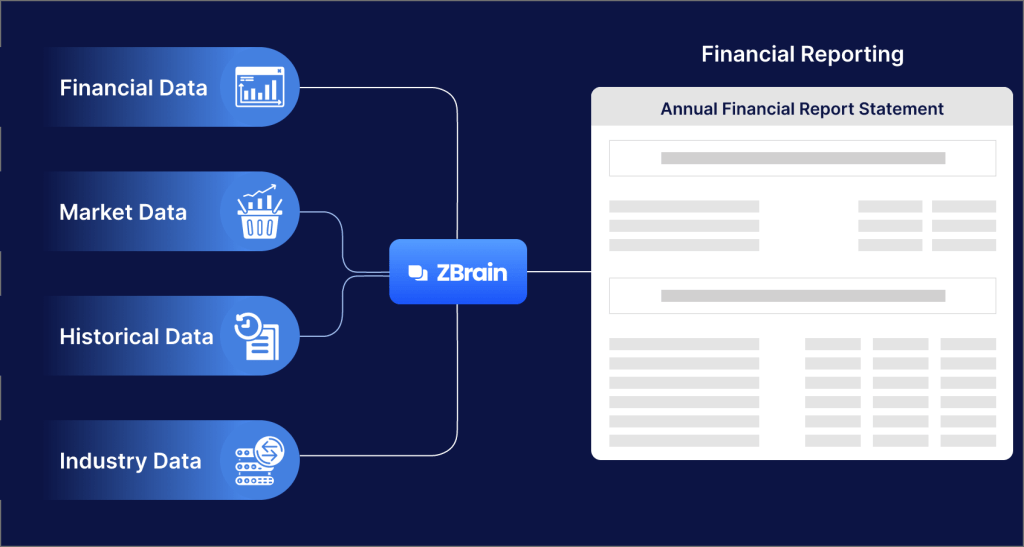
The financial industry has long relied on traditional methods for reporting, which can be labor-intensive and time-consuming. However, the advent of generative AI has introduced innovative solutions that streamline these processes. By automating data analysis and report generation, financial professionals can focus on strategic decision-making rather than mundane tasks.
Generative AI uses advanced algorithms to analyze vast datasets, identify patterns, and produce insightful reports. This capability is especially valuable in financial reporting, where accuracy and timeliness are crucial. The technology not only saves time but also reduces the risk of human error, leading to more reliable financial information.
Enhancing Accuracy and Reducing Errors
One of the primary advantages of generative AI in financial reporting is its ability to enhance accuracy. Traditional reporting methods often involve manual data entry and calculations, which can lead to errors. With generative AI, data is processed automatically, significantly reducing the likelihood of mistakes.
For instance, generative AI can cross-reference data from various sources, ensuring consistency and accuracy. This feature is particularly beneficial during audits, where discrepancies can lead to significant issues. By utilizing generative AI, organizations can generate reports that are not only accurate but also compliant with regulatory standards.
Speeding Up Reporting Processes
The speed at which financial reports are generated is critical for decision-making. Generative AI in financial reporting dramatically accelerates this process. Automated systems can analyze large datasets in a fraction of the time it would take a human, allowing for faster report generation.
This speed is particularly important during quarterly and annual reporting periods when timely information is essential for stakeholders. Generative AI can quickly produce preliminary reports that can be refined and finalized, ensuring that financial professionals meet tight deadlines.
Improving Data Visualization and Insights
Effective financial reporting is not just about numbers; it’s also about presenting data in a way that is easily understood. Generative AI can enhance data visualization by creating intuitive and interactive reports. By transforming complex datasets into visual formats such as charts, graphs, and dashboards, generative AI helps stakeholders grasp financial information quickly.
Moreover, generative AI can provide insights based on the data analyzed. By identifying trends and anomalies, the technology enables financial professionals to make informed decisions. This analytical capability empowers organizations to pivot strategies based on real-time financial data, ultimately driving better business outcomes.
Ensuring Compliance and Regulatory Adherence
Compliance with financial regulations is a top priority for organizations. Generative AI in financial reporting can help ensure adherence to these regulations by automating compliance checks. The technology can analyze reports against regulatory standards, flagging any discrepancies for review.
Additionally, generative AI can keep track of changes in regulations, updating reporting processes accordingly. This proactive approach not only saves time but also minimizes the risk of non-compliance, which can result in hefty fines and reputational damage.
Enhancing Collaboration and Communication
Generative AI fosters better collaboration among finance teams by providing a centralized platform for data analysis and reporting. Teams can access and share reports in real-time, facilitating effective communication and decision-making. This collaborative environment enhances transparency and accountability within organizations.
Furthermore, generative AI can generate tailored reports for different stakeholders, ensuring that everyone receives the information relevant to their needs. This customization improves stakeholder engagement and trust in the financial reporting process.
Challenges and Considerations
While generative AI offers numerous benefits in financial reporting, it also presents challenges. One significant concern is data privacy and security. Organizations must ensure that sensitive financial data is protected when using AI systems. Implementing robust security measures is essential to mitigate the risk of data breaches.
Additionally, the reliance on generative AI may lead to a skills gap among financial professionals. As automation becomes more prevalent, finance teams may need to upskill or reskill to adapt to new technologies. Investing in training and development is crucial to ensure that professionals can leverage generative AI effectively.
Conclusion: The Future of Financial Reporting
Generative AI is transforming financial reporting by enhancing accuracy, speeding up processes, improving data visualization, ensuring compliance, and fostering collaboration. As this technology continues to evolve, it will play an increasingly vital role in the financial sector.
Organizations that embrace generative AI in financial reporting will be better positioned to navigate the complexities of the financial landscape. By harnessing the power of AI, financial professionals can focus on strategic decision-making, ultimately driving success in an ever-changing environment.
In summary, the integration of generative AI in financial reporting is not just a trend; it is a fundamental shift that is reshaping how financial information is generated, analyzed, and communicated. As the technology matures, its impact on the industry will only grow, making it essential for finance professionals to stay informed and adaptable in this new era of financial reporting.
 Tech blog
Leave a comment