Introduction
In recent years, the logistics industry has undergone significant changes due to advancements in technology. Among these advancements, Generative AI in logistics stands out as a powerful tool that enhances operational efficiency, optimizes supply chains, and improves customer satisfaction. This article explores how generative AI is reshaping logistics, highlighting its applications, benefits, challenges, and future prospects.
Understanding Generative AI
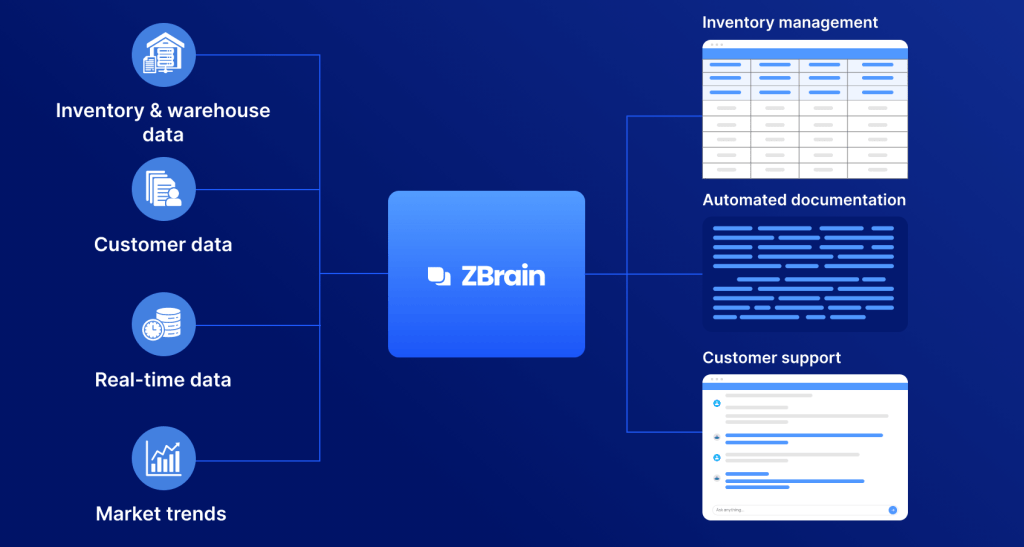
Generative AI refers to a class of artificial intelligence techniques that can create content, generate predictions, and simulate scenarios based on input data. Unlike traditional AI, which typically analyzes data to make decisions, generative AI can produce new data that mimics the characteristics of the original dataset. In logistics, this capability opens up new avenues for enhancing processes and decision-making.
Applications of Generative AI in Logistics
1. Demand Forecasting
One of the primary applications of Generative AI in logistics is demand forecasting. By analyzing historical data, market trends, and various influencing factors, generative AI models can predict future demand for products with greater accuracy. This enables logistics companies to optimize inventory levels, reducing excess stock and minimizing shortages.
2. Route Optimization
Generative AI can significantly improve route optimization by considering multiple variables, such as traffic conditions, weather patterns, and delivery schedules. By generating efficient routing solutions, logistics providers can reduce transportation costs, save time, and enhance service reliability. This not only benefits the logistics companies but also leads to a reduced carbon footprint, aligning with sustainability goals.
3. Warehouse Management
In warehouse management, generative AI can automate processes and optimize space utilization. By analyzing product movement patterns, generative AI can suggest optimal layouts and storage solutions. This reduces the time spent on manual processes, increases efficiency, and minimizes operational costs. Moreover, with AI-generated insights, logistics managers can make informed decisions about stocking and restocking inventory.
4. Supplier Collaboration
Generative AI facilitates better collaboration with suppliers by generating insights into their performance and capabilities. It can analyze data from various sources, identifying reliable suppliers and predicting their ability to meet demands. This enhances supply chain resilience, enabling logistics companies to adapt to changing market conditions swiftly.
5. Risk Management
In the logistics sector, managing risks is crucial for maintaining service quality and customer trust. Generative AI can analyze potential risks by simulating various scenarios, from supply chain disruptions to fluctuations in demand. By anticipating risks, logistics companies can develop contingency plans, ensuring smoother operations even in challenging situations.
Benefits of Generative AI in Logistics
Enhanced Efficiency
The implementation of Generative AI in logistics leads to improved efficiency across various processes. By automating routine tasks and providing actionable insights, logistics companies can focus on strategic initiatives that drive growth and innovation.
Cost Reduction
Generative AI helps logistics companies reduce costs by optimizing routes, minimizing inventory holding, and improving supplier relationships. These savings can be reinvested into technology advancements or passed on to customers, enhancing competitiveness.
Improved Customer Experience
By providing accurate delivery estimates, optimizing inventory levels, and enhancing communication, generative AI contributes to a better overall customer experience. This leads to increased customer loyalty and positive brand reputation.
Data-Driven Decision Making
Generative AI empowers logistics professionals with data-driven insights, enabling them to make informed decisions. This shift from intuition-based to data-driven decision-making enhances the effectiveness of strategic planning.
Challenges in Implementing Generative AI in Logistics
Data Quality
The effectiveness of generative AI largely depends on the quality of data used for training the models. Incomplete, inconsistent, or outdated data can lead to inaccurate predictions, undermining the benefits of AI implementations.
Integration with Existing Systems
Integrating generative AI into existing logistics systems can be challenging. Many logistics companies rely on legacy systems that may not support advanced AI capabilities. Overcoming these integration hurdles requires investment in technology and training.
Resistance to Change
As with any technological advancement, there can be resistance from employees and stakeholders to adopt generative AI. Concerns about job displacement and the learning curve associated with new technologies can hinder successful implementation.
Ethical Considerations
The use of generative AI raises ethical concerns, particularly regarding data privacy and security. Logistics companies must ensure that they handle data responsibly and comply with regulations to maintain customer trust.
The Future of Generative AI in Logistics
The future of Generative AI in logistics looks promising. As technology continues to advance, we can expect even more innovative applications, such as fully autonomous delivery systems and enhanced predictive analytics. The integration of generative AI with other technologies, such as the Internet of Things (IoT) and blockchain, will further revolutionize the logistics landscape.
In conclusion, generative AI is a game-changer for the logistics industry. By enhancing efficiency, reducing costs, and improving customer experiences, it offers significant benefits. However, successful implementation requires addressing challenges related to data quality, integration, and resistance to change. As logistics companies embrace generative AI, they position themselves for a future of innovation and growth in an increasingly competitive market.
 Tech blog
Leave a comment