Introduction
The logistics industry is experiencing a profound transformation as new technologies reshape how goods are moved, stored, and delivered. One of the most disruptive forces in this evolution is generative AI in logistics. This technology has the potential to significantly enhance efficiency, optimize routes, streamline supply chains, and predict future demand. In this article, we will explore the impact of generative AI in logistics, how it works, and its benefits for the industry.
What is Generative AI in Logistics?
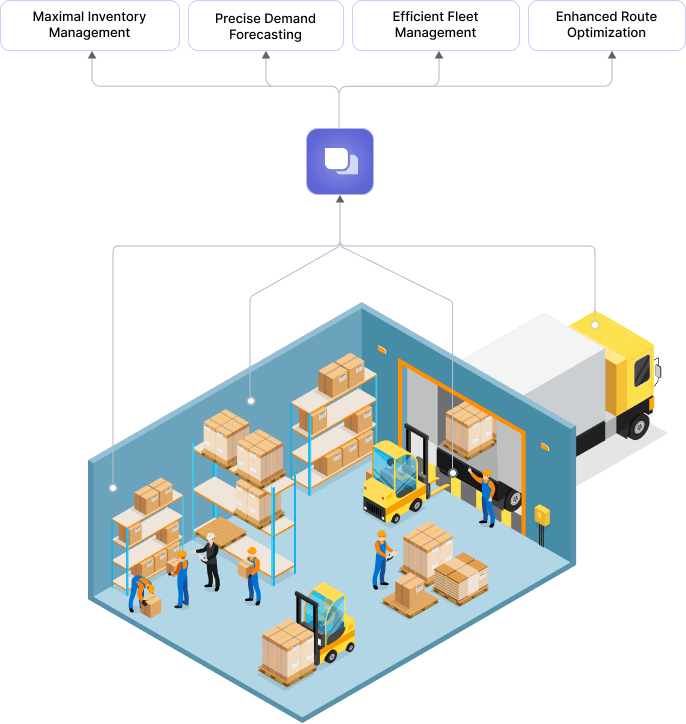
Generative AI in logistics refers to the use of advanced artificial intelligence models that can create new outputs, such as generating optimized solutions for logistics processes, route planning, or demand forecasting. Unlike traditional AI systems that only perform predefined tasks, generative AI leverages vast datasets and algorithms to “learn” patterns and produce new, efficient solutions to complex logistics problems.
For example, it can develop better delivery schedules, suggest optimal warehousing strategies, or even create entirely new supply chain models that minimize waste, time, and cost. This unique ability makes generative AI a game-changer for logistics managers who are constantly searching for ways to improve operations.
Enhancing Route Optimization
One of the most direct and impactful applications of generative AI in logistics is route optimization. Delivery routes often change due to factors like traffic, weather, or demand fluctuations. Traditional methods of route planning are often static and fail to adapt to real-time changes, leading to inefficiencies.
Generative AI can dynamically analyze a variety of factors, including real-time traffic conditions, vehicle capacity, delivery time windows, and more. Based on this data, it can generate the most efficient routes for drivers. This reduces fuel consumption, delivery time, and operational costs, while also improving customer satisfaction due to more accurate delivery times.
By continuously learning and improving from the data it processes, generative AI allows logistics companies to refine their routes over time, making the entire delivery process more adaptable and efficient.
Streamlining Supply Chain Management
Managing a supply chain is a complex task, involving coordination between suppliers, manufacturers, warehouses, and customers. Generative AI in logistics helps streamline these operations by predicting demand, optimizing inventory levels, and improving supplier relationships.
Generative AI can analyze historical data and predict future demand more accurately than traditional models. This allows companies to adjust their inventory levels to avoid overstocking or understocking, thus minimizing wastage and storage costs. For example, generative AI might predict a surge in demand for certain products during specific times of the year, allowing warehouses to prepare in advance.
In addition to demand forecasting, generative AI can also identify inefficiencies in the supply chain, whether it’s delays in supplier deliveries or bottlenecks in the manufacturing process. By addressing these issues, the AI helps create a smoother, more efficient supply chain.
Predictive Maintenance and Equipment Management
The logistics industry relies heavily on machinery and vehicles, from forklifts in warehouses to delivery trucks on the road. Downtime due to equipment failure can result in massive losses for logistics companies. Predictive maintenance, powered by generative AI, is revolutionizing how logistics companies manage their fleet and equipment.
Generative AI can monitor machinery in real-time, collecting data on temperature, vibrations, and other performance indicators. It can then predict when a machine or vehicle is likely to fail and schedule maintenance before it happens. This proactive approach minimizes downtime and reduces repair costs, as minor issues can be fixed before they escalate into larger problems.
Furthermore, generative AI can also suggest the most efficient schedules for equipment use, ensuring that machinery is used optimally and reducing wear and tear. This helps logistics companies maintain high levels of operational efficiency while extending the lifespan of their assets.
Inventory Management and Warehouse Optimization
Warehouses are the backbone of the logistics industry, and efficient warehouse management is key to ensuring smooth operations. Generative AI in logistics can significantly enhance inventory management and warehouse optimization by analyzing large amounts of data and generating better storage strategies.
For instance, AI can recommend the best ways to arrange products in a warehouse to reduce the time spent on picking and packing. It can also optimize storage space by predicting which items will need to be accessed more frequently and placing them in easily reachable locations.
Additionally, generative AI helps with inventory control by monitoring stock levels and automatically reordering items when necessary. This not only improves the accuracy of inventory counts but also helps prevent stockouts or overstocking. The result is a more efficient and cost-effective warehouse operation that can better meet the demands of customers.
Future Applications of Generative AI in Logistics
As the technology continues to evolve, the potential applications of generative AI in logistics will expand. For example, AI could be used to design entirely new supply chain models that are more resilient to disruptions like natural disasters or geopolitical events. It could also help create autonomous delivery systems, where vehicles and drones use generative AI to navigate complex environments without human intervention.
Additionally, generative AI could play a role in sustainability efforts within logistics. By optimizing routes and reducing fuel consumption, generative AI can help logistics companies reduce their carbon footprint. AI-driven solutions may also help companies design greener packaging methods or find more sustainable ways to transport goods.
Conclusion
Generative AI in logistics is reshaping the industry by providing innovative solutions to long-standing challenges. From optimizing routes to predicting demand, managing inventories, and maintaining equipment, AI’s ability to generate new and efficient strategies is invaluable. As the logistics industry continues to grow and evolve, generative AI will play an increasingly important role in driving efficiency, reducing costs, and improving customer satisfaction.
Incorporating generative AI into logistics operations is no longer a futuristic concept—it is happening now, and its impact will only continue to grow in the coming years. By leveraging the capabilities of this advanced technology, logistics companies can stay ahead of the competition and meet the ever-changing demands of the market.
 Tech blog
Leave a comment