Introduction: Unlocking New Possibilities with Generative AI in Manufacturing
Generative AI in manufacturing is transforming the industry in ways that were once considered science fiction. This advanced technology has become a critical tool for enhancing efficiency, improving product designs, and streamlining production processes. By leveraging AI’s powerful ability to generate designs, optimize workflows, and predict outcomes, manufacturers are experiencing significant benefits across various sectors.
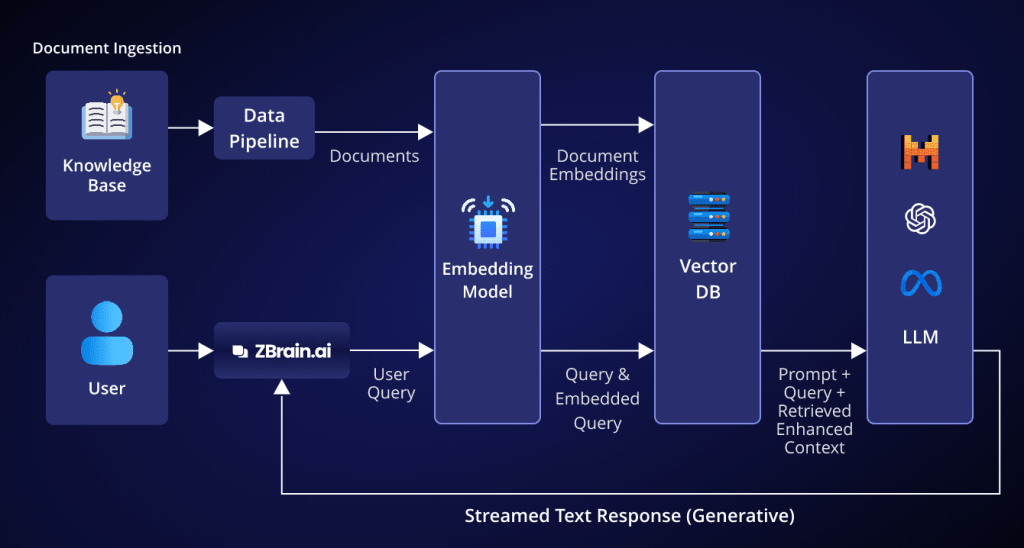
How Generative AI in Manufacturing Works
Generative AI refers to artificial intelligence systems that can create, design, or generate outputs based on specific inputs and algorithms. In manufacturing, this technology is used to generate innovative product designs, optimize production processes, and assist in decision-making.
For example, a manufacturer could input desired parameters such as weight, strength, or material cost into the generative AI system. The AI would then produce numerous potential designs or variations, each optimized to meet the specific criteria. Manufacturers can then select the best option, refine it, and move forward with production.
Applications of Generative AI in Manufacturing
Generative AI in manufacturing is enabling companies to explore new design possibilities and optimize operations. Let’s look at some of the primary areas where generative AI in manufacturing is making a significant impact:
- Product Design and Prototyping
One of the most prominent uses of generative AI in manufacturing is in product design. Traditional design processes often involve multiple iterations, testing, and feedback loops. With generative AI, the design process is accelerated. AI algorithms can rapidly generate a wide array of design options based on specified parameters, such as material constraints, weight limitations, and durability. Generative AI also aids in creating prototypes by simulating real-world conditions, allowing engineers to test designs before physically producing them. This reduces the number of prototypes needed and speeds up the overall development timeline. Additionally, manufacturers can optimize designs for factors such as cost-efficiency and sustainability, improving product quality while reducing waste. - Production Process Optimization
Generative AI in manufacturing plays a crucial role in optimizing production processes. By analyzing data from machines, sensors, and workflows, AI can identify inefficiencies and recommend improvements. This may involve adjusting production schedules, reorganizing layouts, or automating specific tasks to enhance productivity. AI-driven systems can predict potential bottlenecks, machine failures, or resource shortages, allowing manufacturers to address these issues proactively. This predictive capability ensures smoother operations, minimizes downtime, and maximizes output—all essential elements in a highly competitive industry. - Supply Chain Management
The application of generative AI in manufacturing extends beyond the factory floor. In supply chain management, AI helps manufacturers better understand and anticipate demand, optimize inventory, and manage logistics. Generative AI tools can analyze historical data, market trends, and customer preferences to forecast demand more accurately. This allows manufacturers to fine-tune their supply chains, ensuring that they have the right materials at the right time while minimizing excess inventory. It also helps in optimizing transportation routes and reducing shipping costs. In this way, generative AI contributes to a leaner, more efficient supply chain. - Customization and Personalization
Modern consumers increasingly expect products that meet their specific needs. Generative AI in manufacturing enables greater customization and personalization of products without adding significant complexity to the production process. AI algorithms can quickly generate variations of a base design, allowing manufacturers to offer tailored products at scale. This level of customization is particularly beneficial in industries such as automotive, electronics, and fashion, where individual preferences play a crucial role. With generative AI, manufacturers can meet these demands without sacrificing efficiency or increasing costs.
The Benefits of Using Generative AI in Manufacturing
The use of generative AI in manufacturing comes with numerous benefits that enhance both product quality and operational efficiency. Some of the key advantages include:
- Increased Innovation: Generative AI unlocks new design possibilities that human designers might not have considered. By exploring unconventional shapes, structures, and configurations, manufacturers can produce more innovative and effective products.
- Cost Savings: AI-driven optimization helps reduce material waste, energy consumption, and labor costs. With improved efficiency, manufacturers can lower their overall expenses while increasing profitability.
- Faster Time to Market: By speeding up the design, prototyping, and production processes, generative AI allows manufacturers to bring products to market more quickly. This is a critical competitive advantage in industries where time is a significant factor.
- Improved Product Quality: Generative AI ensures that products are designed with optimal performance in mind. By simulating real-world conditions during the design phase, manufacturers can eliminate potential issues before they reach the production stage, resulting in higher-quality final products.
- Sustainability: Generative AI in manufacturing can help minimize waste and reduce the environmental impact of production. By optimizing designs for material efficiency and energy consumption, manufacturers can create more sustainable products and processes.
Challenges and Considerations
Despite the numerous advantages, implementing generative AI in manufacturing is not without challenges. One of the main obstacles is the need for large amounts of high-quality data to train AI systems effectively. Additionally, integrating AI solutions with existing systems and workflows can be complex and requires specialized expertise.
There are also concerns about the potential impact of AI on the workforce. While generative AI in manufacturing can automate many tasks, it also necessitates upskilling workers to operate and maintain AI-driven systems.
Conclusion: The Future of Generative AI in Manufacturing
The future of manufacturing is closely tied to the continued development of generative AI technologies. As AI systems become more sophisticated, their applications in manufacturing will expand, further revolutionizing the industry. From product design and process optimization to supply chain management and customization, generative AI is poised to drive the next wave of innovation.
 Tech blog
Leave a comment