Introduction
The hospitality industry is continuously evolving, driven by technological advancements and changing customer expectations. Among these innovations, generative AI in hospitality stands out as a transformative force. This technology not only enhances operational efficiency but also personalizes guest experiences, making it a vital asset for hotels, restaurants, and travel services.
What is Generative AI?
Generative AI refers to algorithms and models that can generate new content, whether text, images, or even music. By learning patterns from existing data, generative AI can create unique outputs tailored to specific needs. In the hospitality sector, this means providing personalized recommendations, automating responses, and even generating marketing materials, all of which enhance the overall guest experience.
Enhancing Guest Personalization
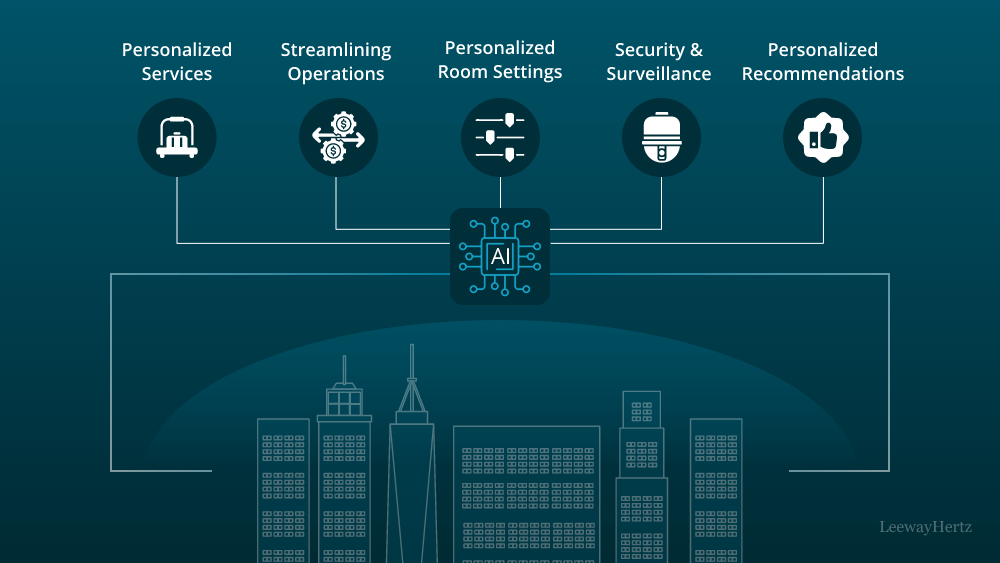
One of the most significant benefits of generative AI in hospitality is its ability to enhance guest personalization. Hotels and restaurants can use this technology to analyze vast amounts of data about customer preferences and behavior. By doing so, they can generate personalized recommendations for services, amenities, and dining options. For instance, a hotel might use generative AI to suggest local attractions based on a guest’s previous stays or interests. This level of personalization creates a more tailored experience, leading to higher guest satisfaction and loyalty.
Streamlining Operations
Generative AI also plays a crucial role in streamlining operations within the hospitality industry. With the ability to automate routine tasks, such as booking confirmations, customer inquiries, and feedback collection, staff can focus on more complex responsibilities that require human interaction. This not only increases efficiency but also allows employees to spend more time on guest engagement, enhancing the overall service quality.
Furthermore, generative AI can assist in inventory management by predicting demand for different services and products. For example, a restaurant can use generative AI to analyze historical data and forecast menu item popularity, ensuring that they are always well-stocked without over-ordering. This capability not only saves costs but also ensures that guests have access to their desired offerings.
Marketing and Customer Engagement
In the realm of marketing, generative AI in hospitality enables businesses to create targeted campaigns that resonate with potential guests. By analyzing customer data, businesses can generate content that speaks directly to their audience, increasing the chances of engagement. For example, generative AI can create personalized email campaigns, tailored social media posts, or even custom landing pages that highlight specific offers based on user behavior.
Moreover, generative AI can enhance customer engagement through chatbots and virtual assistants. These tools can provide real-time support, answer queries, and assist with bookings, creating a seamless customer experience. By using natural language processing, generative AI can engage in meaningful conversations, ensuring guests receive the information they need quickly and efficiently.
Improving Design and Atmosphere
Generative AI can also be utilized in the design and atmosphere of hospitality spaces. Hotels and restaurants can leverage this technology to create unique environments that reflect their brand identity. For instance, AI can analyze trends in decor, color schemes, and layouts to generate innovative design concepts that attract guests. This ability to adapt to current trends while maintaining a unique aesthetic can help businesses stand out in a competitive market.
Additionally, generative AI can assist in creating virtual tours and immersive experiences that entice potential guests. By generating realistic simulations of hotel rooms, dining areas, and local attractions, businesses can give customers a taste of what to expect, ultimately driving bookings and increasing interest.
Challenges and Considerations
While generative AI in hospitality offers numerous benefits, it also comes with challenges. Data privacy is a significant concern, as businesses must ensure that they handle customer information responsibly. Transparency about how data is used and obtaining explicit consent from guests is crucial to maintaining trust.
Another consideration is the need for a balance between automation and human interaction. While generative AI can streamline operations and enhance personalization, the human touch remains essential in hospitality. Businesses should focus on using this technology to augment, rather than replace, the personal interactions that guests value.
Conclusion
Generative AI in hospitality is transforming how businesses operate and engage with their guests. By enhancing personalization, streamlining operations, improving marketing strategies, and creating unique atmospheres, this technology is setting new standards in the industry. However, businesses must navigate the challenges associated with data privacy and the balance of automation with human touch. As generative AI continues to evolve, its potential to redefine the hospitality landscape remains immense, paving the way for more personalized, efficient, and engaging guest experiences. Embracing this innovation will be key for hospitality businesses looking to thrive in the competitive marketplace of the future.
 Tech blog
Leave a comment