Introduction
Generative AI in logistics is reshaping the way supply chains operate. With the rise of advanced machine learning technologies, logistics companies can now optimize their processes like never before. This article explores how generative AI is transforming logistics, improving efficiency, and enhancing decision-making.
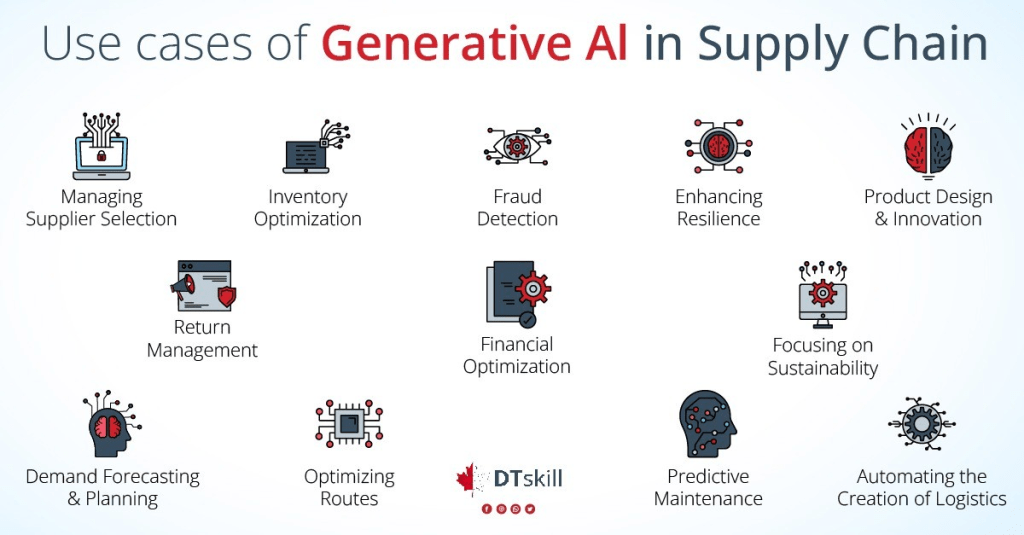
Understanding Generative AI in Logistics
Generative AI refers to algorithms that can create new content based on existing data. In logistics, this means using AI to analyze large datasets, simulate scenarios, and generate solutions. By leveraging generative AI in logistics, companies can forecast demand, optimize routes, and enhance inventory management.
Benefits of Generative AI in Logistics
Improved Demand Forecasting
One of the most significant advantages of generative AI in logistics is its ability to improve demand forecasting. Traditional forecasting methods often rely on historical data and can be prone to errors. In contrast, generative AI can analyze vast amounts of data, identifying patterns and trends that human analysts may overlook. This leads to more accurate predictions, allowing companies to adjust their inventory and production levels accordingly.
Enhanced Route Optimization
Another critical area where generative AI in logistics shines is route optimization. Efficient routing is vital for reducing transportation costs and improving delivery times. Generative AI algorithms can analyze various factors, including traffic patterns, weather conditions, and delivery windows, to determine the most efficient routes. By simulating different scenarios, these algorithms can suggest optimal paths, saving both time and fuel.
Streamlined Inventory Management
Effective inventory management is crucial for logistics companies to meet customer demands without incurring excess costs. Generative AI in logistics enables businesses to optimize their inventory levels by predicting when stock will run low and suggesting reorder points. This minimizes the risk of stockouts and overstock situations, ensuring that companies can maintain a healthy balance in their supply chains.
Applications of Generative AI in Logistics
Demand Planning
Generative AI in logistics can be utilized for demand planning by generating forecasts based on historical sales data, market trends, and seasonal variations. By employing sophisticated models, logistics companies can align their resources with expected demand, leading to better service levels and reduced costs.
Supply Chain Simulation
Another significant application of generative AI in logistics is supply chain simulation. By creating virtual models of the supply chain, companies can test various scenarios and assess potential risks. This allows for proactive decision-making, helping organizations identify bottlenecks and improve their overall supply chain resilience.
Real-time Decision Making
Generative AI in logistics can facilitate real-time decision-making. By continuously analyzing data from multiple sources, such as IoT devices, social media, and market trends, AI systems can provide insights that help logistics managers make informed decisions on the fly. This capability is especially valuable in dynamic environments where conditions can change rapidly.
Challenges of Implementing Generative AI in Logistics
Despite its many advantages, implementing generative AI in logistics is not without challenges.
Data Quality and Availability
One of the primary challenges is the quality and availability of data. For generative AI algorithms to function effectively, they require access to high-quality, relevant data. Many logistics companies struggle with data silos, where information is trapped in different systems, making it difficult to obtain a comprehensive view of operations. Addressing these data quality issues is essential for successful implementation.
Resistance to Change
Another challenge is the potential resistance to change within organizations. Employees may be hesitant to adopt new technologies, fearing that automation will replace their jobs. It is crucial for logistics companies to communicate the benefits of generative AI in logistics and involve staff in the implementation process. Training and support can help ease the transition and foster a culture of innovation.
Integration with Existing Systems
Integrating generative AI solutions with existing logistics systems can also be complex. Companies may have legacy systems that are not compatible with new technologies. A careful assessment of current infrastructure and a strategic approach to integration are necessary to ensure a seamless transition.
The Future of Generative AI in Logistics
The future of generative AI in logistics looks promising. As technology continues to evolve, we can expect more sophisticated AI models that provide deeper insights and greater automation. Companies that embrace these advancements will be better positioned to thrive in an increasingly competitive market.
Increased Automation
One significant trend is the rise of increased automation in logistics processes. Generative AI will enable businesses to automate repetitive tasks, freeing up employees to focus on more strategic activities. This shift will lead to enhanced productivity and efficiency throughout the supply chain.
Greater Collaboration
The use of generative AI in logistics will also promote greater collaboration between various stakeholders in the supply chain. By sharing data and insights, companies can work together to solve complex challenges and create more resilient supply chains. This collaborative approach will drive innovation and improve overall performance.
Enhanced Customer Experience
Ultimately, generative AI in logistics will lead to an enhanced customer experience. With better demand forecasting, faster delivery times, and improved inventory management, customers will benefit from more reliable service. Logistics companies that leverage generative AI will be well-positioned to meet the evolving needs of their customers.
Conclusion
Generative AI in logistics represents a transformative opportunity for companies looking to optimize their supply chains. By improving demand forecasting, enhancing route optimization, and streamlining inventory management, generative AI enables logistics firms to operate more efficiently. While challenges exist, the potential benefits far outweigh the hurdles. As the logistics industry continues to evolve, embracing generative AI will be key to achieving long-term success.
 Tech blog
Leave a comment