Introduction: The Rise of Generative AI in HR Operations
In today’s rapidly evolving business landscape, organizations are continually seeking innovative ways to improve their Human Resources (HR) functions. One of the most groundbreaking developments in this domain is the use of generative AI in HR operations. This technology, which refers to artificial intelligence capable of generating content such as text, images, and even software code, is transforming how HR departments function. From recruitment to employee management, generative AI is reshaping the entire HR ecosystem, driving efficiency, reducing costs, and improving employee experiences.
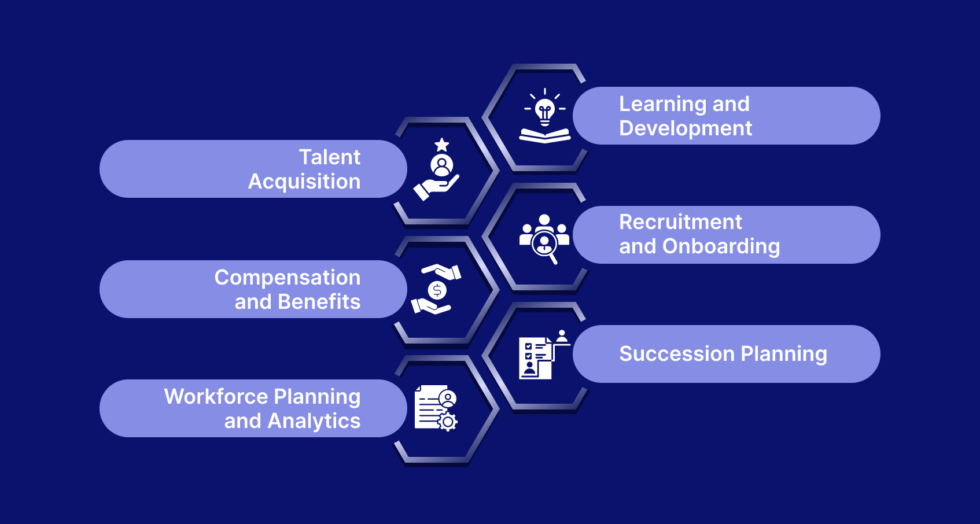
Streamlining Recruitment Processes
One of the key applications of generative AI in HR operations is in recruitment. Traditional hiring processes often involve a significant amount of time and resources. Generative AI can help streamline these processes by automating tasks such as resume screening, generating job descriptions, and even predicting the suitability of candidates for a given role.
AI-driven systems can analyze vast amounts of data to identify patterns that a human recruiter might miss. By utilizing natural language processing, generative AI can sift through resumes and cover letters to highlight the most qualified candidates. This not only speeds up the recruitment process but also reduces bias, leading to more equitable hiring practices.
Moreover, generative AI can assist in creating personalized job descriptions that resonate with specific candidate profiles. By analyzing industry trends, AI can generate content that attracts the right talent, improving the quality of applicants and reducing turnover rates.
Enhancing Employee Onboarding
Onboarding is a critical stage for new employees, as it sets the tone for their experience within the company. Generative AI in HR operations is making onboarding more efficient and engaging. Through AI-generated content, companies can create personalized onboarding materials tailored to the specific needs and preferences of each new hire.
For instance, AI can automatically generate training materials, FAQs, and policy documents based on the role of the new employee. This reduces the workload on HR teams and ensures that every new hire receives the same high-quality introduction to the company. In addition, AI-powered chatbots can provide 24/7 support to answer employee questions, ensuring that new hires have access to the information they need at any time.
The use of generative AI also extends to creating virtual simulations for employee training. These simulations can be personalized to reflect real-world scenarios that employees might face in their roles. This hands-on approach helps new employees better understand their responsibilities and integrate more smoothly into their teams.
Improving Performance Management
Performance management is another area where generative AI in HR operations is making a significant impact. Traditionally, performance reviews are time-consuming and often subject to biases. AI can analyze employee data to generate objective, data-driven evaluations that provide a more accurate assessment of an employee’s performance.
Generative AI can track an employee’s work, providing continuous feedback rather than waiting for the traditional annual review cycle. This enables managers to offer real-time coaching and development opportunities, which can enhance productivity and job satisfaction. By leveraging AI-generated reports, companies can ensure that performance evaluations are fair, consistent, and based on measurable data.
Furthermore, AI-powered systems can help identify high-potential employees by analyzing performance trends and predicting future outcomes. This allows organizations to nurture talent and plan for succession in a more informed and strategic manner.
Optimizing Employee Engagement and Retention
Maintaining high levels of employee engagement and retention is crucial for any organization. Generative AI in HR operations can help foster a positive work environment by creating personalized engagement strategies. For example, AI can analyze employee sentiment through feedback surveys, social media interactions, and performance data. Based on this analysis, AI can generate tailored suggestions for improving employee engagement, such as adjusting workloads, providing additional resources, or offering development opportunities.
Generative AI can also create personalized wellness programs by analyzing individual employee data. This ensures that employees receive the support they need to maintain their physical and mental well-being, which can significantly improve retention rates. Moreover, AI-driven insights can help HR teams predict potential turnover by identifying patterns that indicate disengagement, allowing companies to intervene before employees decide to leave.
Automating Administrative Tasks
A major benefit of generative AI in HR operations is its ability to automate repetitive administrative tasks. HR professionals often spend a large portion of their time on tasks like managing payroll, tracking employee attendance, and updating records. With AI-driven automation, these tasks can be handled quickly and accurately, freeing up HR teams to focus on more strategic initiatives.
For instance, AI can generate and send routine reports, automate payroll processing, and even assist in compliance by generating audit-ready documentation. This not only improves operational efficiency but also minimizes the risk of human error.
By automating mundane tasks, HR professionals can spend more time on activities that require human insight, such as fostering company culture, developing leadership programs, and improving employee relations.
Shaping the Future of HR Operations
The future of generative AI in HR operations looks promising. As AI technology continues to evolve, we can expect even more advanced tools that will further enhance HR capabilities. For instance, generative AI could play a role in predicting future workforce needs, allowing companies to plan proactively for talent shortages or surpluses. It may also facilitate more advanced personalization of employee experiences, helping organizations cater to the unique preferences and needs of their workforce.
However, it is essential to approach the integration of AI with caution. While the technology offers numerous benefits, it must be implemented thoughtfully to avoid issues such as data privacy concerns and potential bias in AI-generated outputs. Organizations must ensure that they have clear guidelines and ethical frameworks in place to govern the use of AI in HR operations.
Conclusion
Generative AI in HR operations is revolutionizing the way organizations manage their most valuable asset: their people. From recruitment and onboarding to performance management and employee engagement, AI is streamlining processes, enhancing accuracy, and improving overall efficiency. As more companies adopt AI-driven solutions, HR departments will continue to evolve, becoming more strategic and better equipped to meet the challenges of the modern workplace. The future of HR is undoubtedly intertwined with the advancements of generative AI, and the possibilities are endless.
 Tech blog
Leave a comment