Introduction to Generative AI in Manufacturing
Generative AI is revolutionizing various sectors, and manufacturing is no exception. This cutting-edge technology utilizes advanced algorithms to create new designs, optimize processes, and enhance decision-making. With its ability to analyze vast amounts of data, generative AI in manufacturing helps companies streamline operations, reduce costs, and improve product quality. As industries continue to embrace digital transformation, understanding the role of generative AI in manufacturing becomes essential for staying competitive.
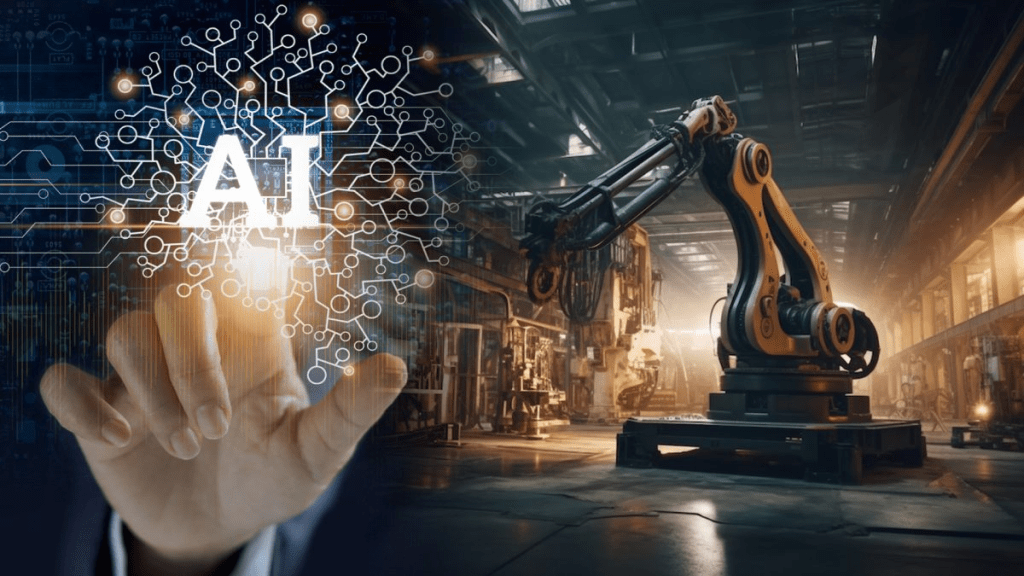
Understanding Generative AI
Generative AI refers to algorithms that can generate new content or solutions based on input data. Unlike traditional AI, which primarily analyzes and classifies data, generative AI creates new patterns and possibilities. This capability can be harnessed to design components, develop prototypes, and simulate manufacturing processes. By leveraging machine learning and neural networks, generative AI in manufacturing enables engineers and designers to explore innovative solutions that were previously unimaginable.
Design Optimization through Generative AI
One of the most significant applications of generative AI in manufacturing is design optimization. Engineers can input specific parameters, such as weight, strength, and material type, into generative algorithms. The AI then produces numerous design alternatives that meet these criteria. This iterative process allows manufacturers to explore a wide range of designs quickly.
For instance, in aerospace manufacturing, the lightweight yet strong components are crucial. Generative AI can propose designs that minimize weight while maintaining structural integrity, leading to more fuel-efficient aircraft. This design freedom also fosters creativity, enabling engineers to think outside the box and explore unconventional designs that might not have been considered otherwise.
Streamlining Production Processes
Generative AI in manufacturing also plays a vital role in streamlining production processes. By analyzing historical data and real-time metrics, generative AI can identify inefficiencies and recommend improvements. For example, the technology can optimize machine schedules, minimize downtime, and enhance supply chain management.
Predictive maintenance is another area where generative AI shines. By continuously monitoring equipment performance, generative AI can predict failures before they occur. This proactive approach reduces unplanned downtime, extends equipment life, and lowers maintenance costs. As a result, manufacturers can achieve higher productivity and better overall performance.
Enhancing Quality Control
Quality control is paramount in manufacturing, and generative AI can significantly enhance this aspect. By employing machine learning algorithms, manufacturers can detect anomalies in the production process. This capability allows for real-time quality assessment, enabling rapid adjustments to maintain product standards.
For instance, generative AI can analyze images from production lines to identify defects that may not be visible to the naked eye. By automating quality inspections, manufacturers can reduce human error, speed up the inspection process, and ensure consistent product quality. This level of precision is especially beneficial in industries like electronics and automotive, where quality assurance is critical.
Personalization and Customization
In today’s market, consumers increasingly demand personalized products. Generative AI in manufacturing enables companies to meet this demand efficiently. By leveraging data from customer preferences, manufacturers can design custom products tailored to individual needs. Generative AI can quickly generate designs based on specific user input, allowing for mass customization without significant delays.
This approach is particularly useful in sectors such as fashion and consumer goods, where unique designs can set a brand apart. Additionally, generative AI can facilitate rapid prototyping, enabling manufacturers to bring customized products to market faster than ever.
The Role of Generative AI in Sustainability
Sustainability is a growing concern in manufacturing, and generative AI can contribute to more eco-friendly practices. By optimizing designs and production processes, manufacturers can minimize waste and reduce energy consumption. Generative AI can analyze materials and recommend alternatives that are more sustainable while still meeting performance requirements.
Furthermore, generative AI can help in lifecycle assessment by predicting the environmental impact of products over their entire lifecycle. This capability allows manufacturers to make informed decisions about materials, production methods, and end-of-life disposal, leading to a more sustainable manufacturing process.
Challenges and Considerations
While the benefits of generative AI in manufacturing are substantial, there are challenges to consider. The implementation of generative AI requires significant investment in technology and training. Additionally, companies must ensure data privacy and security, as generative AI relies on large datasets for training.
Moreover, the integration of generative AI into existing processes may face resistance from employees accustomed to traditional methods. Change management strategies are essential to facilitate a smooth transition and ensure that all stakeholders understand the advantages of adopting generative AI.
Conclusion
Generative AI in manufacturing is transforming how products are designed, produced, and delivered. From optimizing designs and streamlining production processes to enhancing quality control and promoting sustainability, the potential applications are vast. As manufacturers continue to explore the possibilities offered by generative AI, those who embrace this technology will likely gain a competitive edge in the rapidly evolving landscape. Understanding and leveraging generative AI in manufacturing will be crucial for organizations looking to innovate and thrive in the future.
 Tech blog
Leave a comment