Introduction
In recent years, the rise of generative AI in human resource management has revolutionized how organizations recruit, manage, and retain talent. As technology continues to evolve, HR professionals are increasingly adopting innovative tools and techniques that leverage generative AI to enhance their operations. This article explores the applications, benefits, and challenges of generative AI in human resource management, illustrating its transformative potential.
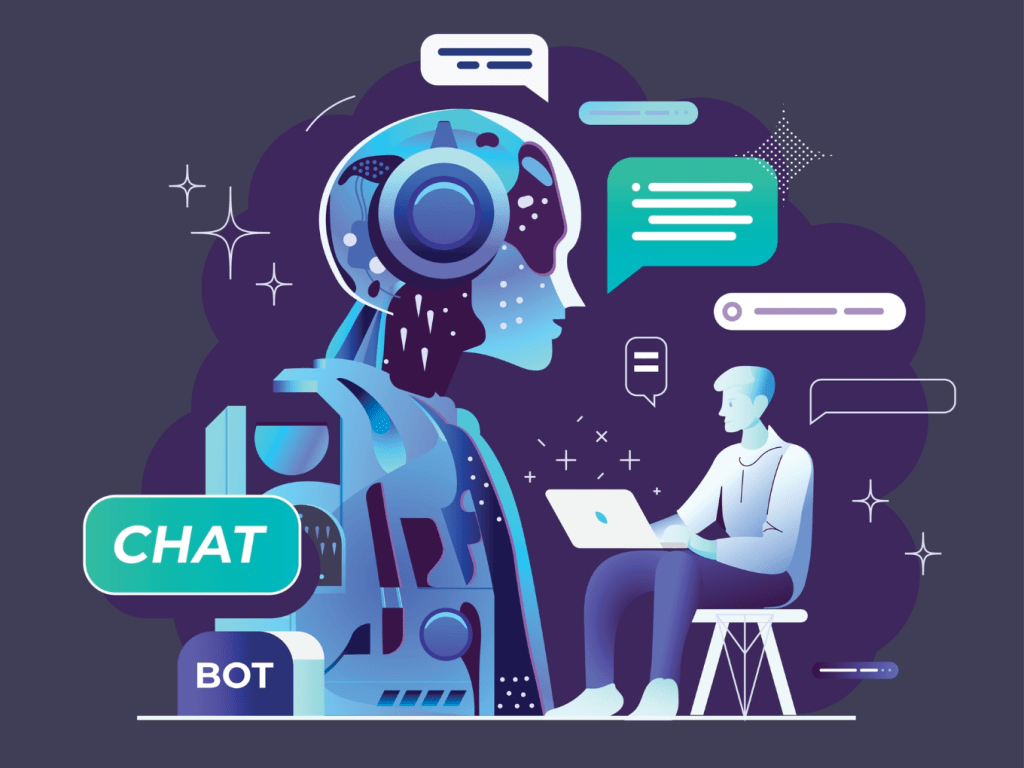
Understanding Generative AI in Human Resource Management
Generative AI refers to algorithms capable of generating new content, including text, images, and even entire documents, based on the data they have been trained on. In human resources, generative AI can assist in various functions, including recruitment, employee onboarding, performance management, and training. By automating repetitive tasks and providing data-driven insights, generative AI enables HR professionals to focus on strategic initiatives and enhance employee engagement.
Applications of Generative AI in Human Resource Management
1. Recruitment and Talent Acquisition
One of the most significant applications of generative AI in human resource management is in the recruitment process. By utilizing AI-driven tools, HR teams can streamline the hiring process, ensuring they attract the best talent. Generative AI can analyze resumes, identify key qualifications, and even generate personalized job descriptions. This not only saves time but also increases the likelihood of finding candidates who are a perfect fit for the organization’s culture and goals.
2. Employee Onboarding
Generative AI can also enhance the employee onboarding experience. By creating personalized onboarding plans, it helps new hires acclimate to their roles more effectively. For instance, generative AI can produce tailored training materials and schedules, ensuring that new employees receive the information they need to succeed in their positions. Furthermore, chatbots powered by generative AI can assist new hires with common questions, reducing the workload on HR personnel.
3. Performance Management
Performance management is another area where generative AI can make a substantial impact. By analyzing employee performance data, AI algorithms can generate insightful reports that highlight strengths and areas for improvement. This information can aid managers in providing targeted feedback, setting performance goals, and developing personalized development plans for employees. As a result, organizations can foster a culture of continuous improvement and growth.
4. Training and Development
Generative AI in human resource management can also play a crucial role in training and development initiatives. By analyzing employee performance and skills gaps, generative AI can recommend personalized training programs tailored to individual needs. Furthermore, AI-driven platforms can create dynamic learning experiences, adapting content based on user progress and engagement. This ensures that employees receive the most relevant training, ultimately leading to higher retention rates and improved job satisfaction.
Benefits of Generative AI in Human Resource Management
1. Increased Efficiency
One of the primary benefits of generative AI in human resource management is increased efficiency. By automating routine tasks, such as resume screening and report generation, HR professionals can dedicate more time to strategic initiatives that drive organizational success. This increased efficiency leads to faster hiring processes, improved employee engagement, and a more effective HR department.
2. Enhanced Decision-Making
Generative AI provides HR professionals with valuable insights that enhance decision-making. By analyzing vast amounts of data, AI algorithms can identify trends and patterns that human analysts may overlook. This data-driven approach enables organizations to make informed decisions about talent management, employee development, and workforce planning.
3. Improved Employee Experience
By leveraging generative AI in human resource management, organizations can create a more personalized employee experience. From tailored onboarding programs to customized training initiatives, generative AI allows HR teams to meet the unique needs of each employee. This personalization not only improves employee satisfaction but also fosters a sense of belonging and engagement within the organization.
Challenges of Implementing Generative AI in Human Resource Management
1. Data Privacy Concerns
As organizations increasingly rely on generative AI in human resource management, concerns about data privacy and security arise. Protecting sensitive employee information is crucial, and HR departments must ensure compliance with regulations and ethical standards. Organizations must implement robust data protection measures to mitigate risks associated with using AI-driven tools.
2. Resistance to Change
The adoption of generative AI in human resource management may face resistance from employees accustomed to traditional HR practices. To successfully implement AI-driven solutions, organizations must invest in change management initiatives that educate employees about the benefits of generative AI. Building trust and demonstrating the value of AI can help alleviate concerns and encourage acceptance.
3. Quality of AI-Generated Content
While generative AI has shown impressive capabilities, the quality of AI-generated content can vary. HR professionals must ensure that the output generated by AI tools meets organizational standards and is free from bias. Regular monitoring and evaluation of AI performance are essential to maintaining the quality and reliability of AI-generated content in HR processes.
Conclusion
The integration of generative AI in human resource management presents significant opportunities for organizations to enhance their HR practices. From recruitment and onboarding to performance management and employee development, generative AI offers innovative solutions that drive efficiency, improve decision-making, and create a more personalized employee experience. However, organizations must remain vigilant about the challenges associated with implementing generative AI, ensuring data privacy and addressing resistance to change. By navigating these challenges effectively, HR departments can harness the full potential of generative AI to shape the future of work.
 Tech blog
Leave a comment