Introduction
Generative AI in the automotive industry is revolutionizing how vehicles are designed, manufactured, and serviced. As technology advances, the integration of generative AI is becoming essential for automotive companies aiming to enhance efficiency, innovation, and customer experience. This article explores the various applications of generative AI in the automotive sector and how it is transforming traditional practices.
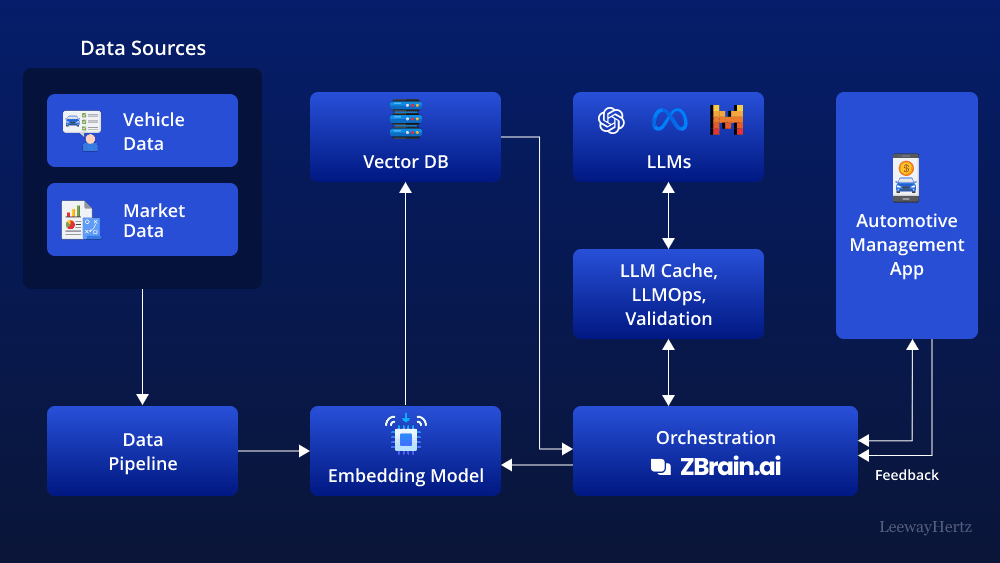
Understanding Generative AI
Generative AI refers to algorithms capable of creating new content based on learned patterns from existing data. Unlike traditional AI, which primarily analyzes data to provide insights, generative AI can produce new designs, models, and solutions. In the automotive industry, this technology can optimize design processes, reduce costs, and improve overall performance.
Design Optimization
One of the most significant applications of generative AI in the automotive industry is in the realm of design optimization. Traditional automotive design often involves lengthy processes where engineers create multiple prototypes before arriving at a final product. With generative AI, designers can input parameters such as material specifications, performance requirements, and aesthetic preferences. The AI system then generates a range of design options, allowing engineers to explore innovative solutions that may not have been considered otherwise.
This approach not only accelerates the design phase but also leads to lighter, more efficient vehicle structures. By utilizing generative design algorithms, automotive manufacturers can identify designs that minimize material use while maximizing strength and performance.
Enhanced Manufacturing Processes
Generative AI in the automotive industry also plays a crucial role in enhancing manufacturing processes. The technology can analyze vast amounts of production data to identify inefficiencies and predict potential issues before they arise. For example, generative AI can optimize the supply chain by predicting demand fluctuations and suggesting adjustments in inventory levels.
Moreover, generative AI can facilitate automation in manufacturing. By employing machine learning algorithms, production lines can be adjusted in real-time to accommodate changes in demand or design specifications. This flexibility not only streamlines production but also reduces waste, contributing to more sustainable manufacturing practices.
Improving Vehicle Performance
The automotive industry is highly competitive, with manufacturers constantly striving to improve vehicle performance. Generative AI plays a pivotal role in this quest by simulating various performance scenarios. Engineers can input parameters such as engine specifications, aerodynamics, and weight distributions, allowing the AI to predict how different configurations will affect performance.
Through iterative testing and simulations, generative AI can help engineers fine-tune their designs to achieve optimal performance. This not only enhances the driving experience for consumers but also contributes to fuel efficiency and reduced emissions.
Customization and Personalization
Consumers today seek vehicles that reflect their individual preferences and lifestyles. Generative AI in the automotive industry allows manufacturers to offer greater customization options. By analyzing customer data and preferences, AI systems can generate tailored recommendations for features, designs, and performance enhancements.
This level of personalization extends beyond mere aesthetics. For instance, generative AI can help create custom driving experiences by adjusting settings such as suspension, engine responsiveness, and infotainment systems based on individual preferences. As a result, manufacturers can build stronger relationships with customers by delivering vehicles that align closely with their needs.
Advancements in Autonomous Vehicles
Generative AI is also integral to the development of autonomous vehicles. These vehicles rely on complex algorithms and extensive data to navigate safely and efficiently. Generative AI can enhance the decision-making processes of autonomous systems by simulating countless driving scenarios, allowing the vehicles to learn from various situations.
Through continuous learning and adaptation, generative AI can improve the accuracy and reliability of autonomous driving systems. This is crucial as the automotive industry moves towards a future where self-driving vehicles become commonplace.
Challenges and Considerations
While the benefits of generative AI in the automotive industry are substantial, there are also challenges to consider. Data privacy and security are paramount, especially as manufacturers collect vast amounts of data to train their AI systems. Ensuring that customer information is protected will be critical to maintaining trust.
Additionally, the integration of generative AI requires a cultural shift within organizations. Employees must be trained to work alongside AI technologies, embracing new ways of thinking and problem-solving. This transformation can be met with resistance, making it essential for leaders to foster a supportive environment.
Conclusion
Generative AI in the automotive industry is not merely a trend; it represents a fundamental shift in how vehicles are designed, manufactured, and experienced. From optimizing design processes and enhancing manufacturing efficiency to improving vehicle performance and enabling customization, the impact of generative AI is far-reaching. As the automotive industry continues to evolve, embracing generative AI will be vital for companies seeking to remain competitive and meet the ever-changing demands of consumers. By navigating the challenges and harnessing the potential of this technology, the automotive sector can look forward to a future defined by innovation and sustainability.
 Tech blog
Leave a comment