Introduction
In today’s digital landscape, the demand for intelligent systems is on the rise. Building an AI agent system can streamline processes, enhance decision-making, and improve user experience. This article will provide a step-by-step guide on how to build an AI agent system, from conceptualization to deployment, while ensuring that the process is clear, simple, and easy to understand.
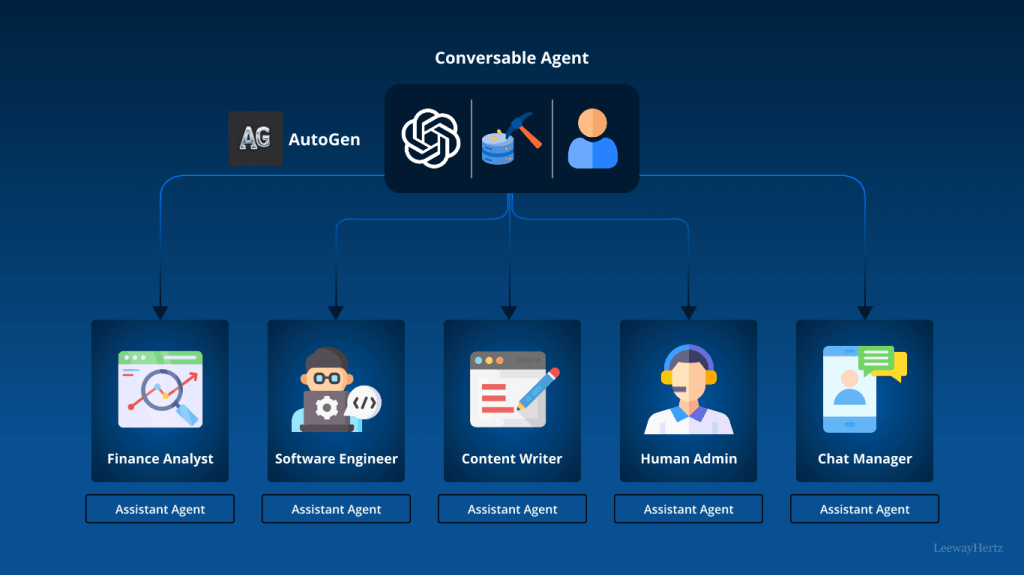
Understanding AI Agent Systems
Before diving into the construction of an AI agent system, it’s essential to grasp what an AI agent is. An AI agent is a software entity that performs tasks autonomously or semi-autonomously based on its environment. These agents can analyze data, make decisions, and interact with users or other systems. Understanding the core functionalities of AI agents will help in designing an effective system tailored to specific needs.
Step 1: Define the Purpose
The first step in building an AI agent system is to define its purpose. Determine what tasks you want the agent to accomplish. This could range from simple tasks, like answering FAQs, to complex ones, such as processing transactions or providing personalized recommendations. A clear understanding of the purpose will guide the subsequent steps and ensure that the system meets user needs.
Identifying Target Users
Once you’ve defined the purpose, it’s crucial to identify your target users. Understanding who will interact with the AI agent can influence its design and functionality. Consider user demographics, preferences, and pain points. This information will help you create an agent that resonates with its audience.
Step 2: Choose the Right Technology
The next step in how to build an AI agent system is selecting the appropriate technology stack. The technology you choose will depend on the agent’s complexity and functionality. Here are some key components to consider:
Natural Language Processing (NLP)
If your AI agent will interact with users through text or speech, incorporating NLP capabilities is essential. NLP allows the agent to understand and process human language, making interactions more intuitive and natural.
Machine Learning (ML)
Machine learning algorithms can enable your AI agent to learn from data and improve over time. Choose the right ML model based on the tasks your agent will perform, whether it’s classification, regression, or clustering.
Development Frameworks
Consider using frameworks that simplify the development process. These frameworks often come with pre-built modules and libraries that can accelerate your project’s timeline.
Step 3: Design the User Interface
A user-friendly interface is crucial for the success of your AI agent system. Whether it’s a chatbot, a voice assistant, or a web application, the interface should be intuitive and easy to navigate. Here are some design principles to keep in mind:
Simplicity
Avoid clutter in your user interface. A clean, simple design helps users focus on interactions with the AI agent without distractions.
Feedback Mechanisms
Incorporate feedback mechanisms to guide users through their interactions. This could be in the form of suggestions, confirmations, or clarifications. Feedback not only enhances user experience but also helps in refining the AI agent’s responses.
Accessibility
Ensure that your interface is accessible to all users, including those with disabilities. Consider using voice commands, text-to-speech features, and clear visual cues to improve accessibility.
Step 4: Develop and Train the AI Agent
Once you have a clear understanding of your agent’s purpose, target users, technology stack, and user interface, it’s time to develop and train the AI agent. This step involves several critical actions:
Data Collection
Gather relevant data to train your AI agent. This could include user interactions, feedback, and any other data related to the tasks the agent will perform. Quality data is vital for training an effective AI agent.
Model Training
Use the collected data to train your machine learning models. Depending on the complexity of your agent, this may involve supervised or unsupervised learning techniques. Regularly evaluate and fine-tune the models to ensure they are providing accurate and relevant responses.
Testing
Conduct rigorous testing to identify and resolve any issues before deployment. Testing should include functional testing, performance testing, and user acceptance testing to ensure the system operates smoothly and meets user expectations.
Step 5: Deploy and Monitor
After developing and testing your AI agent system, it’s time to deploy it. Choose a suitable platform for deployment based on your target users and usage scenarios. Once deployed, continuous monitoring is crucial to ensure the agent performs as expected.
Performance Metrics
Establish key performance indicators (KPIs) to measure the effectiveness of your AI agent system. Metrics such as response time, user satisfaction, and task completion rates can provide insights into the agent’s performance.
Continuous Improvement
The work doesn’t end at deployment. Regularly update and improve the AI agent based on user feedback and performance data. Continuous improvement ensures that the agent remains relevant and effective in meeting user needs.
Conclusion
Building an AI agent system can seem daunting, but by following these structured steps, you can create an effective and user-friendly solution. From defining the purpose to continuous monitoring, each phase plays a critical role in the overall success of the system. By adhering to the principles outlined in this article, you can build an AI agent system that enhances user experience and streamlines processes, paving the way for future innovations in AI technology.
 Tech blog
Leave a comment