Introduction to Generative AI
Generative AI is a revolutionary technology that has started transforming various sectors, including finance and banking. This technology, which can create content and generate data based on existing patterns, is becoming an essential tool for organizations aiming to enhance efficiency, improve customer experiences, and make informed decisions.
Enhancing Customer Experience
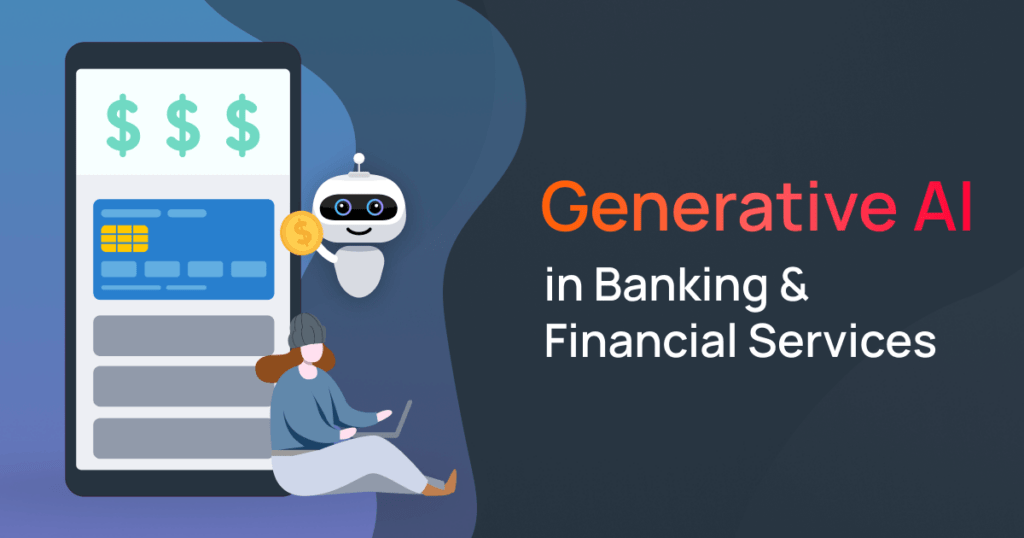
One of the most significant impacts of generative AI in finance and banking is its ability to enhance customer experience. By utilizing chatbots and virtual assistants powered by generative AI, financial institutions can provide personalized support 24/7. These AI-driven solutions can analyze customer inquiries and generate relevant responses in real time, making interactions smoother and more efficient.
Additionally, generative AI can assist in personalizing financial products. By analyzing customer data, AI can identify individual preferences and recommend tailored solutions, improving satisfaction and fostering customer loyalty.
Risk Management and Fraud Detection
Generative AI plays a crucial role in risk management and fraud detection within the finance and banking sectors. Traditional methods of identifying fraud can be slow and ineffective. However, generative AI algorithms can analyze vast amounts of transaction data quickly to identify unusual patterns that may indicate fraudulent activity.
Moreover, generative AI can help in modeling various risk scenarios, allowing banks to prepare for potential market shifts. By simulating different outcomes based on historical data, financial institutions can develop more robust risk management strategies.
Streamlining Operations
The operational efficiency of banks can be significantly enhanced through the implementation of generative AI. By automating routine tasks such as data entry and report generation, AI allows financial professionals to focus on more strategic activities. This not only saves time but also reduces the likelihood of human error.
In addition, generative AI can assist in regulatory compliance by automatically generating reports and ensuring that all necessary information is accurately captured. This streamlining of operations not only boosts productivity but also helps in maintaining compliance with evolving regulations.
Improving Financial Analysis
Generative AI in finance and banking is also changing the way financial analysis is conducted. By leveraging advanced algorithms, financial analysts can gain deeper insights into market trends and customer behavior. Generative AI can process vast datasets to identify correlations and predict future outcomes, enabling better investment decisions.
For instance, by analyzing historical stock performance alongside economic indicators, generative AI can generate predictive models that assist in making informed investment choices. This capability is invaluable for both institutional and retail investors seeking to optimize their portfolios.
Revolutionizing Marketing Strategies
Marketing strategies in finance and banking are becoming more effective thanks to generative AI. By analyzing customer data, generative AI can help identify target demographics and tailor marketing campaigns accordingly. This targeted approach not only improves conversion rates but also reduces marketing costs.
Furthermore, generative AI can create engaging content for promotional purposes. By generating articles, social media posts, and even videos, financial institutions can maintain a consistent and appealing online presence. This content generation can be tailored to resonate with specific customer segments, increasing engagement and brand loyalty.
Ethical Considerations and Challenges
While the benefits of generative AI in finance and banking are significant, ethical considerations must be taken into account. Data privacy is a major concern, as AI systems rely heavily on customer data to function effectively. Financial institutions must ensure that they comply with data protection regulations and maintain transparency with their customers about how their data is being used.
Moreover, the reliance on AI raises questions about accountability and decision-making. It is essential for banks to establish clear guidelines on the use of generative AI to mitigate risks associated with biased algorithms or erroneous outputs.
Future Outlook
The future of generative AI in finance and banking looks promising. As technology continues to evolve, we can expect even more innovative applications that enhance efficiency and improve decision-making. The integration of generative AI with other technologies, such as blockchain and big data analytics, will likely lead to new opportunities and advancements in the industry.
As financial institutions continue to explore the capabilities of generative AI, they will be better equipped to navigate the complexities of the modern financial landscape. By embracing this technology, banks can improve their operations, offer superior customer experiences, and ultimately achieve sustainable growth.
Conclusion
Generative AI in finance and banking is paving the way for a more efficient, customer-centric industry. From enhancing customer experience to streamlining operations and improving financial analysis, the applications of this technology are vast and varied. However, as with any technological advancement, it is crucial for financial institutions to address ethical considerations and remain vigilant in protecting customer data. With the right approach, generative AI can become an invaluable asset for the finance and banking sectors, driving innovation and success for years to come.
 Tech blog
Leave a comment