Introduction
The logistics industry is undergoing a transformation driven by technological advancements, with generative AI emerging as a key player in optimizing operations and enhancing efficiency. By leveraging data-driven insights and predictive capabilities, generative AI in logistics is reshaping the way goods are transported, stored, and managed. This article explores the impact of generative AI on logistics, its benefits, and the future of this technology in the industry.
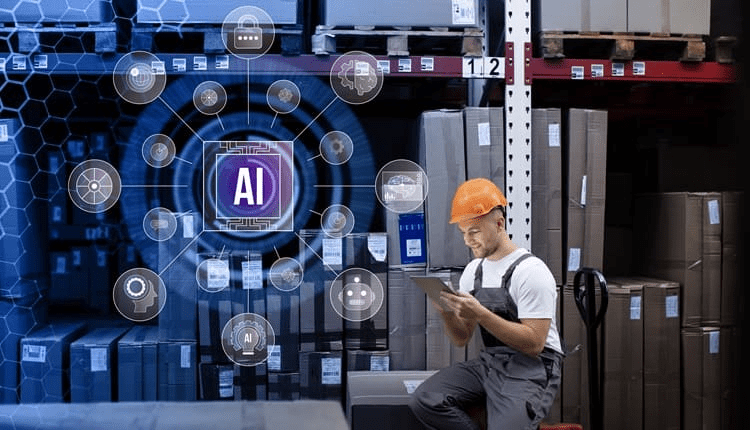
What is Generative AI in Logistics?
Generative AI refers to a subset of artificial intelligence that uses algorithms to generate new content, solutions, or predictions based on existing data. In logistics, generative AI can create models that predict demand, optimize routes, manage inventory, and improve overall supply chain efficiency. Unlike traditional AI, which relies on predefined rules and patterns, generative AI in logistics can adapt and evolve, making it a powerful tool for tackling complex challenges in the industry.
Benefits of Generative AI in Logistics
1. Enhanced Route Optimization
One of the primary applications of generative AI in logistics is route optimization. By analyzing traffic patterns, weather conditions, and delivery constraints, generative AI can suggest the most efficient routes for transporting goods. This not only reduces fuel consumption and delivery times but also minimizes operational costs. Generative AI models continuously learn and adapt to changing conditions, ensuring that logistics companies can maintain optimal performance.
2. Improved Demand Forecasting
Accurate demand forecasting is crucial for effective inventory management and reducing waste. Generative AI in logistics enables companies to predict demand with greater accuracy by analyzing historical sales data, market trends, and external factors such as economic indicators. This leads to better stock management, reduced overstock or stockouts, and enhanced customer satisfaction. As a result, logistics operations become more streamlined and responsive to market changes.
3. Advanced Inventory Management
Generative AI plays a significant role in optimizing inventory levels across the supply chain. By predicting demand and identifying patterns, generative AI helps logistics providers maintain optimal inventory levels, reducing holding costs and improving order fulfillment rates. This dynamic approach to inventory management ensures that companies can respond quickly to fluctuations in demand without compromising service quality.
4. Enhanced Risk Management
Logistics operations are often exposed to various risks, including supply chain disruptions, delays, and unforeseen events. Generative AI in logistics can help identify potential risks by analyzing large datasets and simulating different scenarios. This predictive capability allows companies to develop contingency plans and mitigate risks more effectively. By proactively addressing potential disruptions, logistics providers can maintain smooth operations and minimize the impact of unexpected events.
Applications of Generative AI in Logistics
1. Automated Planning and Scheduling
Generative AI can automate planning and scheduling processes, significantly reducing the time and effort required for these tasks. By generating optimal schedules for vehicle dispatch, warehouse operations, and workforce management, generative AI in logistics enhances overall efficiency and productivity. Automated planning also reduces human error and ensures that resources are utilized effectively.
2. Dynamic Pricing Models
Generative AI in logistics can also be used to develop dynamic pricing models, adjusting prices in real time based on demand, supply, and other market factors. This approach helps logistics companies stay competitive and maximize revenue. By continuously analyzing data and adjusting prices accordingly, generative AI ensures that logistics providers can respond quickly to market changes and customer needs.
3. Smart Warehousing Solutions
Generative AI enables the development of smart warehousing solutions that optimize space utilization, streamline picking and packing processes, and improve inventory accuracy. By analyzing data on inventory movements and warehouse layouts, generative AI can suggest improvements that enhance operational efficiency. These smart solutions reduce the need for manual intervention and enable warehouses to operate at peak performance.
Future of Generative AI in Logistics
The future of generative AI in logistics looks promising as technology continues to evolve and improve. With advancements in machine learning, data analytics, and computational power, the potential applications of generative AI in logistics are expanding. In the coming years, we can expect to see more sophisticated AI models that can handle complex logistics tasks, such as autonomous vehicles for last-mile delivery and AI-powered supply chain networks that self-optimize in real time.
As generative AI becomes more integrated into logistics operations, companies will need to invest in the right infrastructure and talent to harness its full potential. This includes developing robust data management systems, training staff on AI technologies, and collaborating with AI experts to tailor solutions to specific logistics challenges.
Conclusion
Generative AI in logistics is set to revolutionize the industry by providing innovative solutions to age-old challenges. From route optimization and demand forecasting to inventory management and risk mitigation, generative AI offers a wide range of benefits that enhance efficiency, reduce costs, and improve customer satisfaction. As the technology continues to advance, logistics companies that embrace generative AI will be better positioned to thrive in an increasingly competitive market. The future of logistics is undoubtedly shaped by the power of generative AI, and its impact will be felt across the entire supply chain.
 Tech blog
Leave a comment