Introduction
In today’s digital landscape, fraud is a growing concern for businesses and individuals alike. The integration of AI in fraud detection has revolutionized how organizations combat fraudulent activities. This article explores the significant role of AI in fraud detection, highlighting its advantages, challenges, and future potential.
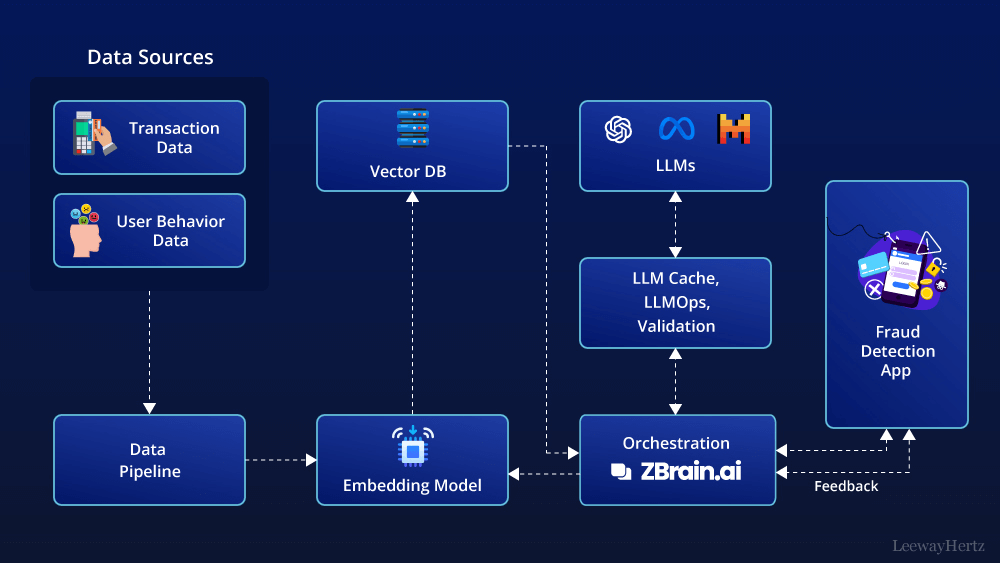
Understanding AI in Fraud Detection
AI, or artificial intelligence, refers to the simulation of human intelligence in machines designed to perform tasks that typically require human cognition. When applied to fraud detection, AI involves using algorithms and machine learning models to identify and prevent fraudulent activities. The implementation of AI in fraud detection helps organizations analyze vast amounts of data swiftly and accurately, making it a crucial tool in modern security strategies.
Benefits of AI in Fraud Detection
- Enhanced Accuracy
One of the primary advantages of using AI in fraud detection is its ability to increase accuracy. Traditional fraud detection methods often rely on predefined rules and patterns, which can be limited and easily circumvented by sophisticated fraudsters. AI, on the other hand, employs machine learning algorithms that continuously learn from new data. This dynamic learning process allows AI systems to detect even the most subtle anomalies that might indicate fraudulent behavior, reducing the likelihood of false positives and missed fraud cases.
- Real-Time Monitoring
AI systems can process and analyze data in real time, providing immediate insights and alerts. This capability is particularly valuable in fraud detection, where timely intervention can prevent significant losses. AI-powered tools can monitor transactions, user activities, and system behaviors in real time, flagging any suspicious actions instantaneously. This proactive approach helps organizations respond quickly to potential threats and mitigate risks effectively.
- Scalability
As businesses grow and data volumes increase, the scalability of fraud detection systems becomes essential. AI excels in handling large datasets and adapting to evolving threats. Unlike traditional systems that may struggle with scaling, AI-driven solutions can effortlessly manage and analyze extensive data streams, ensuring robust fraud detection capabilities even as organizations expand.
- Pattern Recognition
Fraudsters continuously develop new tactics to exploit vulnerabilities. AI in fraud detection excels in identifying complex patterns and trends that may go unnoticed by human analysts. By analyzing historical data and recognizing emerging patterns, AI can predict and prevent potential fraud attempts, offering a proactive defense mechanism.
Challenges of Implementing AI in Fraud Detection
- Data Privacy Concerns
The use of AI in fraud detection involves processing sensitive information, raising concerns about data privacy. Organizations must ensure that AI systems comply with privacy regulations and protect user data from unauthorized access. Implementing robust data protection measures is crucial to maintaining trust and safeguarding sensitive information.
- Integration with Existing Systems
Integrating AI technologies with existing fraud detection systems can be challenging. Organizations often have legacy systems in place, and incorporating AI may require significant adjustments. Ensuring seamless integration and compatibility between new AI tools and existing infrastructure is vital for a smooth transition and optimal performance.
- False Positives and Negatives
While AI significantly improves accuracy, it is not infallible. False positives (legitimate transactions flagged as fraudulent) and false negatives (fraudulent activities missed by the system) can still occur. Fine-tuning AI algorithms and continuously updating them with relevant data is essential to minimize these issues and enhance the overall effectiveness of fraud detection efforts.
The Future of AI in Fraud Detection
The future of AI in fraud detection holds promising advancements. As technology evolves, AI systems will become more sophisticated, offering even greater accuracy and efficiency. Innovations such as explainable AI, which provides insights into how decisions are made, will enhance transparency and trust in AI-driven fraud detection systems.
Additionally, the integration of AI with other technologies, such as blockchain and biometrics, will further strengthen fraud detection capabilities. These advancements will enable organizations to stay ahead of emerging fraud tactics and ensure robust protection against fraudulent activities.
Conclusion
AI in fraud detection is transforming the way organizations approach security and risk management. By leveraging advanced algorithms, real-time monitoring, and scalable solutions, AI enhances accuracy and efficiency in identifying and preventing fraudulent activities. Despite challenges such as data privacy and integration issues, the benefits of AI in fraud detection are substantial. As technology continues to advance, AI will play an increasingly critical role in safeguarding against fraud and ensuring a secure digital environment.
 Tech blog
Leave a comment