Building an AI agent system can seem daunting at first, but with a clear approach, it becomes manageable. This guide will walk you through the process, from understanding the basics to implementing your AI agent system. Whether you’re a beginner or have some experience, this article will provide you with a straightforward path on how to build an AI agent system effectively.
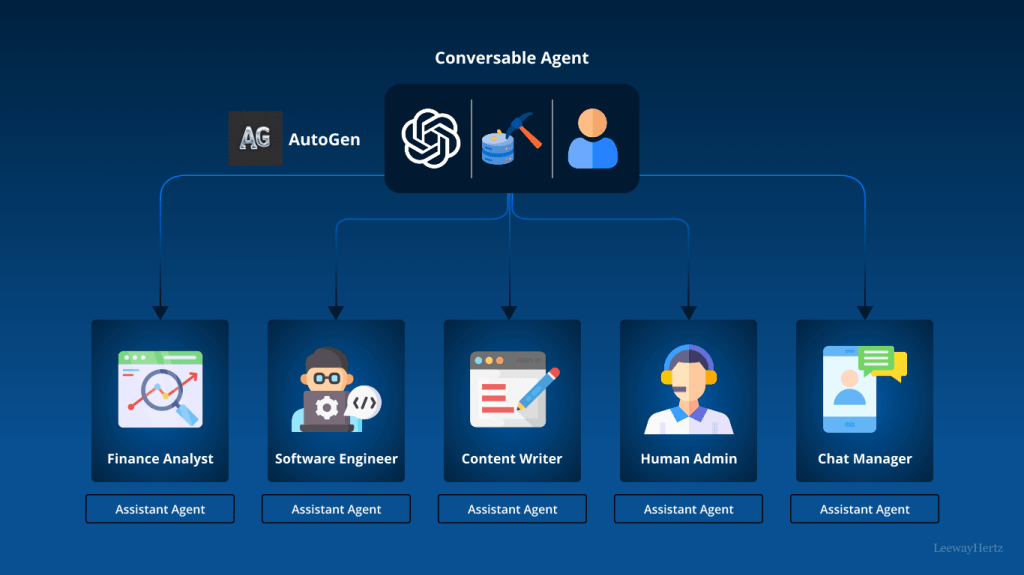
Understanding AI Agent Systems
Before diving into the steps on how to build an AI agent system, it’s essential to grasp what an AI agent is. An AI agent is a system that perceives its environment and takes actions to achieve specific goals. These agents can be simple, like a chatbot, or complex, such as autonomous driving systems.
AI agents consist of four main components:
- Sensors: These collect data from the environment.
- Actuators: These enable the agent to interact with its environment.
- Decision-Making: This component processes the data and makes decisions based on predefined rules or learned experiences.
- Learning: Advanced agents use machine learning algorithms to improve their decision-making over time.
Step 1: Define the Purpose and Scope of Your AI Agent System
The first step in how to build an AI agent system is to clearly define what you want your AI agent to do. This involves specifying the problem it will solve or the task it will perform. For instance, your AI agent might be designed for customer service, data analysis, personal assistance, or automation of routine tasks.
Defining the scope is crucial as it sets the boundaries for what your AI agent will and will not do. A well-defined purpose and scope help in selecting the right tools and techniques for your AI agent system.
Step 2: Choose the Right Tools and Technologies
Selecting the right tools is a critical step in how to build an AI agent system. Depending on your project’s complexity and requirements, you may need different technologies:
- Programming Languages: Python is the most popular language for AI development due to its extensive libraries such as TensorFlow, Keras, and PyTorch.
- AI Frameworks: Frameworks like OpenAI, Google’s TensorFlow, and Microsoft’s Azure ML provide powerful platforms to develop and deploy AI agents.
- Data Sources: Depending on your agent’s needs, you might use APIs, databases, or IoT sensors for data collection.
Selecting the right combination of tools and technologies will streamline your development process and enhance the performance of your AI agent system.
Step 3: Gather and Preprocess Data
Data is the foundation of any AI agent system. The quality and quantity of data significantly affect the performance of your AI agent. Start by gathering data that is relevant to the tasks your AI agent will perform. This could include text data, images, or sensor data, depending on the application.
Preprocessing the data is an essential step that includes cleaning, normalizing, and transforming the data into a format suitable for training AI models. Good data preprocessing improves the accuracy and efficiency of your AI agent system.
Step 4: Develop the AI Model
The heart of how to build an AI agent system lies in developing the AI model. This step involves:
- Choosing the Algorithm: Depending on your requirements, select an appropriate machine learning algorithm. Common options include decision trees, neural networks, and reinforcement learning.
- Training the Model: Use your preprocessed data to train the model. This involves feeding data into the algorithm and allowing it to learn from the patterns.
- Testing the Model: After training, test the model with a separate dataset to evaluate its performance. Fine-tune the model parameters to improve accuracy.
Remember, the better your model learns from the data, the more effective your AI agent will be in performing its tasks.
Step 5: Implement Decision-Making and Actuation
Once your AI model is trained and tested, the next step in how to build an AI agent system is to implement decision-making and actuation. The decision-making component uses the AI model’s output to make informed decisions. These decisions are then translated into actions through actuators, such as APIs, user interfaces, or mechanical controls, depending on your agent’s design.
Step 6: Test and Iterate
Testing is a continuous process in building an AI agent system. Conduct thorough testing under various scenarios to ensure your AI agent performs as expected. Collect feedback, identify areas of improvement, and iterate on the design and algorithms.
Iterative testing helps in refining the AI agent’s performance and adapting it to changing conditions or new requirements.
Step 7: Deploy and Monitor Your AI Agent System
The final step in how to build an AI agent system is deployment. Deploy your AI agent in a real-world environment where it can start interacting with users or other systems. It’s essential to monitor the AI agent’s performance continuously, ensuring it operates within desired parameters and updating it as needed.
Use monitoring tools to track its actions, performance metrics, and user feedback. This ongoing oversight helps maintain the AI agent’s efficiency and effectiveness over time.
Conclusion
Building an AI agent system involves several key steps: defining its purpose, selecting the right tools, gathering and processing data, developing the AI model, implementing decision-making, testing, and deploying. By following these steps, you can learn how to build an AI agent system that meets your specific needs and scales effectively as technology evolves. Keep iterating and refining your system to ensure it remains relevant and efficient in solving the tasks it was designed for.
 Tech blog
Leave a comment