Knowledge management is a critical component of any successful organization. As businesses continue to generate vast amounts of data, the need for efficient knowledge management solutions has become more pressing than ever. Enter the AI agent for knowledge management—a powerful tool that is transforming how organizations manage, access, and utilize their knowledge assets. In this article, we explore the role of AI agents in knowledge management, their benefits, and how they can revolutionize business processes.
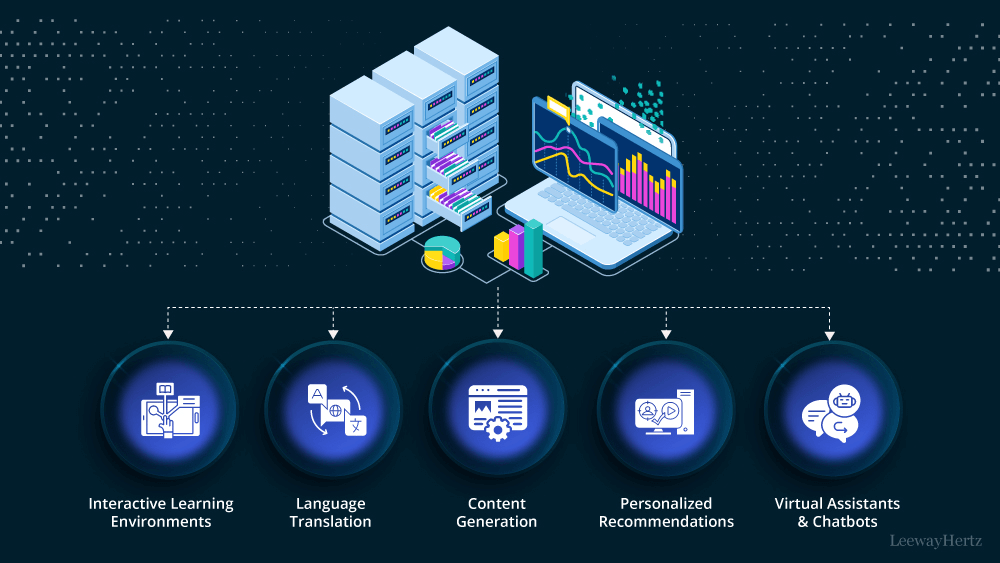
Understanding AI Agents for Knowledge Management
An AI agent for knowledge management is an advanced software program that leverages artificial intelligence to collect, organize, and manage information within an organization. These agents are designed to mimic human decision-making and learning processes, enabling them to handle large volumes of data with accuracy and speed. By using natural language processing (NLP), machine learning, and data analytics, AI agents can make knowledge accessible and actionable for employees, enhancing productivity and decision-making.
Key Features of AI Agents in Knowledge Management
- Automated Data Collection and Organization
AI agents can automatically gather data from various sources, such as emails, documents, databases, and even social media. They categorize and index this information, making it easier to search and retrieve. This automation reduces the time employees spend on manual data entry and organization, allowing them to focus on more strategic tasks. - Intelligent Search Capabilities
One of the standout features of AI agents for knowledge management is their advanced search capabilities. Traditional search functions often struggle with unstructured data and can be time-consuming. AI agents use NLP to understand the context and intent behind search queries, delivering more accurate and relevant results. This means employees can quickly find the information they need, even if it’s buried within complex data sets. - Personalized Knowledge Recommendations
AI agents can analyze user behavior and preferences to deliver personalized content and recommendations. For example, if an employee frequently accesses information on a particular topic, the AI agent can suggest related articles, documents, or experts within the organization. This tailored approach not only improves the user experience but also fosters continuous learning and knowledge sharing. - Knowledge Retention and Transfer
AI agents play a vital role in capturing and retaining institutional knowledge. When experienced employees leave, they often take valuable knowledge with them. AI agents can help mitigate this loss by documenting processes, best practices, and expert insights. This ensures that critical knowledge is preserved and easily accessible to new or existing employees, enhancing knowledge continuity within the organization.
Benefits of Using AI Agents for Knowledge Management
- Increased Efficiency and Productivity
By automating routine tasks and providing quick access to information, AI agents significantly enhance employee productivity. They eliminate the need for repetitive manual processes, allowing employees to concentrate on more value-added activities. As a result, organizations can operate more efficiently and respond to changes or challenges more rapidly. - Improved Decision-Making
Access to accurate and relevant information is crucial for informed decision-making. AI agents provide employees with timely insights, enabling them to make better decisions based on the most current data available. This leads to improved business outcomes and a more agile response to market dynamics. - Enhanced Collaboration and Knowledge Sharing
AI agents facilitate collaboration by making it easier for employees to share and access information. They break down silos by connecting disparate data sources and providing a unified view of organizational knowledge. This promotes a culture of knowledge sharing and collective intelligence, which can drive innovation and improve problem-solving across teams. - Cost Savings
Implementing AI agents for knowledge management can lead to significant cost savings. By reducing the time spent on information retrieval and minimizing the duplication of work, organizations can lower operational costs. Additionally, AI agents can help prevent costly errors by providing accurate and up-to-date information, further contributing to the bottom line.
Future of AI Agents in Knowledge Management
The future of AI agents for knowledge management looks promising. As AI technology continues to evolve, these agents will become even more sophisticated, capable of handling complex tasks with greater accuracy. Innovations such as predictive analytics and automated decision-making are expected to further enhance their capabilities, making AI agents an indispensable part of the modern workplace.
Organizations that embrace AI agents for knowledge management will be better positioned to thrive in an increasingly competitive landscape. By harnessing the power of AI, businesses can transform their knowledge management processes, driving efficiency, innovation, and growth.
In conclusion, AI agents for knowledge management are reshaping the way organizations manage their knowledge assets. By automating processes, enhancing search capabilities, and fostering collaboration, these agents provide a powerful solution for modern businesses looking to stay ahead in a data-driven world. As AI technology continues to advance, the potential of AI agents in knowledge management will only continue to grow, offering exciting opportunities for organizations across all industries.
 Tech blog
Leave a comment