Artificial Intelligence (AI) is rapidly transforming industries, but the future lies in a more advanced form known as Composite AI. This emerging technology blends different AI models and techniques to create more powerful and versatile solutions. In this article, we will explore the benefits, applications, and implementation strategies of Composite AI, along with best practices to optimize its use in your business.
What is Composite AI?
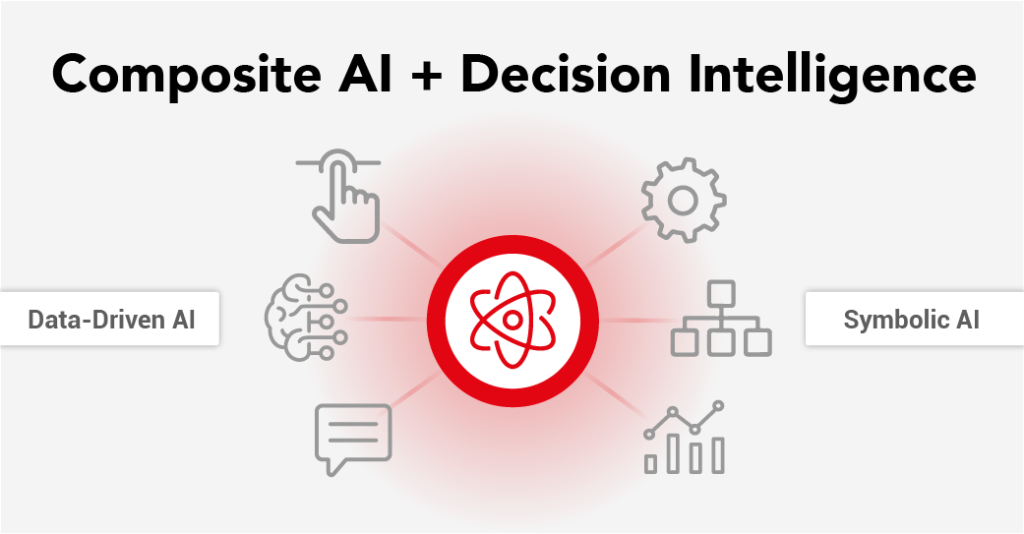
Composite AI refers to the integration of multiple AI techniques, such as machine learning, natural language processing, and computer vision, to create a more comprehensive and capable system. Unlike traditional AI, which often relies on a single method, Composite AI combines various approaches to tackle complex problems more effectively.
Benefits of Composite AI
1. Enhanced Accuracy and Efficiency
One of the most significant benefits of Composite AI is its ability to deliver higher accuracy and efficiency. By combining different AI techniques, it can analyze data from multiple angles, leading to more precise predictions and decisions. For example, in the healthcare sector, Composite AI can integrate medical imaging, patient history, and genetic data to provide more accurate diagnoses.
2. Greater Flexibility
Composite AI offers greater flexibility compared to traditional AI systems. Since it leverages multiple techniques, it can adapt to various scenarios and data types. This flexibility is crucial for businesses operating in dynamic environments where conditions and data inputs change frequently.
3. Improved Decision-Making
With Composite AI, businesses can make better-informed decisions. By analyzing data using various AI models, the system can provide more comprehensive insights, helping decision-makers to consider all relevant factors. This is particularly beneficial in fields like finance, where decisions must be made quickly based on complex data.
4. Scalability
Composite AI systems are inherently scalable. As businesses grow and their data becomes more complex, Composite AI can scale to handle larger datasets and more intricate problems without a significant loss in performance. This scalability ensures that businesses can continue to rely on their AI systems as they expand.
Applications of Composite AI
1. Healthcare
In healthcare, Composite AI is revolutionizing patient care. By integrating AI models for medical imaging, natural language processing for patient records, and predictive analytics, healthcare providers can offer more personalized and effective treatments. Composite AI can also assist in drug discovery by analyzing vast datasets to identify potential drug candidates.
2. Finance
The finance industry benefits from Composite AI through improved risk management, fraud detection, and customer service. For instance, by combining machine learning algorithms with natural language processing, banks can better detect fraudulent activities in real-time and enhance customer interactions with AI-driven chatbots.
3. Retail
In retail, Composite AI is used to optimize supply chains, enhance customer experiences, and personalize marketing strategies. Retailers can integrate AI models that analyze customer behavior, inventory levels, and market trends to make data-driven decisions that improve efficiency and customer satisfaction.
4. Manufacturing
Manufacturing companies use Composite AI to improve production processes, predict equipment failures, and optimize supply chain management. By combining machine learning, predictive analytics, and IoT data, manufacturers can enhance productivity and reduce downtime.
Implementation Strategies for Composite AI
1. Identify Business Objectives
The first step in implementing Composite AI is to clearly define your business objectives. Understand what you aim to achieve with Composite AI, whether it’s improving customer service, enhancing product quality, or optimizing operations. This clarity will guide the selection of appropriate AI techniques and models.
2. Build a Strong Data Foundation
Composite AI relies heavily on data. Therefore, it is essential to have a robust data infrastructure in place. Ensure that your data is clean, well-organized, and accessible. This includes integrating data from various sources to create a unified dataset that Composite AI can analyze effectively.
3. Start Small, Scale Gradually
When implementing Composite AI, it’s wise to start with a pilot project. Choose a specific area where you can apply Composite AI and measure its impact. Once you’ve demonstrated success, you can gradually scale the solution to other parts of your business.
4. Collaborate with Experts
Implementing Composite AI can be complex, so collaborating with AI experts or consultants is advisable. They can help you select the right AI models, integrate them effectively, and ensure that your system is optimized for performance.
Best Practices for Composite AI Implementation
1. Continuous Learning and Improvement
Composite AI systems should be continuously updated and improved. Regularly review the performance of your AI models, update them with new data, and refine their algorithms to enhance accuracy and efficiency.
2. Ethical Considerations
As with any AI system, it’s important to consider the ethical implications of Composite AI. Ensure that your AI models are transparent, fair, and unbiased. Establish guidelines for responsible AI use to avoid unintended consequences.
3. Monitor and Evaluate Performance
Constantly monitor the performance of your Composite AI system. Use metrics and KPIs to evaluate its effectiveness in meeting your business objectives. Regular evaluation helps identify areas for improvement and ensures that the system remains aligned with your goals.
4. Invest in Training and Development
Finally, invest in training and development for your team. As Composite AI evolves, so should the skills of your employees. Provide ongoing training to help them understand how to work with Composite AI systems and leverage them to their full potential.
Conclusion
Composite AI represents the next frontier in artificial intelligence, offering businesses enhanced accuracy, flexibility, and scalability. By understanding the benefits, applications, and implementation strategies of Composite AI, companies can harness its power to drive innovation and stay competitive in today’s fast-paced market. Remember to follow best practices, from continuous learning to ethical considerations, to ensure that your Composite AI implementation is successful and sustainable.
 Tech blog
Leave a comment