Introduction
Conversational AI has rapidly evolved into a transformative technology, reshaping the way businesses interact with customers. This advanced form of artificial intelligence enables machines to understand, process, and respond to human language in a natural, conversational manner. From customer service chatbots to voice assistants, Conversational AI has become an integral part of our daily lives. In this article, we’ll explore the types of Conversational AI, its various use cases, and the solutions it offers to businesses.
What is Conversational AI?
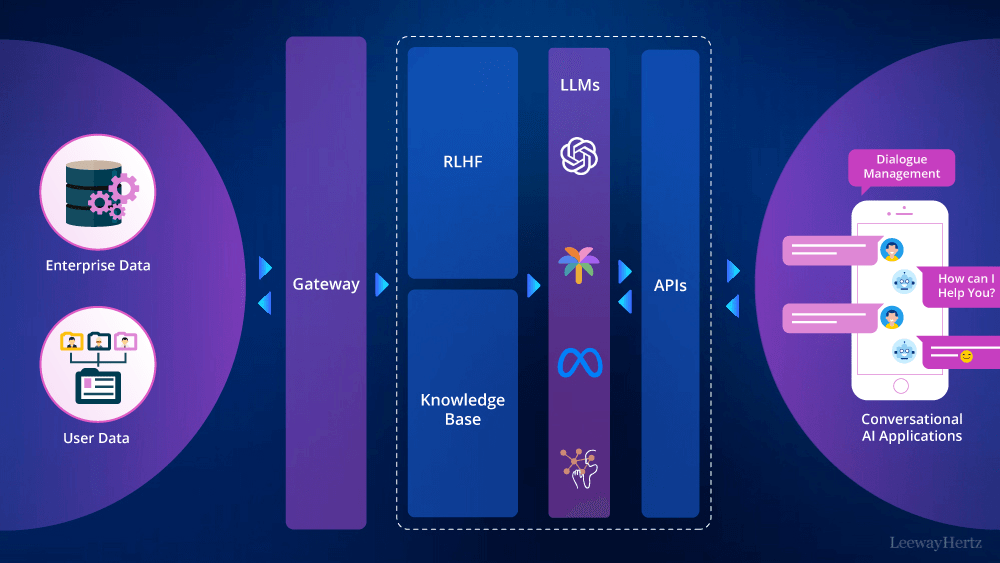
Conversational AI refers to the technologies that enable computers to interact with humans using natural language. This includes everything from simple text-based chatbots to more sophisticated voice-activated systems like Amazon’s Alexa or Apple’s Siri. These systems are designed to understand human language, process it, and provide meaningful responses. Conversational AI combines natural language processing (NLP), machine learning (ML), and other technologies to deliver a seamless and intuitive user experience.
Types of Conversational AI
Understanding the different types of Conversational AI is crucial for businesses looking to implement this technology. Here are the primary types:
1. Chatbots
Chatbots are the most common form of Conversational AI. They are designed to simulate conversation with human users, typically through text-based interfaces. Chatbots can be rule-based, following predefined scripts, or AI-driven, learning and adapting from interactions. They are widely used in customer service, sales, and support roles to provide instant responses to customer inquiries.
2. Voice Assistants
Voice assistants like Google Assistant, Amazon Alexa, and Apple Siri represent another type of Conversational AI. These systems allow users to interact with devices using voice commands. Voice assistants are often embedded in smartphones, smart speakers, and other IoT devices, providing users with a hands-free way to access information, control smart home devices, or perform tasks like setting reminders.
3. Virtual Agents
Virtual agents are a more advanced form of Conversational AI. They are capable of handling more complex interactions than standard chatbots and can perform tasks that require a higher level of understanding and context. Virtual agents are often used in customer support, where they can assist with troubleshooting, processing transactions, or guiding users through multi-step processes.
Use Cases of Conversational AI
Conversational AI offers a wide range of use cases across various industries. Here are some of the most notable applications:
1. Customer Support
One of the most prevalent use cases of Conversational AI is in customer support. Businesses use chatbots and virtual agents to provide instant assistance to customers, reducing the need for human intervention and improving response times. Conversational AI can handle common inquiries, troubleshoot issues, and escalate more complex cases to human agents when necessary.
2. E-commerce and Retail
In e-commerce, Conversational AI plays a vital role in enhancing the shopping experience. Chatbots can assist customers in finding products, answering questions about availability, and even processing orders. Voice assistants are also used in smart devices, allowing users to make purchases or check order statuses through simple voice commands.
3. Healthcare
Conversational AI is making significant strides in the healthcare sector. It can assist in patient triage, appointment scheduling, and providing information about symptoms or medications. Virtual agents are also being used to monitor chronic conditions, offering patients reminders and advice on managing their health.
4. Banking and Finance
In banking, Conversational AI is used to provide customer service, assist with transactions, and even offer financial advice. Chatbots can help customers check account balances, transfer money, or find information about financial products. Voice assistants are also being integrated into banking apps, allowing users to perform tasks through voice commands.
5. Human Resources
Conversational AI is increasingly being used in human resources to streamline processes like recruitment, onboarding, and employee engagement. Chatbots can assist in answering employee questions, scheduling interviews, and guiding new hires through onboarding processes. This use of Conversational AI helps HR departments save time and resources while improving the employee experience.
Solutions Provided by Conversational AI
Conversational AI offers a range of solutions that can benefit businesses and enhance customer interactions:
1. Improved Customer Engagement
By providing instant responses and 24/7 availability, Conversational AI helps businesses improve customer engagement. This leads to higher customer satisfaction and loyalty, as customers appreciate quick and accurate answers to their inquiries.
2. Cost Efficiency
Implementing Conversational AI can significantly reduce operational costs. Chatbots and virtual agents can handle a large volume of customer interactions without the need for human agents. This not only reduces labor costs but also allows human staff to focus on more complex tasks.
3. Personalization
Conversational AI can provide personalized experiences by analyzing user data and tailoring responses to individual preferences. This level of personalization enhances the customer experience, making interactions more relevant and engaging.
4. Scalability
One of the key advantages of Conversational AI is its scalability. As businesses grow, Conversational AI can easily handle an increasing number of interactions without compromising on performance. This makes it an ideal solution for businesses of all sizes.
Conclusion
Conversational AI is transforming the way businesses interact with customers, offering a range of solutions that improve efficiency, engagement, and customer satisfaction. From chatbots and voice assistants to advanced virtual agents, the types of Conversational AI are diverse and versatile. By leveraging these technologies, businesses can provide better service, reduce costs, and deliver personalized experiences. As Conversational AI continues to evolve, its applications and benefits will only expand, making it an essential tool for modern businesses.
 Tech blog
Leave a comment