Introduction
Generative AI models are rapidly transforming various industries, from content creation to healthcare. These advanced systems are designed to produce new and unique data based on existing information. In this article, we will explore what generative AI models are, how they work, and their impact on different sectors. Understanding these models is crucial for anyone interested in the future of technology and its applications.
What Are Generative AI Models?
Generative AI models are a type of artificial intelligence that generates new content based on patterns learned from existing data. Unlike traditional AI models, which might classify or predict based on given inputs, generative models create new outputs that mimic or extend the original data. They can produce text, images, music, and even complex designs that were not explicitly programmed into them.
How Do Generative AI Models Work?
Generative AI models use algorithms to learn from large datasets. These models are trained on vast amounts of information to understand patterns and structures. There are several key techniques used in generative AI, including:
- Generative Adversarial Networks (GANs): GANs consist of two neural networks—the generator and the discriminator. The generator creates new data, while the discriminator evaluates its authenticity. Through this adversarial process, the generator improves its ability to produce realistic outputs.
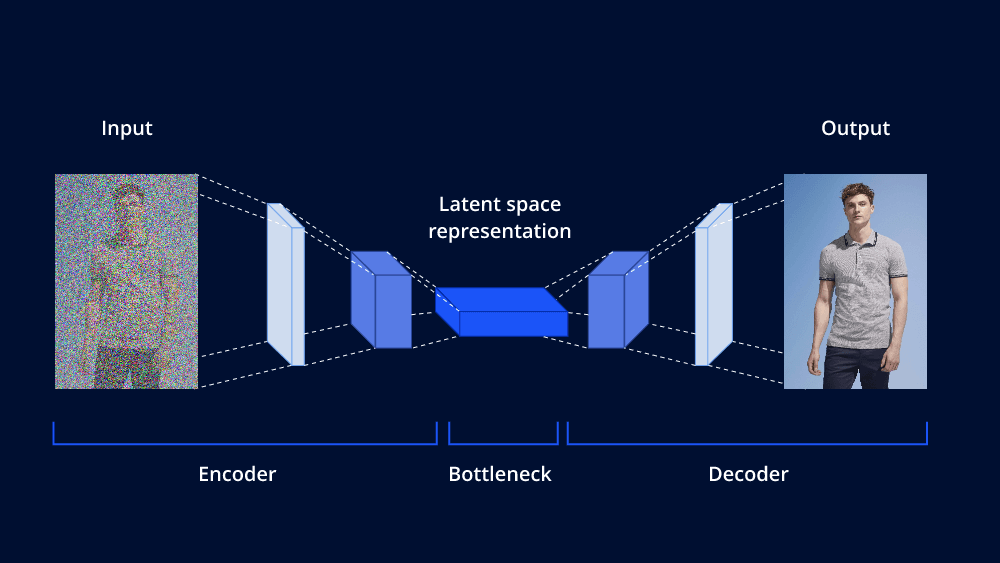
- Variational Autoencoders (VAEs): VAEs work by encoding input data into a compressed format and then decoding it to generate new data. This approach allows for generating variations of the original input while preserving its core features.
- Transformers: Transformers, particularly in natural language processing, use attention mechanisms to understand and generate human-like text. Models such as GPT (Generative Pre-trained Transformer) are famous examples of transformer-based generative models.
Applications of Generative AI Models
Generative AI models have a wide range of applications across different fields:
- Content Creation: In writing, generative AI models can produce articles, stories, and even poetry. Tools like OpenAI’s GPT-3 can generate human-like text based on a given prompt, making them valuable for content creators and marketers.
- Art and Design: Artists and designers use generative AI models to create new visual art, animations, and designs. These models can generate unique patterns and styles, providing fresh inspiration and innovative solutions.
- Healthcare: In healthcare, generative AI models are used to create synthetic medical data, which helps in training other AI systems and conducting research. They also assist in drug discovery by generating potential molecular structures.
- Entertainment: In the entertainment industry, generative AI models help in creating music, generating realistic video game characters, and even crafting movie scripts. They contribute to more immersive and personalized experiences.
Benefits of Generative AI Models
Generative AI models offer several benefits:
- Innovation: By generating new and unique content, these models drive innovation across various industries. They allow creators to explore new ideas and approaches that may not have been conceived otherwise.
- Efficiency: Generative AI models can automate content creation processes, saving time and resources. For businesses, this means faster production cycles and the ability to scale content output.
- Customization: These models enable highly personalized experiences. For instance, they can generate content tailored to individual preferences or needs, enhancing user engagement and satisfaction.
Challenges and Considerations
Despite their advantages, generative AI models also present challenges:
- Quality Control: Ensuring the quality and accuracy of generated content is crucial. Models might produce outputs that are incorrect or inappropriate, requiring human oversight.
- Ethical Concerns: The ability of generative AI models to create realistic content raises ethical issues, such as deepfakes and misinformation. Addressing these concerns is essential to maintain trust and integrity.
- Resource Intensive: Training generative AI models often requires significant computational resources and data. This can be a barrier for smaller organizations or individuals looking to leverage these technologies.
The Future of Generative AI Models
The future of generative AI models looks promising, with ongoing advancements improving their capabilities and applications. Researchers are continually developing new techniques to enhance the quality and efficiency of these models. As technology evolves, generative AI is expected to become even more integrated into various aspects of daily life, from personalized content to innovative solutions in diverse fields.
Conclusion
Generative AI models are revolutionizing how we create and interact with content. By understanding what generative AI models are and how they work, you can appreciate their impact on different industries and recognize their potential for future advancements. While challenges exist, the benefits and possibilities offered by these models make them a significant area of interest and innovation in the tech world.
In summary, generative AI models are not just a technological marvel but a gateway to endless creative and practical applications. As we continue to explore and develop these systems, their role in shaping our future becomes ever more crucial.
 Tech blog
Leave a comment