The automotive industry is on the brink of a technological revolution, with artificial intelligence (AI) playing a pivotal role in driving this change. AI in automotive is not just a buzzword but a fundamental shift that is redefining how vehicles are designed, manufactured, and operated. This article explores the transformative impact of AI in automotive, highlighting its key applications, benefits, and future potential.
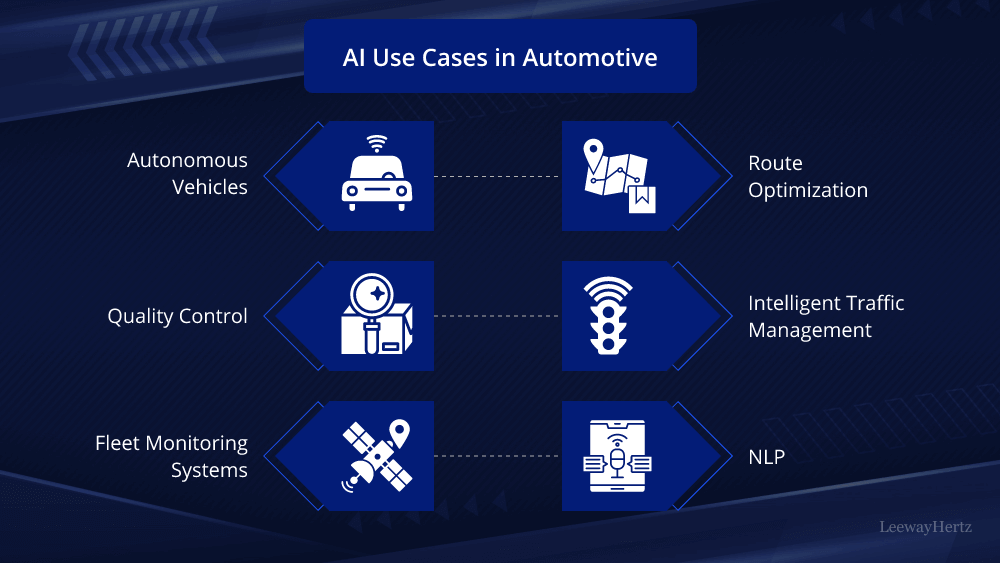
Understanding AI in Automotive
Artificial Intelligence (AI) in automotive refers to the use of advanced algorithms and machine learning techniques to enhance various aspects of vehicle performance and functionality. From autonomous driving to predictive maintenance, AI in automotive is shaping the future of transportation.
Autonomous Driving: The Pinnacle of AI in Automotive
One of the most talked-about applications of AI in automotive is autonomous driving. Self-driving cars rely heavily on AI to navigate roads safely and efficiently. AI systems process data from sensors, cameras, and radars to understand the vehicle’s environment, make real-time decisions, and control the car’s movements. Companies like Tesla, Waymo, and BMW are leading the charge in developing AI-driven autonomous vehicles, promising a future where driving could be entirely automated.
Key Technologies Behind Autonomous Vehicles
- Computer Vision: AI algorithms analyze camera images to identify road signs, pedestrians, and other vehicles.
- Sensor Fusion: Combining data from various sensors, such as LiDAR and radar, helps create a comprehensive understanding of the vehicle’s surroundings.
- Machine Learning: AI models learn from vast amounts of driving data to improve decision-making and adapt to different driving conditions.
Enhancing Vehicle Safety with AI
Safety is a primary concern in the automotive industry, and AI in automotive technology is making significant strides in this area. Advanced Driver Assistance Systems (ADAS) use AI to provide features like automatic emergency braking, lane-keeping assistance, and adaptive cruise control. These systems help prevent accidents by alerting drivers to potential hazards and taking corrective actions when necessary.
AI-Powered Safety Features
- Collision Avoidance: AI analyzes the vehicle’s surroundings to predict potential collisions and activate preventive measures.
- Driver Monitoring: AI systems track driver behavior and alert them if signs of drowsiness or distraction are detected.
- Adaptive Headlights: AI adjusts headlight intensity and direction based on road conditions and traffic.
AI in Automotive Manufacturing: Efficiency and Innovation
AI is not limited to vehicle operation; it also revolutionizes how cars are built. In automotive manufacturing, AI enhances efficiency, precision, and innovation. AI-driven robots and automation systems streamline assembly lines, reducing production time and costs. Predictive maintenance powered by AI helps identify potential equipment failures before they occur, minimizing downtime and ensuring smooth operations.
Benefits of AI in Manufacturing
- Quality Control: AI systems inspect parts and assemblies for defects, ensuring higher quality standards.
- Supply Chain Optimization: AI analyzes data to predict demand and manage inventory more effectively.
- Design Innovation: AI assists in creating and testing new vehicle designs, accelerating the development process.
AI in Automotive: Personalization and Connectivity
The integration of AI in automotive extends to enhancing the driving experience through personalization and connectivity. AI-powered infotainment systems offer tailored recommendations for music, navigation, and other preferences based on driver behavior and preferences. Connected cars, enabled by AI, provide real-time updates on traffic conditions, vehicle health, and more.
Key Features of AI-Driven Infotainment Systems
- Voice Recognition: AI enables hands-free control of various functions using voice commands.
- Predictive Navigation: AI predicts the best routes based on traffic patterns and driver preferences.
- Personalized Content: AI curates entertainment options and settings to match individual tastes.
The Future of AI in Automotive
The future of AI in automotive holds immense potential. As technology continues to evolve, we can expect even more advanced applications and innovations. Fully autonomous vehicles, enhanced safety systems, and smarter manufacturing processes are just the beginning. AI in automotive will play a crucial role in shaping a more efficient, safe, and personalized driving experience.
Emerging Trends
- V2X Communication: Vehicles will communicate with each other and infrastructure using AI to improve traffic flow and safety.
- AI-Enhanced Traffic Management: AI will optimize traffic signals and congestion management to reduce travel time and emissions.
- Advanced AI Algorithms: Continued advancements in AI algorithms will enhance vehicle performance and decision-making capabilities.
Conclusion
AI in automotive is not merely an advancement but a transformative force that is reshaping the industry. From autonomous driving to enhanced safety features and smarter manufacturing processes, AI is driving innovation and improving the overall driving experience. As technology continues to advance, the role of AI in automotive will only become more significant, paving the way for a future where transportation is safer, more efficient, and more connected.
Incorporating AI in automotive practices is a crucial step towards realizing the future of transportation. Embracing these technological advancements will lead to more intelligent, reliable, and enjoyable driving experiences. The road ahead is bright with the promise of AI, and the automotive industry is at the forefront of this exciting transformation.
 Tech blog
Leave a comment