Artificial Intelligence (AI) has become a cornerstone in the evolution of information technology. Its application has not only revolutionized how we handle data but has also paved the way for new innovations that drive efficiency, security, and decision-making. In this article, we explore the significant role of AI in information technology, highlighting its benefits, challenges, and future potential.
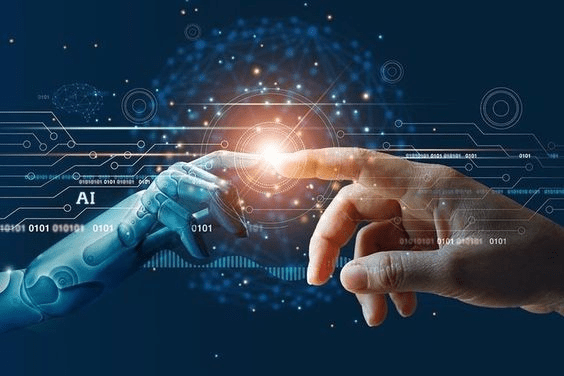
The Role of AI in Information Technology
AI in information technology refers to the integration of artificial intelligence systems into IT infrastructure and applications. This includes everything from automating routine tasks to enhancing data analysis and improving cybersecurity measures. The presence of AI in information technology is reshaping the IT landscape in numerous ways:
Automation and Efficiency
One of the most prominent benefits of AI in information technology is its ability to automate repetitive and time-consuming tasks. AI-driven tools can handle tasks such as data entry, system monitoring, and troubleshooting with minimal human intervention. This automation leads to significant time savings and allows IT professionals to focus on more complex and strategic activities.
For instance, AI-powered chatbots can manage user queries and provide support around the clock, reducing the need for human customer service representatives. Similarly, AI can automate software testing and deployment processes, making it easier for organizations to release updates and new features more efficiently.
Enhanced Data Analysis
Data is a critical asset in the modern digital world, and AI plays a crucial role in harnessing its power. AI in information technology enables advanced data analysis by processing vast amounts of data at high speeds. Machine learning algorithms can uncover patterns, trends, and insights that might be missed by traditional data analysis methods.
For example, AI can analyze user behavior data to personalize user experiences on websites and applications. This personalization can lead to increased user engagement and satisfaction. Moreover, AI-driven analytics tools can provide predictive insights that help businesses make informed decisions and forecast future trends.
Improved Cybersecurity
Cybersecurity is a major concern for organizations of all sizes, and AI in information technology is making strides in addressing these challenges. AI-driven security systems can detect and respond to threats in real time, identifying unusual patterns or behaviors that may indicate a security breach.
Machine learning algorithms can analyze network traffic and detect anomalies that could signal a potential cyber attack. Additionally, AI can automate the process of updating and patching software vulnerabilities, reducing the window of opportunity for malicious actors to exploit weaknesses.
Challenges and Considerations
While the benefits of AI in information technology are substantial, there are also challenges that organizations must address. Understanding these challenges is crucial for successfully implementing AI solutions:
Data Privacy and Security
As AI systems handle and analyze large volumes of data, ensuring data privacy and security becomes paramount. Organizations must implement robust measures to protect sensitive information from unauthorized access and breaches. Compliance with data protection regulations, such as GDPR, is essential to maintain user trust and avoid legal repercussions.
Integration with Existing Systems
Integrating AI into existing IT infrastructure can be complex. Organizations may face challenges related to compatibility, data migration, and system performance. Proper planning and a phased approach to integration can help mitigate these issues and ensure a smooth transition.
Ethical Considerations
The use of AI raises ethical questions, particularly regarding decision-making and bias. It is important for organizations to ensure that AI systems are designed and implemented in a way that minimizes bias and ensures fairness. Transparency in AI decision-making processes and regular audits can help address ethical concerns and build trust with users.
The Future of AI in Information Technology
The future of AI in information technology holds exciting possibilities. As AI technology continues to evolve, we can expect even more advanced applications and innovations. Some potential future developments include:
AI-Driven Innovation
AI will likely drive further innovation in information technology by enabling the creation of new tools and technologies. From autonomous systems to advanced natural language processing, AI will continue to push the boundaries of what is possible in IT.
Increased Collaboration Between AI and Humans
The collaboration between AI and human expertise will become increasingly important. AI can handle routine tasks and analyze data, while humans can provide the creativity, judgment, and strategic thinking needed to make the most of AI’s capabilities. This synergy will enhance productivity and drive new solutions.
Conclusion
AI in information technology is transforming the way we approach data, automation, and security. Its impact is profound, offering numerous benefits while also presenting challenges that organizations must navigate. As AI technology continues to advance, its role in information technology will only grow, leading to new innovations and opportunities. Embracing AI and understanding its potential will be key to staying competitive and achieving success in the digital age.
 Tech blog
Leave a comment