Introduction: Revolutionizing the Guest Experience with AI in Hospitality
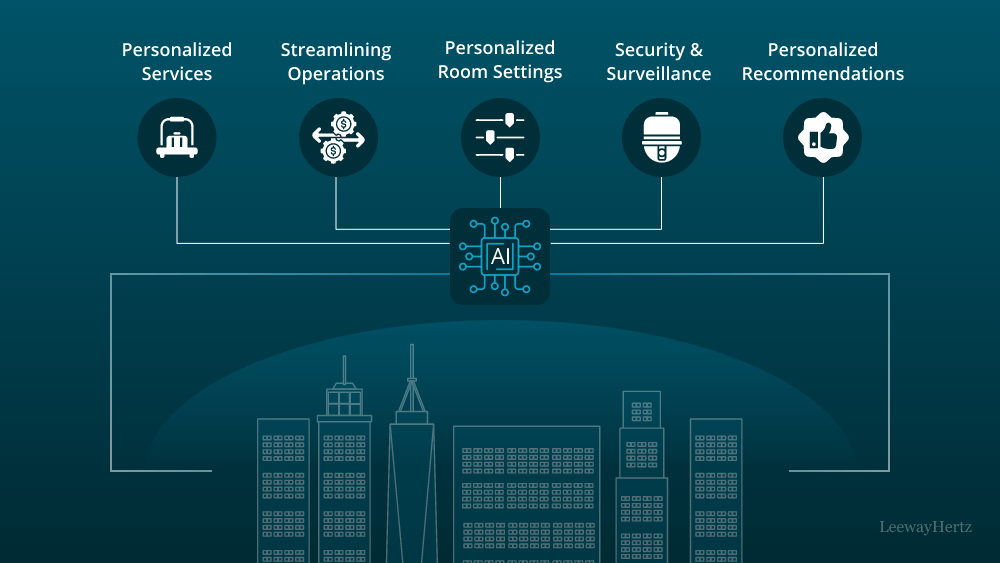
The hospitality industry is undergoing a significant transformation with the integration of artificial intelligence (AI). From enhancing guest experiences to streamlining operations, AI in hospitality is proving to be a game-changer. This article explores how AI is reshaping the hospitality sector, making it more efficient and guest-friendly.
Personalized Guest Experiences
One of the most notable impacts of AI in hospitality is the ability to provide personalized guest experiences. AI-driven systems analyze vast amounts of data from guest interactions and preferences, allowing hotels to offer tailored services. For example, AI can suggest activities, dining options, and amenities based on a guest’s previous stays and preferences.
Hotels use AI chatbots to interact with guests before, during, and after their stay. These chatbots can handle inquiries, make reservations, and provide local information, all while learning from each interaction to improve future responses. This level of personalization enhances guest satisfaction and loyalty, as guests feel valued and understood.
Streamlining Operations with AI
AI in hospitality extends beyond guest interactions. It also plays a crucial role in streamlining hotel operations. AI-powered systems can manage reservations, optimize pricing strategies, and predict maintenance needs. By analyzing booking patterns and market trends, AI helps hotels maximize occupancy rates and revenue.
Housekeeping and maintenance are other areas where AI proves beneficial. Predictive maintenance, powered by AI, ensures that equipment is serviced before it breaks down, reducing downtime and repair costs. Additionally, AI-driven housekeeping schedules can optimize staff deployment, ensuring rooms are cleaned efficiently and ready for guests promptly.
Enhancing Security and Safety
Security and safety are paramount in the hospitality industry. AI in hospitality enhances these aspects through advanced surveillance systems and anomaly detection. AI-powered cameras can monitor hotel premises in real-time, identifying unusual activities and alerting security personnel immediately.
Furthermore, AI can assist in emergency situations by providing real-time data and predictive analytics. For example, in the event of a fire, AI systems can quickly identify the safest evacuation routes and communicate this information to guests and staff, potentially saving lives.
Efficient Customer Service
AI in hospitality significantly improves customer service efficiency. Virtual assistants and AI chatbots are available 24/7 to answer guest queries, manage bookings, and provide concierge services. This not only reduces the workload on human staff but also ensures that guests receive prompt and accurate responses at any time of the day.
AI can also manage guest feedback and reviews. By analyzing feedback from various sources, AI systems can identify common issues and areas for improvement. This allows hotels to address problems swiftly and enhance their services based on real-time data.
Energy Management and Sustainability
Sustainability is becoming increasingly important in the hospitality industry, and AI is playing a vital role in promoting eco-friendly practices. AI in hospitality helps manage energy consumption efficiently. Smart thermostats and lighting systems, powered by AI, adjust settings based on occupancy and usage patterns, reducing energy waste.
AI can also optimize water usage and waste management in hotels. By monitoring usage patterns and identifying areas of waste, AI systems can suggest measures to conserve resources, contributing to the overall sustainability goals of the hospitality industry.
Data-Driven Decision Making
The vast amount of data generated in the hospitality industry can be overwhelming. AI in hospitality simplifies data analysis, turning raw data into actionable insights. By leveraging AI, hotels can make data-driven decisions that enhance guest experiences and improve operational efficiency.
Revenue management is one area where data-driven decision making is particularly beneficial. AI algorithms analyze market trends, competitor pricing, and booking data to recommend optimal pricing strategies. This ensures that hotels remain competitive while maximizing revenue.
Challenges and Future Prospects
While the benefits of AI in hospitality are significant, there are challenges to consider. Data privacy and security are critical issues, as hotels handle sensitive guest information. Ensuring compliance with data protection regulations is essential to maintaining guest trust.
Additionally, the integration of AI requires substantial investment in technology and training. Hotels must be prepared to invest in AI infrastructure and upskill their staff to work alongside AI systems effectively.
Looking ahead, the future of AI in hospitality is promising. As technology advances, AI will become even more sophisticated, offering deeper insights and more personalized experiences. The continuous improvement of AI algorithms will further enhance operational efficiency and guest satisfaction.
Conclusion: The Path Forward
AI in hospitality is revolutionizing the industry, offering numerous benefits from personalized guest experiences to efficient operations and enhanced security. By embracing AI, the hospitality sector can stay competitive and meet the evolving expectations of modern travelers. As hotels continue to integrate AI, the future of hospitality looks brighter, smarter, and more guest-centric than ever before.
 Tech blog
Leave a comment