In today’s world, the demand for large language models (LLMs) has soared, with applications ranging from chatbots to automated content creation. Building a private LLM can give you the flexibility and control needed to tailor the model to your specific needs. This guide will walk you through how to build a private LLM, ensuring that your approach is both effective and efficient.
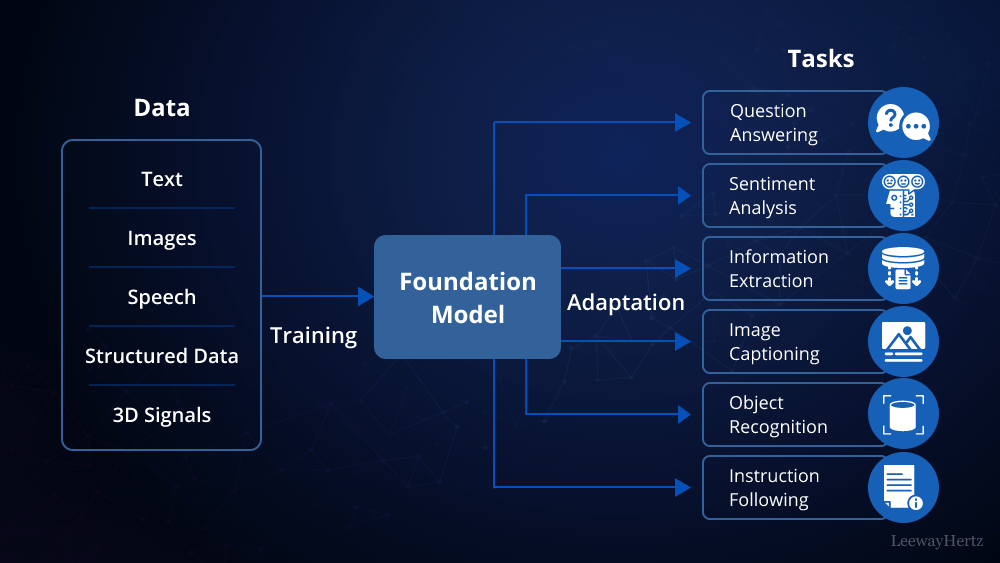
Understanding the Basics
Before diving into the steps of how to build a private LLM, it’s essential to understand what an LLM is and why you might want a private one.
What is a Large Language Model (LLM)?
An LLM is a type of artificial intelligence designed to understand and generate human-like text based on large datasets. These models can perform various tasks such as translation, summarization, and question-answering.
Why Build a Private LLM?
Building a private LLM allows you to customize the model to your specific requirements, ensure data privacy, and maintain control over your intellectual property.
Step-by-Step Guide on How to Build a Private LLM
Now, let’s delve into the step-by-step process of how to build a private LLM.
Step 1: Define Your Objectives
Before starting, clearly define what you want to achieve with your private LLM. Are you looking to create a specialized chatbot, automate customer support, or generate specific types of content? Knowing your objectives will help guide the training and fine-tuning process.
Step 2: Collect and Prepare Data
Data is the backbone of any LLM. To build a private LLM, you need a large and diverse dataset that is relevant to your objectives.
- Data Collection: Gather text data from various sources such as websites, books, articles, and internal documents. Ensure that the data is relevant and comprehensive.
- Data Cleaning: Clean the data by removing any irrelevant information, correcting errors, and standardizing formats. This step is crucial to ensure the quality of your LLM.
Step 3: Choose the Right Framework
Selecting the appropriate framework is a critical step in how to build a private LLM. Popular frameworks include TensorFlow, PyTorch, and Hugging Face’s Transformers. These frameworks provide tools and libraries that make building and training LLMs more manageable.
Step 4: Preprocess the Data
Data preprocessing involves tokenizing the text, converting it into a format that the model can understand, and splitting it into training and validation sets.
- Tokenization: Break down the text into smaller units (tokens) such as words or subwords.
- Encoding: Convert tokens into numerical values that the model can process.
- Splitting: Divide the data into training and validation sets to ensure the model can generalize well.
Step 5: Train the Model
Training the model is the most computationally intensive step in how to build a private LLM. It involves feeding the preprocessed data into the model and adjusting the model’s parameters to minimize errors.
- Model Architecture: Choose an appropriate architecture for your LLM. Transformer-based architectures like GPT and BERT are popular choices.
- Training Process: Use GPUs or TPUs to accelerate the training process. Monitor the training progress and make adjustments as needed.
Step 6: Fine-Tune the Model
After the initial training, fine-tune the model on a more specific dataset that closely aligns with your objectives. This step helps the model to perform better on your particular tasks.
Step 7: Evaluate the Model
Evaluation is a crucial part of how to build a private LLM. Test the model’s performance on a separate validation set and use metrics like accuracy, precision, recall, and F1-score to assess its effectiveness.
Step 8: Deploy the Model
Once you are satisfied with the model’s performance, deploy it in a controlled environment. Ensure that the deployment process includes proper security measures to protect your data and intellectual property.
Step 9: Monitor and Maintain the Model
Continuous monitoring and maintenance are vital to ensure the model’s performance remains optimal. Update the model regularly with new data and retrain it to adapt to changing requirements.
Conclusion
Building a private LLM can be a rewarding endeavor that provides significant advantages in terms of customization and control. By following this guide on how to build a private LLM, you can create a powerful tool tailored to your specific needs. Remember, the key to success lies in careful planning, meticulous data preparation, and continuous monitoring and improvement of the model.
 Tech blog
Leave a comment