In today’s rapidly evolving digital landscape, businesses are increasingly turning to advanced technologies to gain a competitive edge. One such transformative technology is the Enterprise Generative AI Platform. This article explores what these platforms entail, their significance in enterprise environments, and how they foster innovation across industries.
Understanding Enterprise Generative AI Platforms
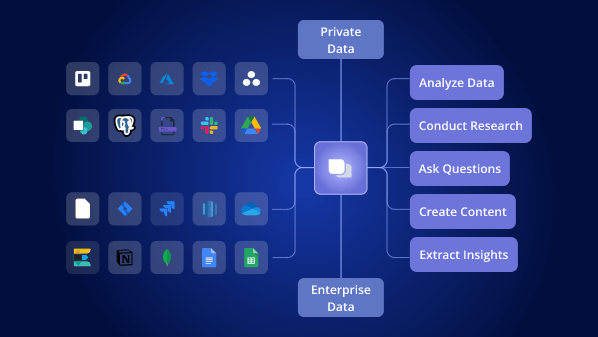
Enterprise Generative AI Platforms represent a pivotal advancement in artificial intelligence tailored specifically for large-scale business applications. Unlike traditional AI systems that rely on predefined rules and datasets, generative AI platforms harness the power of machine learning to create new content, solutions, and insights autonomously. These platforms integrate various AI capabilities such as natural language processing, computer vision, and predictive analytics to enable businesses to automate complex tasks, enhance decision-making processes, and drive innovation.
Key Features and Capabilities
The hallmark of Enterprise Generative AI Platforms lies in their multifaceted capabilities:
- Natural Language Generation (NLG): NLG enables the automatic generation of human-like text, transforming raw data into coherent narratives. This capability is instrumental in creating personalized customer communications, generating reports, and even drafting legal documents with accuracy and efficiency.
- Computer Vision and Image Generation: By leveraging computer vision algorithms, these platforms can analyze and interpret visual content. They facilitate tasks such as quality control in manufacturing, automated visual inspection, and the generation of realistic images based on textual descriptions.
- Predictive Analytics and Decision Support: Advanced analytics capabilities enable predictive modeling and forecasting based on historical data. This empowers enterprises to anticipate market trends, optimize resource allocation, and make data-driven decisions swiftly.
- Adaptive Learning and Continuous Improvement: Through machine learning algorithms, these platforms continuously learn from new data inputs and user interactions. This adaptive learning capability enhances accuracy over time, ensuring that recommendations and outputs remain relevant and precise.
Applications Across Industries
The versatility of Enterprise Generative AI Platforms transcends industry boundaries, revolutionizing operations in various sectors:
- Healthcare: Facilitating medical diagnostics, personalized treatment plans, and drug discovery through analysis of vast datasets.
- Finance: Enhancing fraud detection, algorithmic trading strategies, and customer service through real-time data analysis and predictive insights.
- Retail and E-commerce: Optimizing inventory management, personalized marketing campaigns, and customer experience through AI-driven recommendations and visual search capabilities.
- Manufacturing: Improving product design, quality control processes, and supply chain management with automated inspection and predictive maintenance.
Challenges and Considerations
Despite their transformative potential, the adoption of Enterprise Generative AI Platforms poses several challenges:
- Data Privacy and Security: Handling sensitive information responsibly and ensuring compliance with regulatory frameworks such as GDPR.
- Ethical Use of AI: Addressing concerns related to bias in AI models, transparency in decision-making processes, and accountability for AI-generated content.
- Integration Complexity: Seamlessly integrating AI platforms with existing IT infrastructure and workflows without disruptions.
Future Outlook and Opportunities
Looking ahead, the evolution of Enterprise Generative AI Platforms promises continued innovation and disruption across industries. As these technologies mature, businesses can expect:
- Greater Operational Efficiency: Streamlining of processes through automation and AI-driven insights.
- Enhanced Customer Engagement: Personalized experiences and proactive service delivery.
- Accelerated Innovation Cycles: Rapid prototyping and iterative development fueled by AI-generated insights.
Conclusion
Enterprise Generative AI Platforms represent more than just a technological advancement; they are catalysts for organizational transformation and competitive differentiation. By harnessing the power of generative AI, businesses can unlock new opportunities, streamline operations, and deliver unparalleled value to customers. As adoption continues to grow, enterprises must navigate challenges judiciously while leveraging the full potential of these platforms to shape the future of business and industry.
 Tech blog
Leave a comment