Introduction
In the fast-paced world of logistics, efficiency and precision are paramount. As industries strive to streamline operations and meet ever-increasing demands, the integration of cutting-edge technologies has become crucial. Among these, Generative AI stands out as a transformative force, promising to reshape how logistics companies manage everything from supply chain optimization to predictive maintenance.
Understanding Generative AI in Logistics
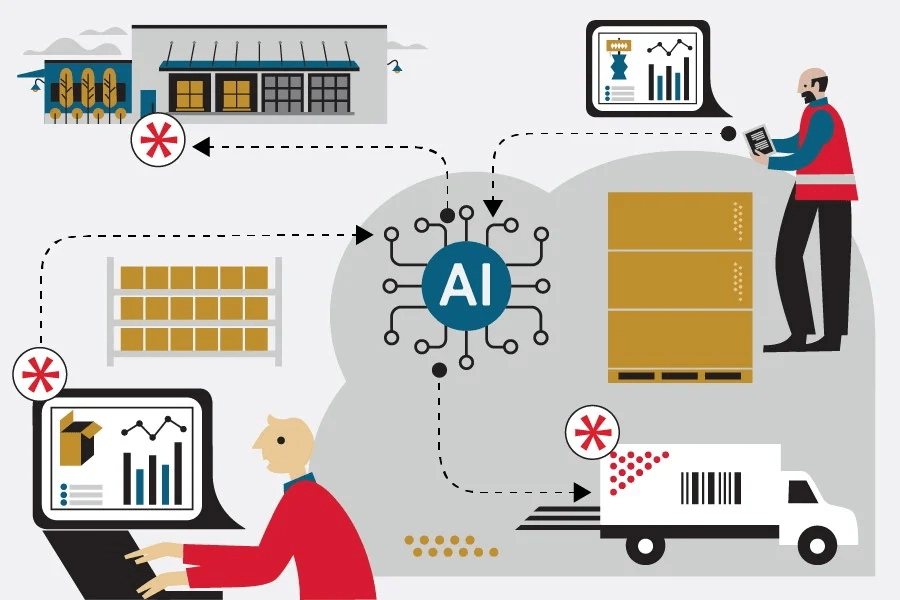
Generative AI refers to technology that enables machines to generate content autonomously based on input data and learned patterns. In logistics, this capability translates into systems that can analyze vast amounts of data, predict outcomes, and even suggest optimal solutions without human intervention.
Enhancing Supply Chain Management
One of the most significant applications of Generative AI in logistics lies in supply chain management. Traditionally, managing supply chains involved complex calculations and manual oversight. Generative AI platforms, however, can analyze historical data, current market trends, and external factors in real-time to predict demand fluctuations accurately. This predictive capability allows companies to optimize inventory levels, minimize stockouts, and reduce costs associated with overstocking.
Route Optimization and Fleet Management
Efficient transportation is at the heart of logistics. Generative AI platforms excel in optimizing routes and managing fleets by considering variables such as traffic patterns, weather conditions, and delivery deadlines. By continuously learning from data inputs and adjusting strategies accordingly, these platforms help logistics companies reduce fuel consumption, lower carbon footprints, and improve delivery timelines.
Predictive Maintenance and Asset Management
Maintaining a fleet of vehicles and equipment is a costly endeavor for logistics providers. Generative AI platforms can predict equipment failures before they occur by analyzing sensor data and historical maintenance records. By identifying potential issues early, companies can schedule maintenance proactively, minimize downtime, and extend the lifespan of their assets.
Improving Customer Experience
In logistics, meeting customer expectations for timely and accurate deliveries is crucial for retaining business. Generative AI platforms contribute to improved customer experiences by optimizing delivery routes, providing accurate ETAs, and offering real-time updates. This transparency builds trust and loyalty among customers, enhancing overall satisfaction.
Real-World Applications and Success Stories
Several logistics giants have already embraced Generative AI to great success. For instance, a leading e-commerce company uses AI-powered algorithms to optimize delivery routes, resulting in significant reductions in delivery times and costs. Similarly, a global shipping company utilizes Generative AI for predictive maintenance, ensuring its vessels remain operational with minimal downtime.
Overcoming Challenges and Future Outlook
While Generative AI offers substantial benefits, its implementation in logistics isn’t without challenges. Issues such as data privacy concerns, integration with existing systems, and the need for skilled AI professionals must be addressed. Looking forward, advancements in AI technology will likely lead to even more sophisticated applications in logistics, further enhancing efficiency and driving innovation across the industry.
Conclusion
Generative AI platforms are revolutionizing the logistics industry by enabling predictive insights, optimizing operations, and improving overall efficiency. As companies continue to harness the power of AI-driven solutions, the future of logistics looks promising with faster deliveries, reduced costs, and enhanced customer satisfaction. Embracing Generative AI isn’t just about staying competitive—it’s about redefining what’s possible in the world of logistics. By leveraging these technologies wisely, companies can pave the way for a smarter, more efficient logistics ecosystem.
 Tech blog
Leave a comment