In today’s fiercely competitive business landscape, leveraging Artificial Intelligence (AI) for competitive analysis has become more than just a trend—it’s a strategic imperative. Businesses across industries are harnessing the power of AI to gain crucial insights into their competitors’ strategies, market positioning, and customer behavior. This article explores how AI is transforming competitive analysis, offering clear and actionable strategies for businesses to stay ahead.
Understanding AI’s Role in Competitive Analysis
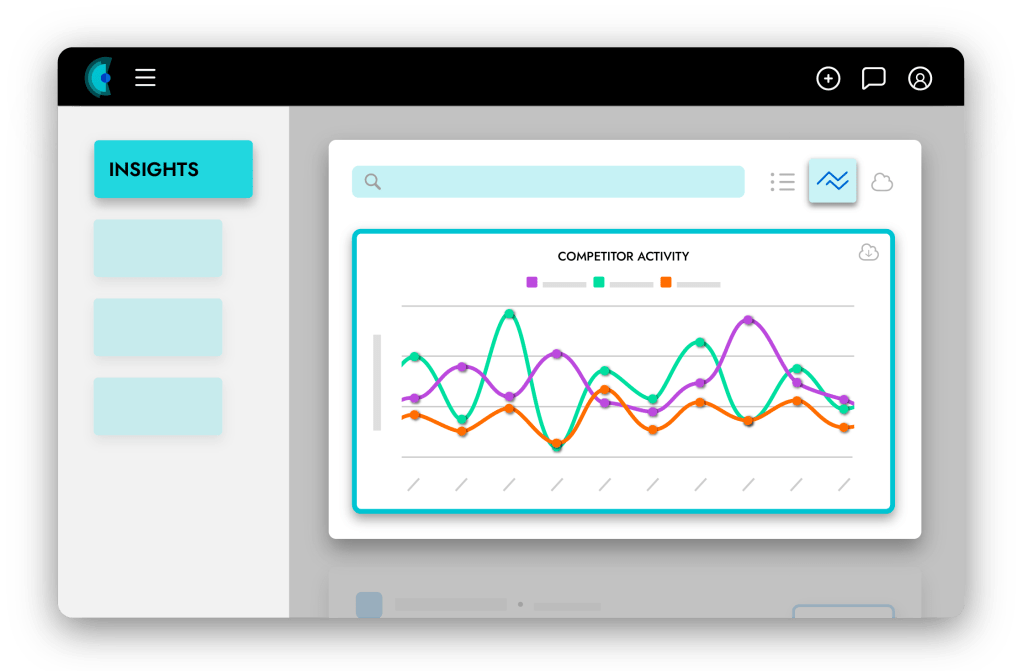
AI in competitive analysis is revolutionizing by enabling businesses to sift through vast amounts of data quickly and efficiently. Traditional methods often struggle to handle the sheer volume and complexity of data available today. AI, however, excels in processing and analyzing structured and unstructured data from multiple sources, including social media, news articles, customer reviews, and financial reports. By employing machine learning algorithms, AI can identify patterns, trends, and correlations that human analysts might overlook, providing a comprehensive view of competitors’ activities and strategies.
Harnessing Big Data for Strategic Insights
One of AI’s greatest strengths lies in its ability to analyze big data. By aggregating and analyzing data from disparate sources, AI can uncover valuable insights about competitors’ product launches, pricing strategies, customer sentiment, and market reactions. For instance, AI-powered sentiment analysis can gauge public opinion about competitors’ products or services in real-time, helping businesses anticipate market trends and consumer preferences.
Predictive Analytics: Anticipating Competitors’ Moves
Predictive analytics powered by AI enables businesses to forecast competitors’ actions and market dynamics with greater accuracy. By analyzing historical data and current trends, AI algorithms can predict potential competitive threats, market disruptions, or emerging opportunities. This foresight empowers businesses to proactively adjust their strategies, optimize resource allocation, and seize competitive advantages before rivals do.
Competitive Intelligence Automation
AI streamlines the process of competitive intelligence gathering and analysis through automation. Tasks such as data collection, categorization, and initial analysis can be automated, freeing up human analysts to focus on interpreting insights and formulating strategic responses. This not only accelerates decision-making but also reduces the margin for error, as AI-driven analytics are less prone to bias and human oversight.
Real-Time Monitoring and Alerts
In the fast-paced world of business, timely information can make the difference between seizing an opportunity and missing out. AI enables real-time monitoring of competitors’ activities, market trends, and industry developments. Automated alerts can notify decision-makers of significant changes or events, allowing for swift adjustments to strategies or tactics. This agility is invaluable in dynamic industries where competitive landscapes can shift rapidly.
Enhancing Competitive Positioning and Differentiation
AI empowers businesses to refine their competitive positioning and differentiation strategies. By benchmarking against competitors’ strengths and weaknesses, businesses can identify gaps in the market, areas for innovation, or opportunities to emphasize their unique value propositions. AI-driven insights provide a nuanced understanding of competitors’ positioning strategies, enabling businesses to craft more effective marketing campaigns and product offerings that resonate with target audiences.
Ethical Considerations and Data Privacy
While AI offers immense potential for competitive analysis, it also raises ethical considerations regarding data privacy and usage. Businesses must prioritize ethical AI practices, ensuring transparency in data collection and usage, protecting consumer privacy, and complying with regulations such as GDPR and CCPA. By adopting responsible AI frameworks, businesses can build trust with customers and stakeholders while harnessing the full potential of AI for competitive advantage.
The Future of AI in Competitive Analysis
Looking ahead, AI’s role in competitive analysis is poised to expand further. Advances in natural language processing, image recognition, and predictive modeling will enhance AI’s ability to extract insights from diverse data sources and interpret complex patterns. Integrating AI with other emerging technologies like blockchain and IoT could create synergies for deeper competitive insights and operational efficiencies.
Conclusion
In conclusion, AI is reshaping competitive analysis by enabling businesses to access deeper insights, anticipate market trends, and enhance strategic decision-making. By leveraging AI-driven analytics, businesses can stay ahead of competitors, capitalize on opportunities, and navigate challenges with greater agility and precision. As AI continues to evolve, its transformative impact on competitive analysis will only grow, making it essential for businesses to embrace AI as a cornerstone of their strategic toolkit.
 Tech blog
Leave a comment