Predictive maintenance is an essential aspect of modern industry, ensuring equipment operates efficiently and minimizing downtime. The integration of Artificial Intelligence (AI) in predictive maintenance is transforming the way industries manage and maintain their assets. This article explores the significance of AI in predictive maintenance, its benefits, and how it is reshaping various sectors.
What is Predictive Maintenance?
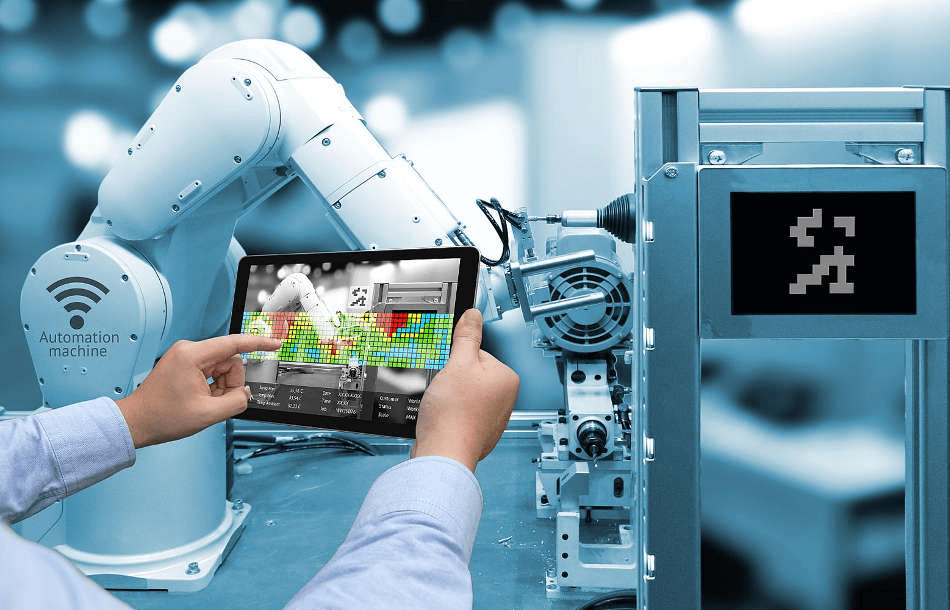
Predictive maintenance involves monitoring equipment performance in real-time to predict and prevent potential failures before they occur. Traditional maintenance methods, such as reactive and preventive maintenance, either wait for a breakdown or follow a fixed schedule, often leading to inefficiencies. Predictive maintenance, on the other hand, uses data-driven insights to foresee issues and schedule maintenance only when necessary.
The Role of AI in Predictive Maintenance
AI in predictive maintenance leverages machine learning algorithms, data analytics, and IoT (Internet of Things) devices to collect and analyze data from equipment. This data includes temperature, vibration, pressure, and other performance indicators. By processing this vast amount of information, AI systems can identify patterns and anomalies that human operators might miss, predicting potential failures with remarkable accuracy.
Benefits of AI in Predictive Maintenance
1. Enhanced Accuracy and Precision
AI algorithms can analyze large datasets and detect subtle patterns, leading to more accurate predictions of equipment failures. This precision ensures that maintenance activities are conducted only when necessary, reducing unnecessary maintenance and associated costs.
2. Reduced Downtime and Increased Equipment Lifespan
By predicting failures before they happen, AI in predictive maintenance helps avoid unplanned downtime, which can be costly for industries. Scheduled maintenance can be performed during non-peak hours, minimizing disruption to operations. Additionally, timely maintenance extends the lifespan of equipment, providing long-term cost savings.
3. Cost Efficiency
Traditional maintenance approaches often lead to over-maintenance or under-maintenance. Over-maintenance results in unnecessary expenses, while under-maintenance increases the risk of sudden failures. AI-driven predictive maintenance strikes a balance by ensuring maintenance is performed only when needed, optimizing maintenance costs.
4. Improved Safety
AI in predictive maintenance enhances safety by identifying potential failures that could lead to hazardous situations. By addressing these issues proactively, companies can protect their workforce and avoid accidents.
How AI is Transforming Various Sectors
1. Manufacturing
In manufacturing, equipment downtime can disrupt production schedules and result in significant financial losses. AI in predictive maintenance helps manufacturers monitor machinery health, predict failures, and schedule maintenance during planned downtime, ensuring smooth production processes.
2. Energy Sector
The energy sector, including power plants and renewable energy installations, relies heavily on machinery and equipment. Predictive maintenance powered by AI ensures these assets operate efficiently, reducing the risk of power outages and optimizing energy production.
3. Transportation and Logistics
For transportation and logistics companies, vehicle reliability is crucial. AI systems can predict when a vehicle is likely to need maintenance, preventing breakdowns and ensuring timely deliveries. This improves customer satisfaction and reduces operational costs.
4. Healthcare
In healthcare, maintaining medical equipment is vital for patient safety. AI-driven predictive maintenance ensures medical devices are functioning correctly, reducing the risk of equipment failure during critical procedures.
Challenges and Considerations
While the benefits of AI in predictive maintenance are substantial, there are challenges to consider. Implementing AI systems requires significant investment in technology and training. Companies must also ensure data security and privacy, as sensitive operational data is collected and analyzed. Moreover, the integration of AI in existing maintenance processes requires careful planning and coordination.
The Future of AI in Predictive Maintenance
The future of AI in predictive maintenance looks promising. Advancements in AI technologies, such as deep learning and neural networks, will further enhance the accuracy of predictions. Integration with other emerging technologies, like augmented reality (AR) and virtual reality (VR), could provide maintenance personnel with real-time guidance and diagnostics.
Moreover, as more industries adopt AI in predictive maintenance, the collective data will contribute to more refined and effective predictive models. This collaborative approach will drive continuous improvement and innovation in maintenance practices.
Conclusion
AI in predictive maintenance is revolutionizing the way industries manage their equipment and assets. By leveraging advanced data analytics and machine learning, AI provides accurate predictions, reduces downtime, optimizes maintenance costs, and enhances safety. While there are challenges to overcome, the benefits of AI in predictive maintenance are undeniable. As technology continues to evolve, AI will play an increasingly vital role in ensuring the efficiency and reliability of industrial operations.
 Tech blog
Leave a comment