Debt collection has always been a challenging industry, fraught with complexities and regulatory requirements. However, the advent of Artificial Intelligence (AI) is revolutionizing the field, making the process more efficient, effective, and customer-friendly. This article explores how AI in debt collection is transforming traditional practices, the benefits it offers, and what the future holds for this sector.
The Rise of AI in Debt Collection
In recent years, AI has been making significant inroads into various industries, and debt collection is no exception. Traditional debt collection methods often involve manual processes, which can be time-consuming and prone to human error. AI, with its ability to analyze vast amounts of data quickly and accurately, offers a more streamlined approach.
How AI is Transforming Debt Collection
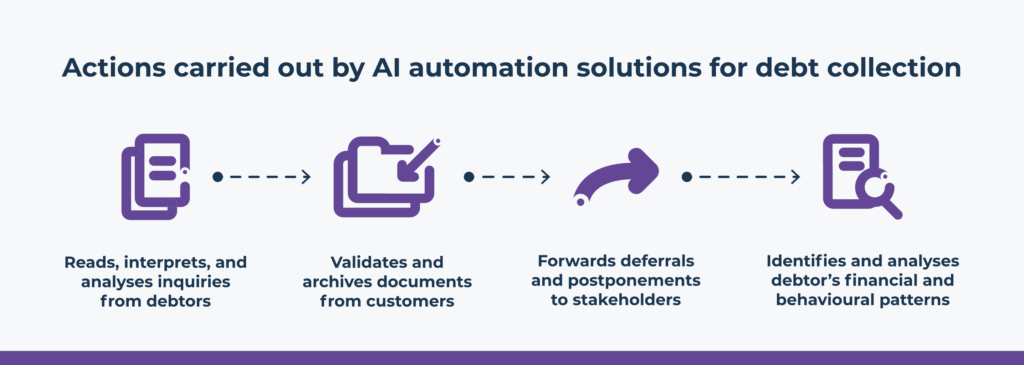
AI in debt collection brings several transformative changes to the industry. Here are some of the key ways AI is being utilized:
1. Predictive Analytics
AI uses predictive analytics to assess a debtor’s likelihood of repaying their debt. By analyzing historical data and identifying patterns, AI algorithms can predict which debtors are more likely to pay and which ones might need more encouragement. This allows debt collectors to prioritize their efforts and resources effectively.
2. Automated Communication
One of the most significant benefits of AI in debt collection is the automation of communication. AI-powered chatbots and virtual assistants can handle a large volume of interactions with debtors, providing consistent and timely responses. These AI systems can answer common queries, send payment reminders, and even negotiate payment plans, all without human intervention.
3. Sentiment Analysis
AI systems are capable of performing sentiment analysis to gauge the emotional state of a debtor during interactions. This analysis helps in tailoring the communication approach, ensuring that the messages are empathetic and considerate. Sentiment analysis can also detect signs of distress or frustration, allowing for timely intervention by a human agent if necessary.
4. Compliance and Risk Management
Debt collection is heavily regulated, and non-compliance can result in severe penalties. AI helps ensure that all communications and actions are in line with legal requirements. By continuously monitoring and analyzing interactions, AI systems can flag potential compliance issues before they escalate. This proactive approach minimizes risk and protects the organization from legal repercussions.
Benefits of AI in Debt Collection
The integration of AI in debt collection offers numerous benefits, making the process more efficient and effective for both collectors and debtors.
1. Increased Efficiency
AI systems can handle repetitive and time-consuming tasks, freeing up human agents to focus on more complex issues. This increased efficiency leads to faster resolution of cases and improved recovery rates.
2. Cost Reduction
Automating various aspects of debt collection reduces the need for a large workforce, resulting in significant cost savings. Additionally, AI-driven processes tend to be more accurate, reducing the costs associated with errors and rework.
3. Enhanced Customer Experience
AI in debt collection can lead to a more positive experience for debtors. Automated systems can provide 24/7 support, offering flexibility and convenience. Furthermore, AI’s ability to personalize interactions based on data analysis ensures that debtors receive relevant and empathetic communication.
4. Data-Driven Decisions
AI provides valuable insights through data analysis, enabling debt collection agencies to make informed decisions. By understanding debtor behavior and trends, agencies can develop more effective strategies for debt recovery.
Challenges and Considerations
While AI offers significant advantages, its implementation in debt collection is not without challenges. It’s essential to address these issues to ensure a smooth transition and effective utilization of AI.
1. Data Privacy and Security
The use of AI in debt collection involves handling sensitive personal information. Ensuring data privacy and security is paramount. Organizations must implement robust security measures to protect data and comply with regulations like GDPR and CCPA.
2. Integration with Existing Systems
Integrating AI with existing debt collection systems can be complex and require significant investment. It’s crucial to have a well-thought-out implementation plan and work with experienced technology partners to ensure seamless integration.
3. Ethical Considerations
AI-driven debt collection must be conducted ethically. It’s important to maintain transparency with debtors about the use of AI and ensure that automated processes do not lead to unfair treatment or harassment.
The Future of AI in Debt Collection
The future of AI in debt collection looks promising. As AI technology continues to evolve, we can expect even more sophisticated tools and systems that further enhance efficiency and effectiveness. Future developments may include advanced predictive models, deeper integration with financial systems, and enhanced AI-human collaboration.
Conclusion
AI in debt collection is revolutionizing the industry by bringing increased efficiency, cost reduction, and improved customer experience. While there are challenges to address, the benefits far outweigh the drawbacks. As technology advances, the role of AI in debt collection will only grow, paving the way for a more efficient and customer-friendly approach to debt recovery.
 Tech blog
Leave a comment