Introduction
In today’s rapidly evolving financial landscape, technology plays a pivotal role in reshaping traditional industries. One such sector undergoing a profound transformation is wealth management. With the advent of Artificial Intelligence (AI), wealth management is experiencing a paradigm shift, offering unprecedented opportunities for both investors and financial advisors. This article delves into the transformative power of AI in wealth management, exploring its key applications, benefits, and potential challenges.
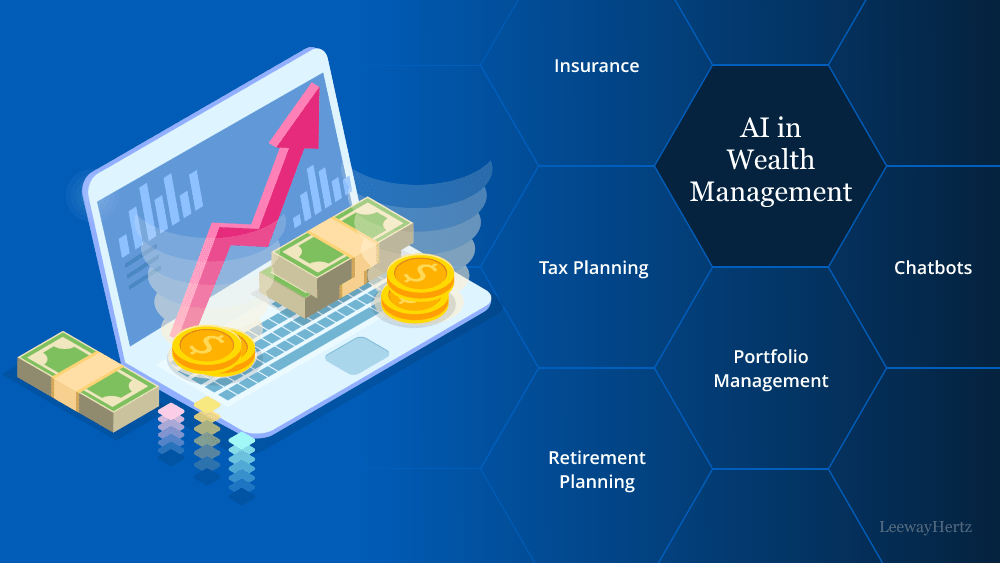
Understanding AI in Wealth Management
AI, the simulation of human intelligence processes by machines, has become a game-changer in wealth management. It encompasses various technologies such as machine learning, natural language processing (NLP), and predictive analytics to analyze vast amounts of data and derive actionable insights. In wealth management, AI enables financial institutions to enhance investment strategies, personalize client experiences, and optimize operational efficiency.
Enhanced Investment Strategies
One of the primary applications of AI in wealth management is the development of sophisticated investment strategies. By leveraging machine learning algorithms, financial institutions can analyze historical market data, identify patterns, and predict future market trends with remarkable accuracy. This predictive capability empowers wealth managers to make informed investment decisions, minimize risks, and maximize returns for their clients.
Personalized Client Experiences
AI revolutionizes client interactions by enabling personalized experiences tailored to individual needs and preferences. Through advanced data analytics and NLP, wealth management firms can gain deeper insights into client behavior, risk tolerance, and financial goals. This granular understanding allows advisors to offer customized investment recommendations, thereby fostering stronger client relationships and driving client satisfaction.
Optimized Operational Efficiency
In addition to improving investment strategies and client experiences, AI streamlines operational processes within wealth management firms. Automation of routine tasks, such as portfolio rebalancing, risk assessment, and compliance monitoring, reduces manual errors and frees up time for advisors to focus on high-value activities. Furthermore, AI-driven algorithms can identify inefficiencies in portfolio management and suggest optimizations, thereby enhancing overall operational efficiency.
Risk Management and Compliance
Effective risk management and regulatory compliance are paramount in wealth management. AI tools play a crucial role in identifying and mitigating risks associated with investment portfolios. By continuously monitoring market conditions and analyzing real-time data, AI systems can detect anomalies and alert advisors to potential risks, enabling proactive risk management strategies. Moreover, AI-powered compliance solutions streamline regulatory processes, ensuring adherence to industry regulations and safeguarding against legal and reputational risks.
Challenges and Considerations
While AI offers immense potential in wealth management, its widespread adoption is not without challenges. One such challenge is the ethical use of AI algorithms, particularly concerning data privacy and transparency. Wealth management firms must ensure that AI systems comply with data protection regulations and that clients fully understand how their data is being used.
Another challenge is the need for ongoing training and upskilling of wealth management professionals to effectively leverage AI technologies. As AI continues to evolve rapidly, it is essential for advisors to stay abreast of the latest developments and acquire the necessary skills to harness the full potential of AI in wealth management.
Moreover, there is a risk of overreliance on AI algorithms, leading to complacency and diminished human oversight. While AI can enhance decision-making processes, human judgment remains indispensable in interpreting complex data and adapting to unforeseen market conditions. Wealth management firms must strike a balance between AI-driven insights and human expertise to achieve optimal outcomes for their clients.
Future Outlook
Looking ahead, the future of AI in wealth management appears promising. As AI technologies mature and become more sophisticated, we can expect to see further innovations in areas such as predictive analytics, algorithmic trading, and robo-advisory services. Additionally, advancements in AI-driven natural language processing hold the potential to revolutionize client communication and engagement, enabling more seamless interactions between advisors and clients.
Furthermore, the democratization of AI tools and platforms is likely to empower a broader range of investors to access sophisticated wealth management solutions previously reserved for institutional clients. This democratization could democratize the wealth management landscape, fostering greater financial inclusion and empowering individuals to achieve their long-term financial goals.
Conclusion
In conclusion, AI is reshaping the wealth management industry, offering unparalleled opportunities for enhanced investment strategies, personalized client experiences, and optimized operational efficiency. While challenges such as ethical considerations and the need for ongoing education persist, the transformative power of AI in wealth management cannot be overstated. By embracing AI technologies responsibly and leveraging them effectively, wealth management firms can stay ahead of the curve and deliver superior outcomes for their clients in an increasingly complex and dynamic financial environment.
 Tech blog
Leave a comment