In today’s digital age, where transactions are conducted seamlessly over online platforms, the threat of fraud looms large. As technology advances, so do the methods used by malicious actors to exploit vulnerabilities in systems. However, just as technology has been used to perpetrate fraud, it is also being harnessed to combat it. One of the most promising advancements in this regard is the integration of Artificial Intelligence (AI) in fraud detection systems.
Understanding the Need for Advanced Fraud Detection
The stakes in fraud detection have never been higher. With trillions of dollars flowing through digital channels every year, businesses and financial institutions face significant risks from fraudulent activities such as identity theft, credit card fraud, and money laundering. Traditional rule-based fraud detection systems, while effective to some extent, often struggle to keep pace with the evolving tactics of fraudsters.
Enter AI: Transforming Fraud Detection Landscape
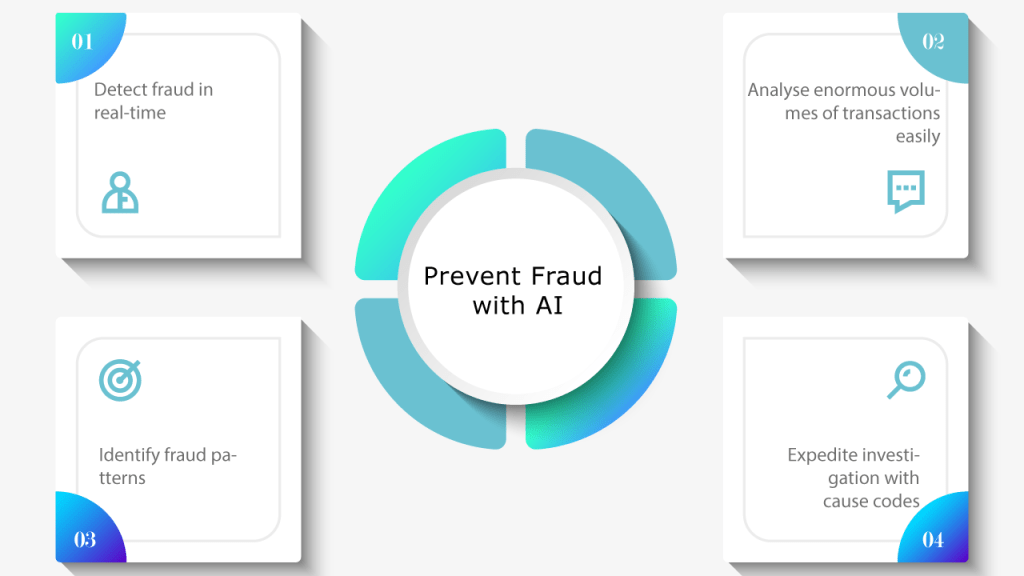
Artificial Intelligence, particularly in the form of machine learning algorithms, has emerged as a game-changer in the fight against fraud. By analyzing vast amounts of data and identifying patterns that may be indicative of fraudulent behavior, AI-powered systems can detect suspicious activities in real-time with a high degree of accuracy.
Machine Learning: The Backbone of AI Fraud Detection
At the heart of AI-based fraud detection lies machine learning, a subset of AI that enables systems to learn from data without being explicitly programmed. By training on historical transaction data, machine learning models can recognize complex patterns and anomalies that may signal fraudulent behavior. These models can then adapt and improve over time as they encounter new data, making them highly effective in detecting both known and emerging fraud schemes.
Key Benefits of AI in Fraud Detection
The integration of AI into fraud detection systems offers several key advantages:
1. Enhanced Accuracy and Efficiency
AI-powered algorithms can sift through vast amounts of data in real-time, quickly identifying fraudulent patterns that may go unnoticed by traditional methods. This increased efficiency not only improves detection rates but also reduces false positives, allowing businesses to focus their resources more effectively.
2. Adaptive Learning
Unlike static rule-based systems, AI-powered fraud detection systems can continuously learn and evolve based on new data and emerging threats. This adaptive learning capability enables them to stay ahead of fraudsters who are constantly devising new tactics to bypass security measures.
3. Comprehensive Fraud Detection
AI algorithms are capable of analyzing diverse types of data, including transaction history, user behavior, and even biometric information, to detect fraud across multiple channels and touchpoints. This holistic approach to fraud detection provides a more comprehensive view of potential risks, helping organizations prevent fraud before it occurs.
Real-World Applications of AI in Fraud Detection
The application of AI in fraud detection is not limited to any specific industry but spans across various sectors, including banking, e-commerce, healthcare, and insurance. Some notable examples include:
- Financial Services: Banks and financial institutions use AI-powered fraud detection systems to monitor transactions in real-time, flagging any suspicious activity for further investigation.
- E-commerce: Online retailers leverage AI algorithms to identify fraudulent transactions, such as account takeovers and payment fraud, thereby protecting both merchants and consumers from financial losses.
- Healthcare: AI-based fraud detection systems help healthcare providers identify instances of insurance fraud, such as billing for services not rendered or submitting false claims.
- Insurance: Insurance companies utilize AI to detect fraudulent claims by analyzing patterns in claim data and identifying inconsistencies that may indicate fraudulent activity.
The Future of AI in Fraud Detection
As technology continues to evolve, so too will the capabilities of AI in fraud detection. Future advancements may include the integration of advanced AI techniques such as deep learning and natural language processing, as well as the incorporation of blockchain technology for enhanced security and transparency.
With each innovation, AI-driven fraud detection systems will become more sophisticated and adept at staying ahead of evolving threats. By leveraging the power of AI, businesses and organizations can fortify their defenses against fraud, safeguarding their assets and preserving trust in digital transactions.
In conclusion, the integration of AI in fraud detection represents a significant leap forward in security measures, offering unparalleled accuracy, efficiency, and adaptability in identifying and preventing fraudulent activities. As businesses across industries embrace this technology, the battle against fraud will continue to tilt in favor of those armed with AI-powered defenses.
 Tech blog
Leave a comment