Introduction:
In recent years, artificial intelligence (AI) has emerged as a transformative force in various industries, and healthcare is no exception. With its ability to analyze vast amounts of data, detect patterns, and make predictions, AI is revolutionizing the way healthcare is delivered, improving patient outcomes, and optimizing operational efficiency. This article explores the significant strides AI has made in healthcare, its applications, challenges, and the promising future it holds.
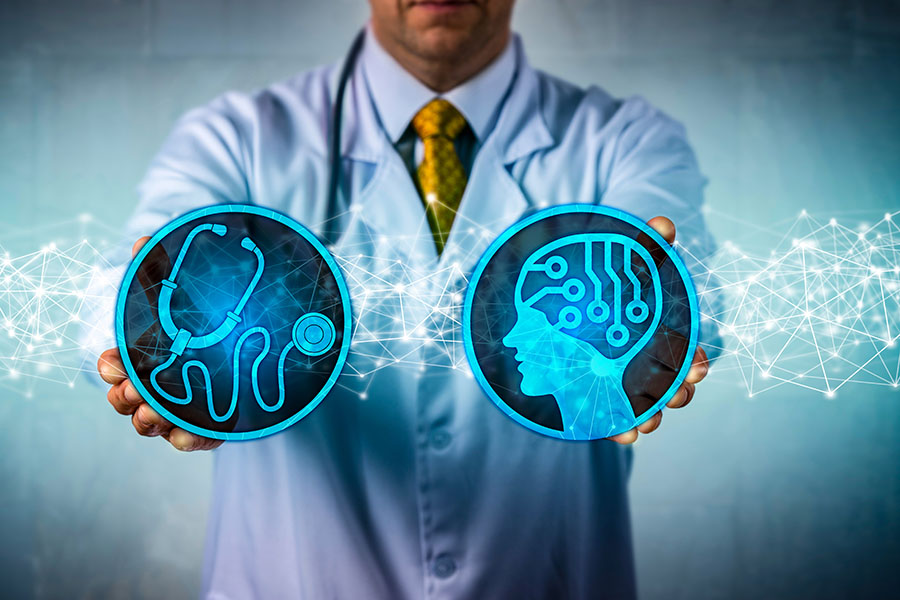
Understanding AI in Healthcare:
AI in healthcare refers to the use of advanced algorithms and software to emulate human cognition in the analysis, interpretation, and comprehension of complex medical and healthcare data. By leveraging machine learning, natural language processing, and deep learning techniques, AI systems can sift through large datasets, extract meaningful insights, and assist healthcare professionals in making informed decisions.
Applications of AI in Healthcare:
- Diagnostics and Imaging:
AI-powered diagnostic tools have shown remarkable accuracy in interpreting medical images such as X-rays, MRIs, and CT scans. These systems can detect abnormalities, tumors, fractures, and other anomalies with a high degree of precision, aiding radiologists in their diagnosis and treatment planning. - Personalized Medicine:
AI algorithms can analyze genetic data, patient history, and other relevant factors to tailor treatments to individual patients. This approach, known as personalized medicine, ensures that interventions are more effective and minimize adverse reactions, leading to better patient outcomes. - Predictive Analytics:
By analyzing patient data and historical trends, AI models can predict disease progression, identify at-risk individuals, and recommend preventive measures. This proactive approach enables healthcare providers to intervene early, potentially reducing hospitalizations and lowering healthcare costs. - Drug Discovery and Development:
AI accelerates the drug discovery process by analyzing vast databases of chemical compounds, predicting their biological activity, and identifying potential drug candidates. This streamlined approach can significantly reduce the time and cost involved in bringing new medications to market, addressing unmet medical needs more efficiently.
Challenges and Considerations:
Despite its immense potential, the integration of AI into healthcare presents several challenges and considerations:
- Data Privacy and Security:
The use of sensitive patient data raises concerns about privacy and security. Healthcare organizations must implement robust measures to safeguard patient information and comply with regulations such as HIPAA (Health Insurance Portability and Accountability Act). - Ethical and Regulatory Issues:
AI algorithms must adhere to ethical guidelines, ensuring fairness, transparency, and accountability in their decision-making processes. Regulatory bodies play a crucial role in overseeing the development and deployment of AI technologies in healthcare to ensure patient safety and efficacy. - Integration with Existing Systems:
Integrating AI solutions into existing healthcare infrastructure can be complex and requires seamless interoperability with electronic health records (EHRs) and other clinical systems. Collaboration between technologists, healthcare providers, and policymakers is essential to overcome interoperability challenges. - Physician Adoption and Training:
Healthcare professionals need adequate training to leverage AI tools effectively. Resistance to change and concerns about job displacement may hinder physician adoption. Therefore, educational initiatives and ongoing support are vital to ensure the successful integration of AI into clinical practice.
Future Outlook:
Despite the challenges, the future of AI in healthcare looks promising. Continued advancements in AI algorithms, increased access to healthcare data, and growing collaborations between industry stakeholders are driving innovation in this field. Here are some key trends to watch:
- AI-Driven Virtual Assistants:
Virtual assistants powered by AI are poised to become integral tools in healthcare delivery, assisting patients with appointment scheduling, medication reminders, and symptom management. - Remote Patient Monitoring:
AI-enabled devices and wearables allow for remote monitoring of patients’ vital signs, enabling early detection of health issues and facilitating timely interventions. This approach enhances patient engagement and reduces the burden on healthcare facilities. - Precision Oncology:
AI is revolutionizing cancer treatment by analyzing tumor genomics, predicting treatment response, and identifying targeted therapies. Precision oncology holds the promise of improving survival rates and quality of life for cancer patients.
Conclusion:
Artificial intelligence is reshaping the landscape of healthcare, offering unprecedented opportunities to improve patient care, enhance clinical decision-making, and drive operational efficiency. While challenges remain, collaborative efforts between technologists, healthcare providers, and policymakers are essential to realize the full potential of AI in healthcare. By embracing innovation and adopting a patient-centered approach, we can harness the power of AI to transform the future of healthcare delivery.
 Tech blog
Leave a comment