In the dynamic realm of business, staying ahead of the curve is a constant pursuit. As industries witness unprecedented transformations, the integration of Artificial Intelligence (AI) in product development emerges as a game-changer, ushering in a new era of efficiency and creativity. This article delves into the key aspects of AI in product development, exploring its benefits and the transformative role it plays in crafting the products of tomorrow.
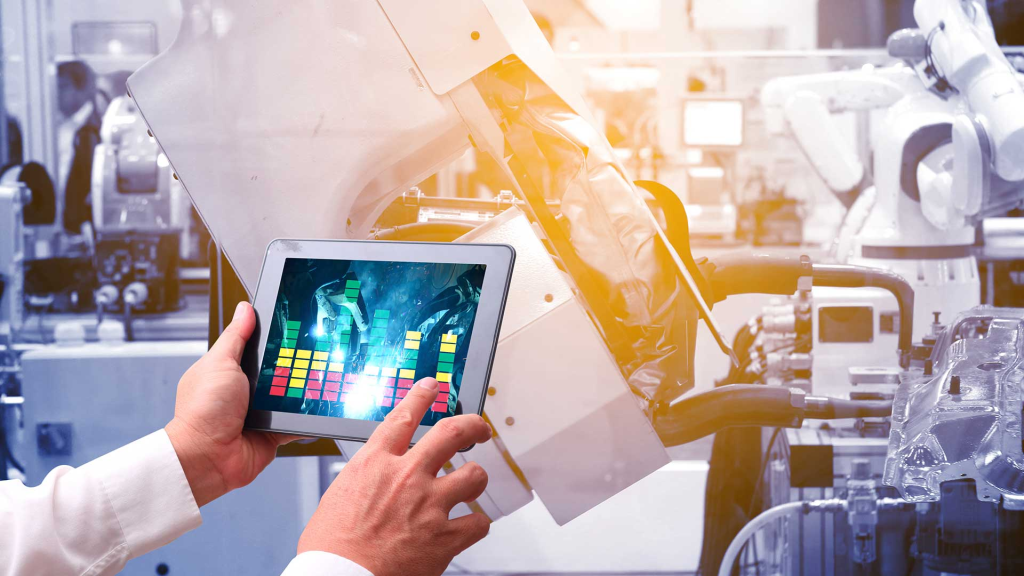
AI in Product Development: A Paradigm Shift
Embracing AI in product development is more than just adopting a new technology; it’s a paradigm shift that redefines the entire innovation process. AI, particularly in the context of new product development, involves the application of machine learning algorithms to analyze data, identify patterns, and extract valuable insights. This facilitates a data-driven approach to product ideation, ensuring that decisions are grounded in real-time market dynamics.
Benefits of AI in Product Development
1. Enhanced Creativity and Innovation
One of the primary benefits of integrating AI in product development is its ability to enhance creativity and innovation. AI algorithms can sift through vast datasets, identifying consumer preferences, market trends, and emerging patterns. This wealth of information serves as a wellspring of inspiration for product ideation, enabling teams to conceptualize products that not only meet current demands but also anticipate future needs.
2. Optimized Decision-Making
In the complex landscape of product development, decision-making is often fraught with uncertainties. AI mitigates this challenge by providing data-driven insights. By analyzing historical data and market trends, AI equips decision-makers with valuable information to make informed choices at every stage of product development. This optimization extends to areas such as feature prioritization, design choices, and even pricing strategies.
3. Accelerated Time-to-Market
Time-to-market is a critical factor in the success of any product. AI expedites the product development lifecycle by automating repetitive tasks and expediting processes. From rapid prototyping to streamlined testing, AI ensures that the journey from conceptualization to market-ready product is as efficient as possible. This acceleration not only keeps businesses competitive but also allows them to respond swiftly to evolving consumer needs.
4. Improved Customer Understanding
Understanding the target audience is paramount in developing successful products. AI tools analyze customer behavior, preferences, and feedback, providing a comprehensive understanding of consumer needs. This deep understanding allows for the creation of products that resonate with the audience, fostering brand loyalty and customer satisfaction.
Use of AI in Product Development: A Comprehensive Approach
The application of AI in product development is multifaceted, spanning various stages of the innovation process.
1. Ideation and Conceptualization:
AI-powered tools aid in brainstorming sessions by providing insights based on market trends and consumer preferences. This data-driven approach ensures that product ideas are not only innovative but also aligned with market demands.
2. Prototyping and Design:
AI contributes to the design phase by automating prototyping processes. Generative design algorithms, for instance, can explore numerous design possibilities based on specified parameters, expediting the creation of prototypes and minimizing manual efforts.
3. Testing and Quality Assurance:
Automated testing powered by AI ensures rigorous quality assurance. Machine learning algorithms can identify potential issues and vulnerabilities, enabling teams to address them before the product reaches the market. This not only improves product quality but also reduces the likelihood of post-launch issues.
4. Personalized User Experiences:
AI enables the development of products with personalized user experiences. From intuitive interfaces to adaptive features, AI tailors products to individual user preferences, enhancing overall user satisfaction and engagement.
The Future Landscape: AI as a Competitive Advantage
As businesses navigate an increasingly competitive landscape, those leveraging AI in product development gain a significant competitive advantage. The ability to innovate rapidly, make informed decisions, and create products tailored to consumer needs positions companies at the forefront of their industries.
Challenges and Considerations
While the benefits of AI in product development are immense, it’s essential to acknowledge and address challenges. These may include ethical considerations, data privacy concerns, and the need for skilled professionals capable of harnessing the full potential of AI technologies.
Conclusion: Embrace the AI Revolution
In conclusion, the integration of AI in product development is not just a trend; it’s a fundamental shift that defines the future of innovation. The benefits, ranging from enhanced creativity to accelerated time-to-market, underscore the transformative power of AI. As businesses adapt to this technological evolution, they position themselves not only to survive but to thrive in a rapidly changing marketplace. The era of AI in product development is here, and those who embrace it stand poised to shape the future of their industries.
 Tech blog
Leave a comment